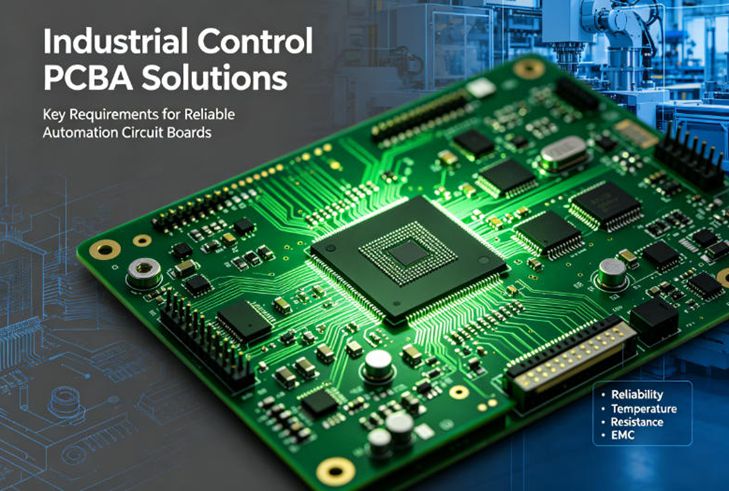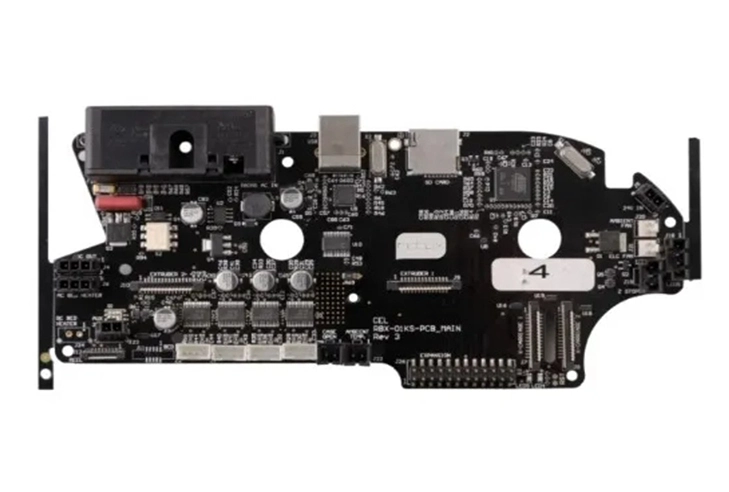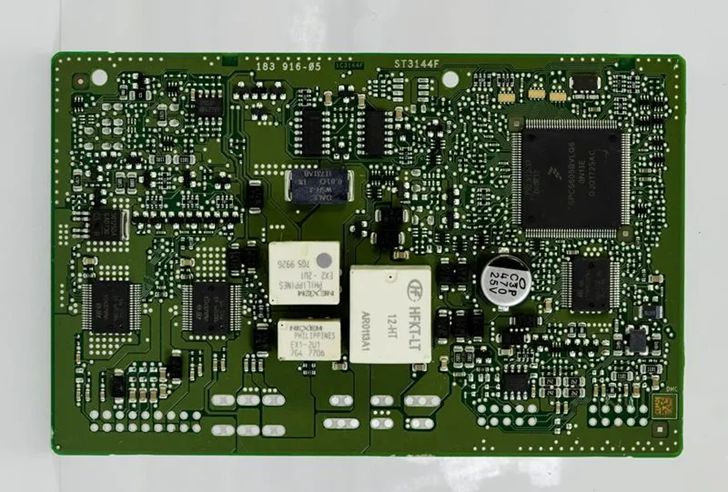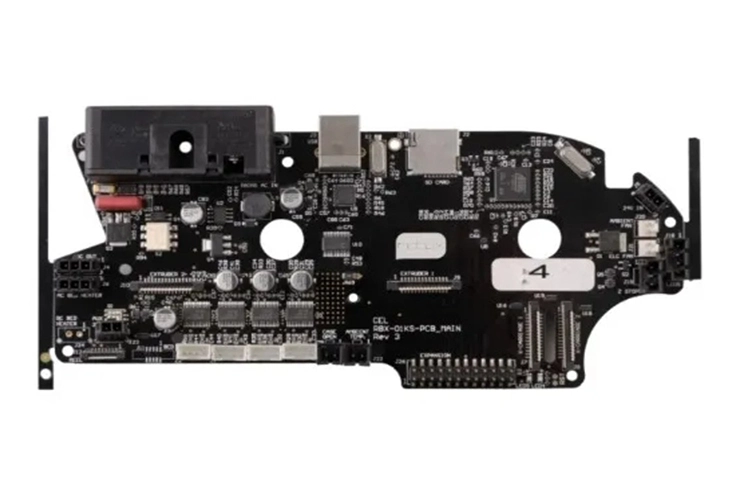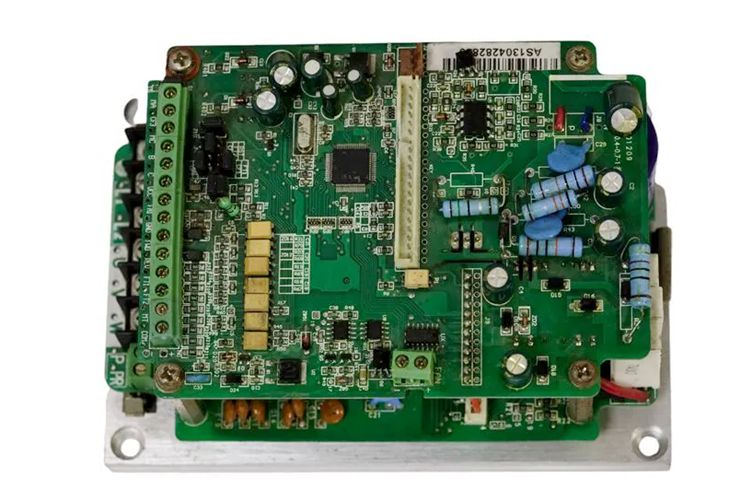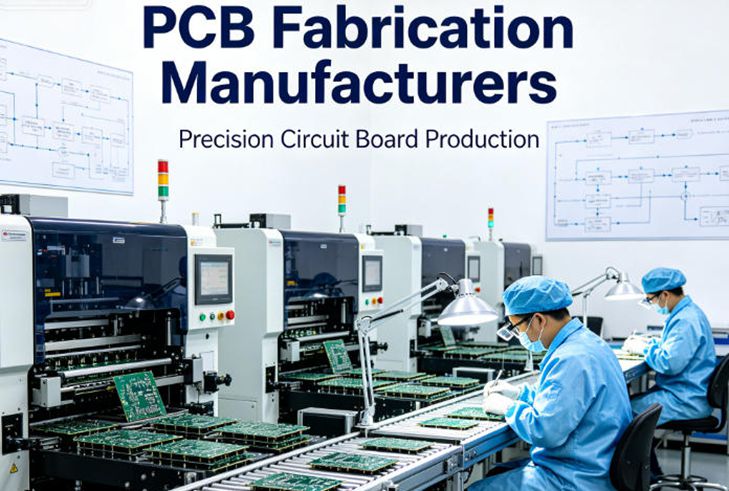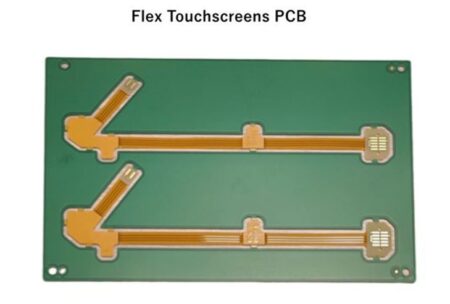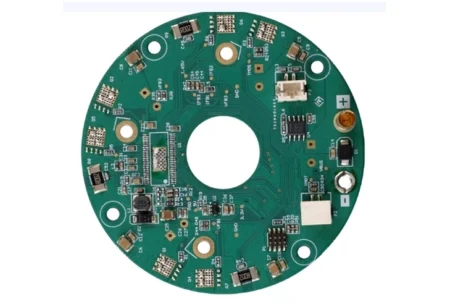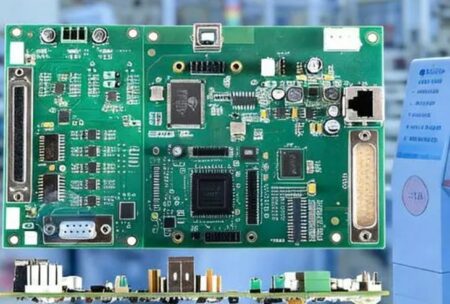
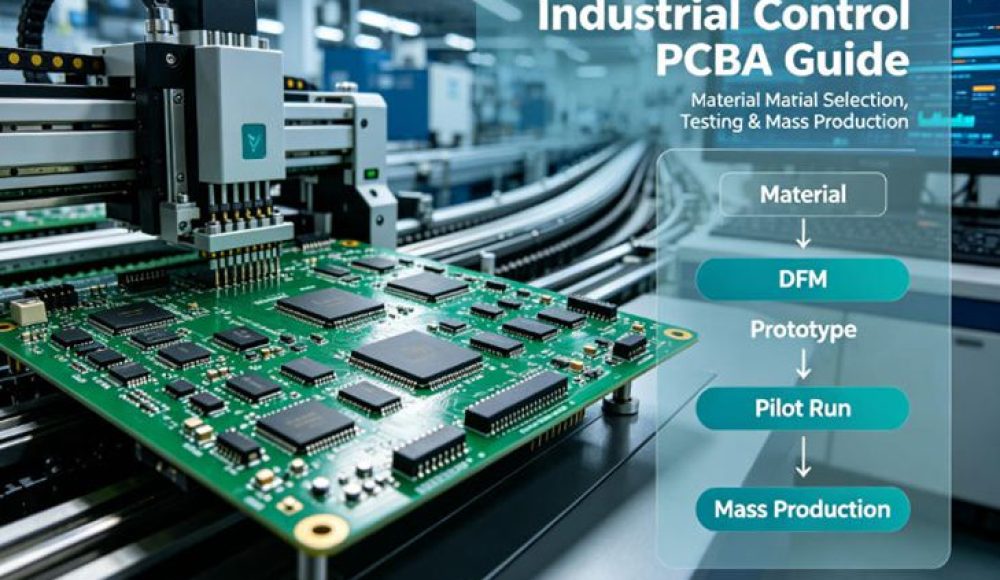
Industrial control PCBA serves as the core carrier of automation equipment. Material selection defines the hardware’s environmental tolerance; testing standards determine long-term reliability; standardized mass production ensures consistent quality across all units. Each stage needs careful planning, and mistakes in any link may lead to unstable performance after equipment deployment.
Material Selection for Industrial PCBA
Substrate selection starts with working temperature requirements. High Tg FR-4 is widely adopted for most industrial boards. For high-power control boards with severe heat generation, aluminum base PCB can be chosen to improve heat dissipation. Heavy copper materials are used for power circuits that carry large current.
Solder mask and surface finish also matter. Industrial boards often choose durable solder mask to resist chemical corrosion and abrasion. Surface finish options include ENIG, HASL and OSP. ENIG provides stable flat surface suitable for fine-pitch components and BGA packages, which is popular for industrial controllers.
Copper thickness needs matching current load. Under-sizing copper weight will cause overheating and burnout under continuous operation. Your PCB supplier should review your schematic current requirement and suggest proper copper thickness during DFM check.
Mandatory Testing Standards for Industrial Control PCBA
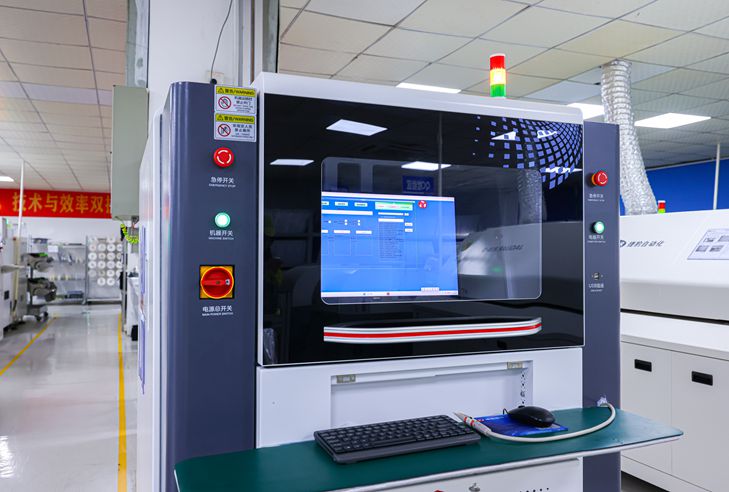
A complete testing workflow contains multiple layers. Visual inspection checks soldering appearance and component placement. ICT testing detects open/short circuits and passive component value deviation. X-ray inspection is used for BGA, QFN and other hidden solder joints. Functional testing powers up the whole board and verifies all signal interfaces.
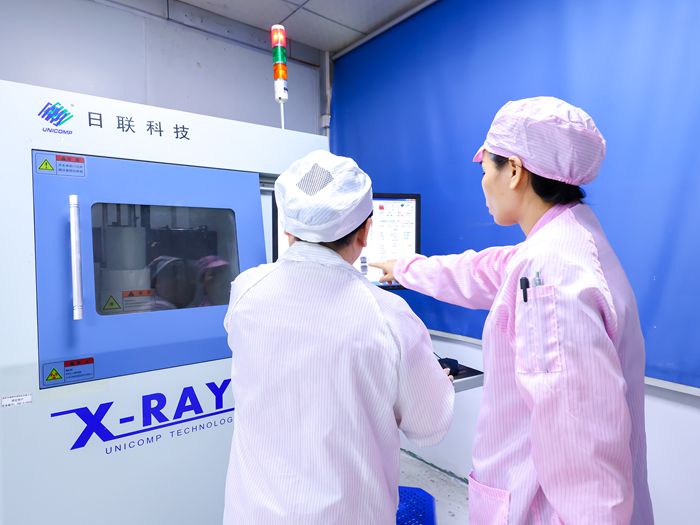
For products to be deployed in harsh factories, additional reliability tests can be performed: thermal cycling test, vibration test and humidity test. These screening tests expose potential weak points before mass shipment. Remember that test reports should be kept for quality traceability, which is essential for industrial equipment maintenance and audit.
Transition from Prototype to Stable Mass Production
Many hardware teams succeed in prototype testing but meet quality inconsistency after entering mass production. The root cause usually lies in unstable processes or material switching without notification.
Before mass production release, a pilot run is strongly recommended. Pilot batches help validate the full manufacturing workflow, adjust process parameters and confirm component supply stability. After pilot run approval, formal mass production can start. During mass production, quality teams should carry out periodic sampling inspection.
Ring PCB supports full-process industrial control PCBA manufacturing, from material recommendation, DFM analysis, prototype validation to pilot run and mass production. Our quality system strictly follows industrial requirements, and we provide full test documentation for each batch. We support SMT, THT assembly and component procurement to simplify your industrial hardware project management.
If you want to get advice on material selection or mass production planning for industrial control PCBA, send your BOM and Gerber files to rfq@ringpcb.com.