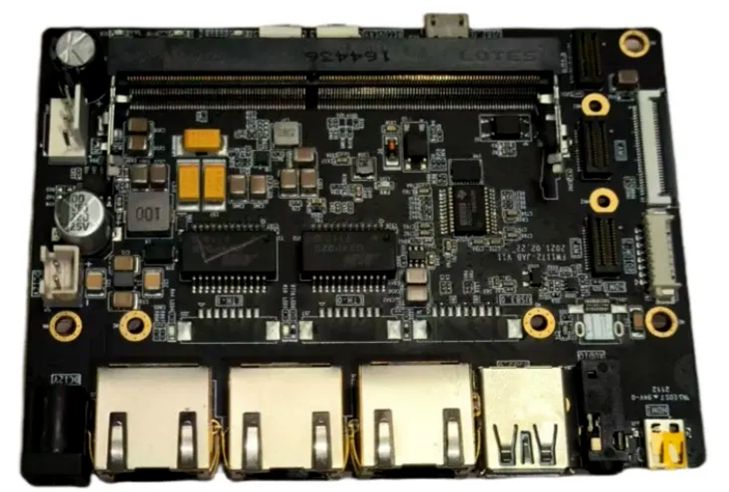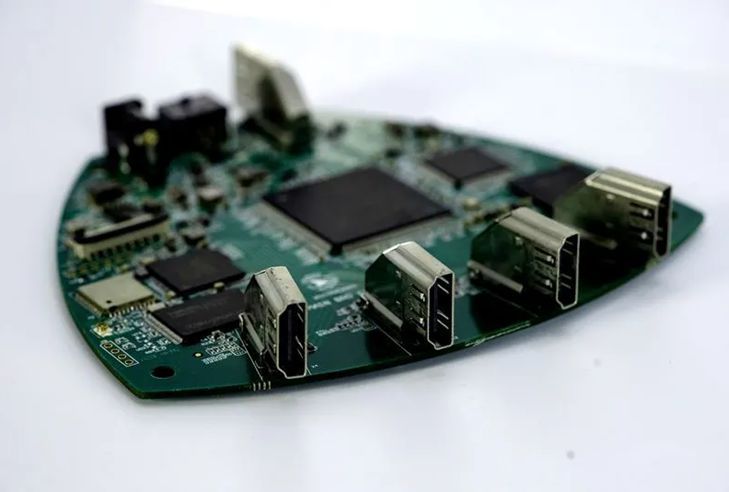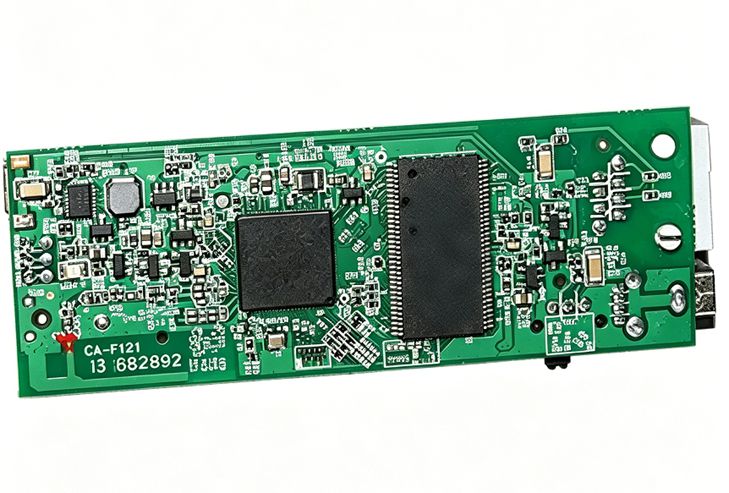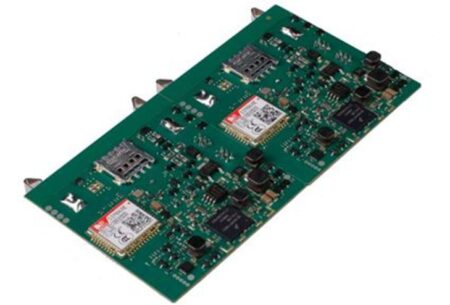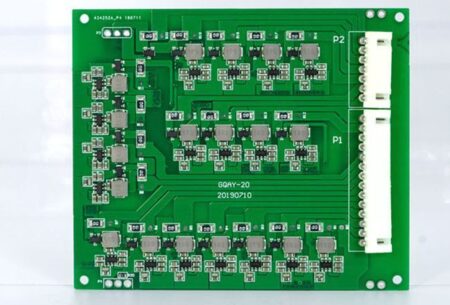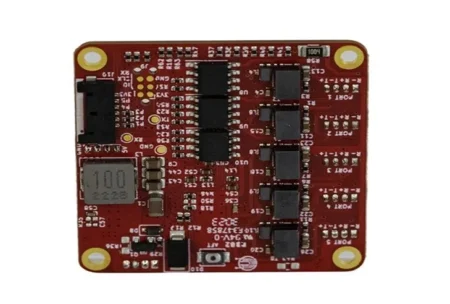
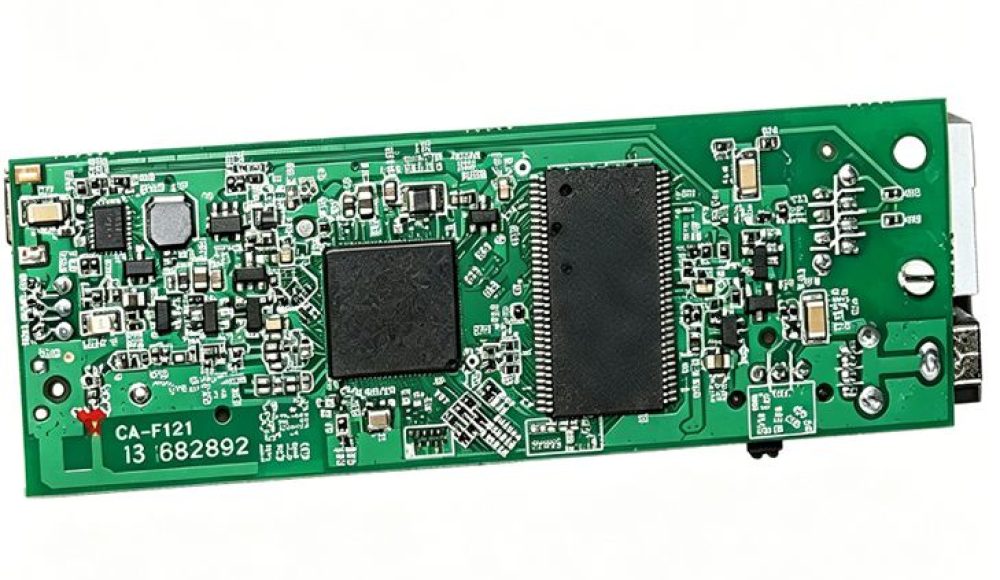
High frequency circuit board performance directly affects signal transmission, interference control, and reliability in communication equipment. If you manufacture routers, wireless access points, base stations, or IoT devices, you need more than a fabricated PCB. You also need accurate component placement, compatible materials, controlled soldering, and appropriate testing to support your design requirements.
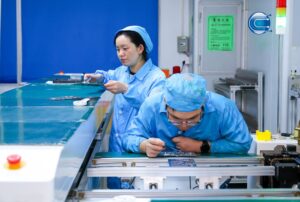
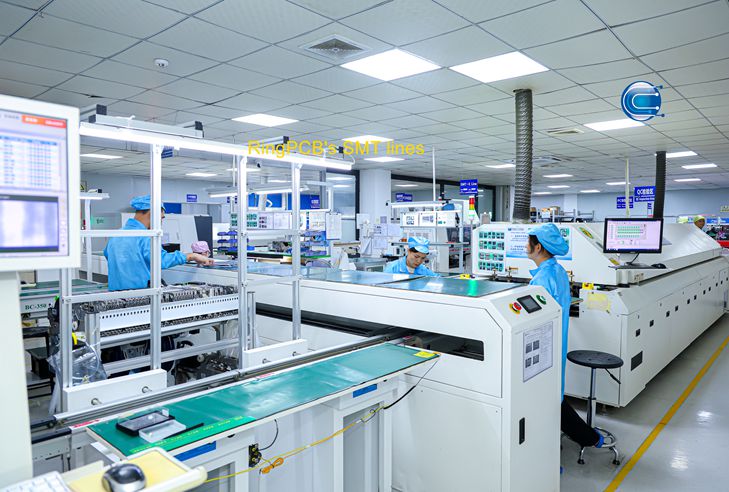
Ring PCB provides customized communication printed circuit board assembly (PCBA) with full-turnkey manufacturing services. Founded in 2008, the Shenzhen-based manufacturer integrates PCB fabrication, component sourcing, SMT and through-hole assembly, and testing. Its engineering team also offers Design for Manufacturability (DFM) optimization to identify production risks before manufacturing begins. By coordinating these processes, you can simplify supplier management and prepare your communication hardware for prototyping or volume production.
What Is a High Frequency Circuit Board?
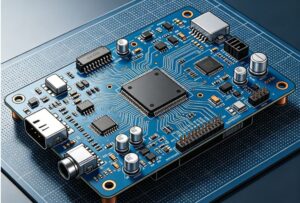
A high frequency circuit board supports electronic signals that operate at elevated frequencies. Engineers use these boards in communication systems where signal integrity, transmission loss, electromagnetic interference, and component layout require careful consideration.
Typical applications include:
- Wireless communication: Routers, wireless access points, and radio-frequency modules.
- Telecommunications infrastructure: Base stations and related communication equipment.
- Optical networking: Electronic assemblies used in high-speed data transmission systems.
- IoT devices: Connected equipment that relies on wireless communication and signal processing.
Although high-frequency PCB design and PCBA manufacturing are closely related, they address different challenges. PCB design establishes the electrical characteristics of the board, while assembly determines how components, solder joints, and connectors are integrated into the finished product.
Key Requirements for High Frequency Circuit Board Assembly
When selecting a high frequency circuit board manufacturer, evaluate the following factors against your engineering specifications.
1. Signal Integrity and Material Selection
High-frequency performance depends on factors such as dielectric properties, trace geometry, impedance control, and the selected PCB material. Standard FR-4 may suit some applications, while other designs require specialized low-loss laminates.
Before production, confirm the operating frequency, impedance requirements, stack-up, and material specifications with your manufacturer. Ring PCB provides engineering support and DFM review, helping identify potential fabrication or assembly issues before production.
2. Multilayer Construction and Precision Assembly
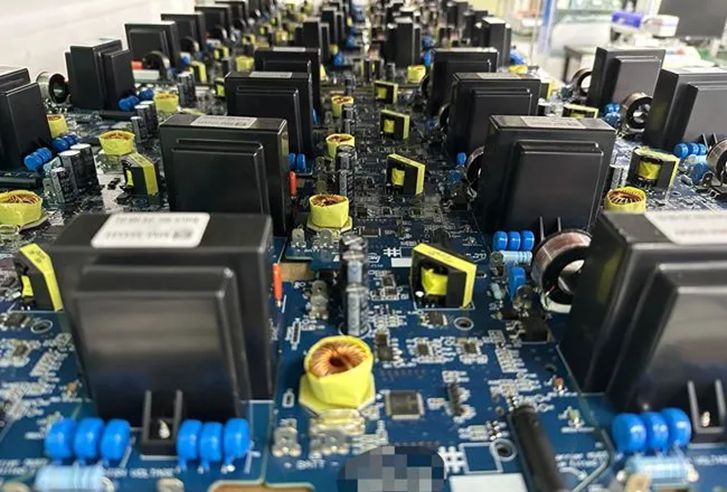
Communication devices often combine RF components, processors, connectors, and power circuits within limited space. A suitable multilayer design can help engineers manage routing density and separate functional sections.
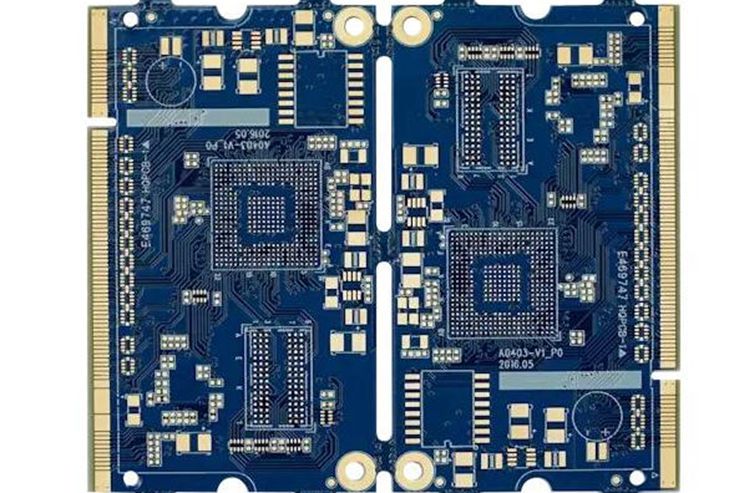
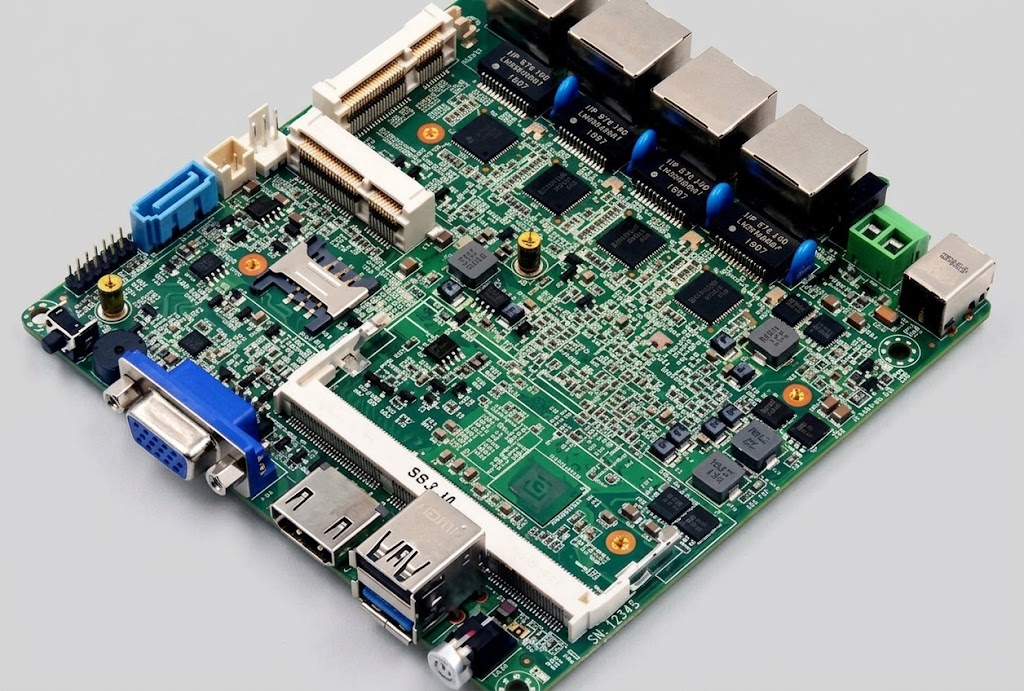
Ring PCB manufactures multilayer PCBs with up to 62 layers. For the featured communication PCBA, the reference specifications include 6–16 PCB layers, board thicknesses of 0.8–2.4 mm, and line width and spacing of 0.1–0.3 mm. These values are application-dependent reference parameters, not universal guarantees for every high-frequency design.
3. Inspection and Reliability Testing
Assembly defects can affect electrical performance and long-term reliability. Ring PCB uses manufacturing and inspection equipment that includes Automated Optical Inspection (AOI), X-ray inspection, and flying probe testing.
The appropriate inspection plan depends on your board structure, component package, production volume, and product requirements. Confirm which electrical, functional, and reliability tests your project needs before approving the manufacturing plan.
Full-Turnkey PCB Assembly vs. Separate Suppliers
A full-turnkey service combines multiple manufacturing stages under one supplier. However, the best option depends on your internal engineering resources, purchasing arrangements, and production requirements.
| Comparison factor | Full-turnkey PCB assembly | Separate suppliers |
|---|---|---|
| PCB fabrication | Coordinated with assembly | Managed independently |
| Component sourcing | Included in the service scope | Requires separate purchasing |
| Production coordination | One main supplier | Multiple parties must coordinate |
| Quality management | Integrated process oversight | Requires cross-supplier quality alignment |
| Project management | Consolidated communication | More supplier interfaces |
| Best suited for | Customers seeking an integrated workflow | Teams with established supplier networks |
For communication equipment manufacturers, turnkey production can reduce coordination work and simplify issue tracking. Nevertheless, you should compare quotations based on the same bill of materials (BOM), testing scope, component sourcing terms, and delivery requirements.
How to Order a Custom High Frequency Circuit Board
Follow these steps to prepare your project for quotation and manufacturing.
- Define your requirements. Provide the intended application, operating frequency, board dimensions, layer count, impedance targets, and operating environment.
- Submit design files. Send your Gerber files, BOM, pick-and-place files, assembly drawings, and relevant technical specifications to Ring PCB.
- Review DFM feedback. Work with the engineering team to assess manufacturability, component availability, and potential assembly risks.
- Confirm the quotation. Review the PCB material, stack-up, component sourcing, assembly process, testing scope, price, and lead time.
- Approve production and inspection. Confirm the manufacturing plan and acceptance criteria before authorizing the order.
- Evaluate the finished assembly. Review inspection and test results against your approved technical requirements before integrating the PCBA into your equipment.
Ring PCB lists a reference delivery time of 10–15 working days for the featured communication PCBA. Actual lead times depend on design complexity, component availability, order quantity, and testing requirements. The company also supports rapid PCB prototyping, with advertised turnaround times starting at three days for applicable projects.
Why Choose Ring PCB for Communication PCBA?
Ring PCB has operated since 2008 and reports a 10,000-square-meter manufacturing facility, a team of approximately 500 employees, and monthly bare-PCB production capacity of 50,000 square meters. Its stated capacity also includes handling up to 500 PCBA projects per month.
The company provides PCB fabrication, component sourcing, SMT and through-hole assembly, and testing within its full-turnkey service model. Its management systems and product-related certifications include ISO 9001, ISO 14001, ISO 13485, IATF 16949, and UL certification. Confirm the applicable certificate scope for your specific project.
For buyers, these capabilities provide a basis for evaluating production capacity, supplier coordination, and quality management. You should still verify material compatibility, electrical performance requirements, and inspection coverage for your particular high-frequency application.
FAQ
1. What information is needed for a high frequency circuit board quotation?
Prepare your Gerber files, BOM, layer stack-up, impedance requirements, operating frequency, board thickness, assembly drawings, and expected order quantity. Additional testing or certification requirements should also be specified.
2. Can Ring PCB provide complete communication PCBA assembly?
Yes. Ring PCB offers full-turnkey services covering PCB fabrication, component sourcing, SMT and through-hole assembly, and testing. The exact scope should be confirmed in the project quotation.
3. How long does communication PCBA manufacturing take?
The featured product lists a delivery time of 10–15 working days. Prototyping may be available from three days for suitable projects, but you should confirm the schedule based on design complexity, material availability, production volume, and inspection requirements.
Conclusion
Choosing a high frequency circuit board supplier requires careful evaluation of electrical design requirements, PCB materials, assembly precision, and quality controls. Ring PCB combines communication PCBA manufacturing with full-turnkey services, multilayer PCB capabilities, engineering support, and inspection equipment to support customized communication hardware projects. By confirming your technical specifications and testing requirements before production, you can make a more informed sourcing decision and reduce avoidable manufacturing risks.
Request a Technical Review and Quotation
Send your Gerber files, BOM, operating frequency, impedance requirements, and target delivery date to rfq@ringpcb.com. Ring PCB engineering team can review your project requirements and help determine a suitable fabrication, assembly, and testing plan. You can also visit the Ring PCB communication PCBA product page to submit an enquiry.