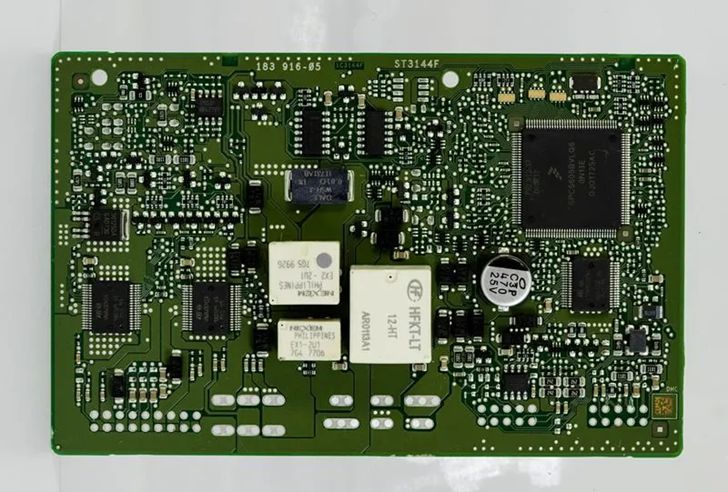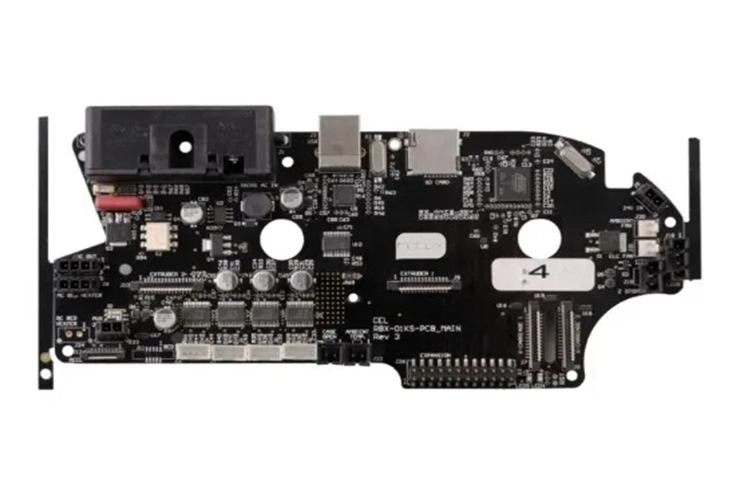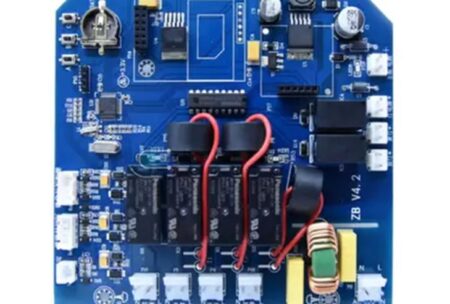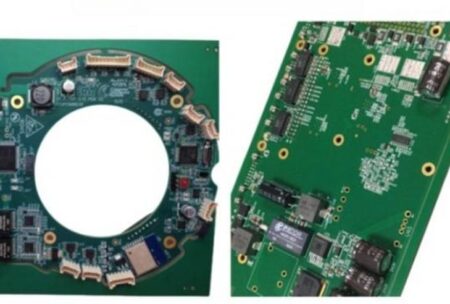
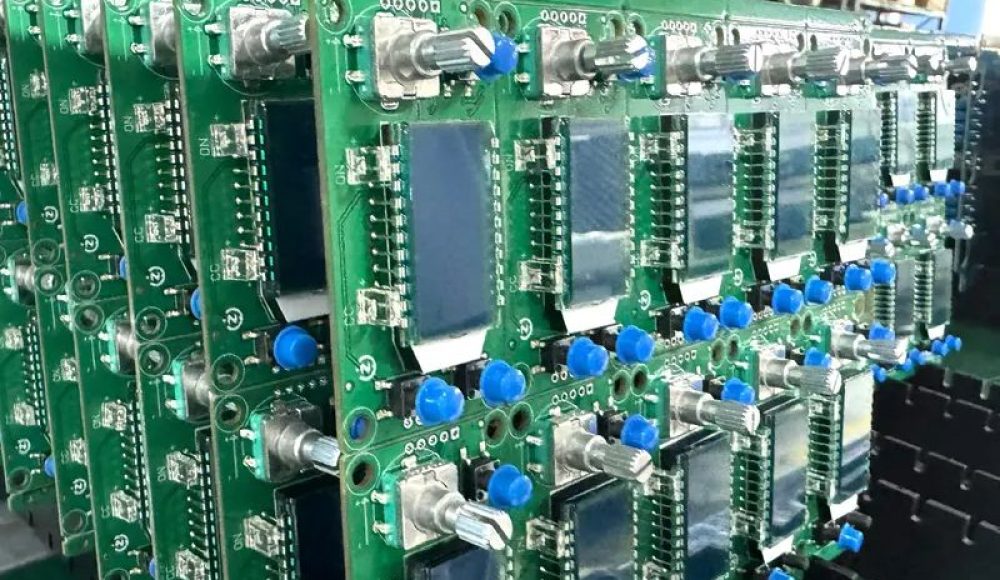
FR-4 is one of the most widely used base materials in printed circuit board manufacturing. Its combination of electrical insulation, mechanical strength, processability and cost makes it suitable for a broad range of electronic products, including industrial control equipment.
However, selecting FR-4 for an industrial control PCBA is not simply a matter of choosing a standard laminate. Industrial electronics may operate continuously, handle switching loads and experience temperature changes, electrical noise and mechanical vibration. The PCB material, layer structure, copper design and assembly process must work together to support the product’s operating requirements.
For OEMs, understanding these factors helps reduce manufacturing risks and improve the consistency of PCB and PCBA production.
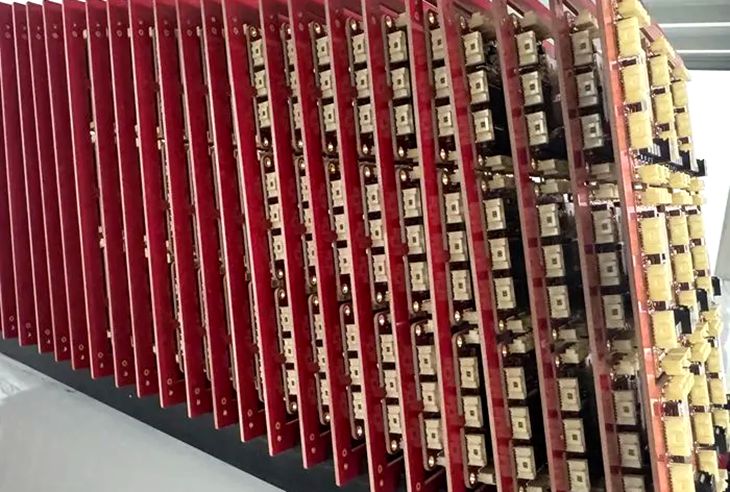
1. Why FR-4 Is Widely Used in Industrial Control Electronics
FR-4 generally refers to a flame-retardant glass-fiber-reinforced epoxy laminate. It provides a practical balance of electrical, mechanical and thermal properties for many conventional PCB applications.
Industrial control products using FR-4 may include:
- Programmable logic controller (PLC) boards
- Industrial power supply and control boards
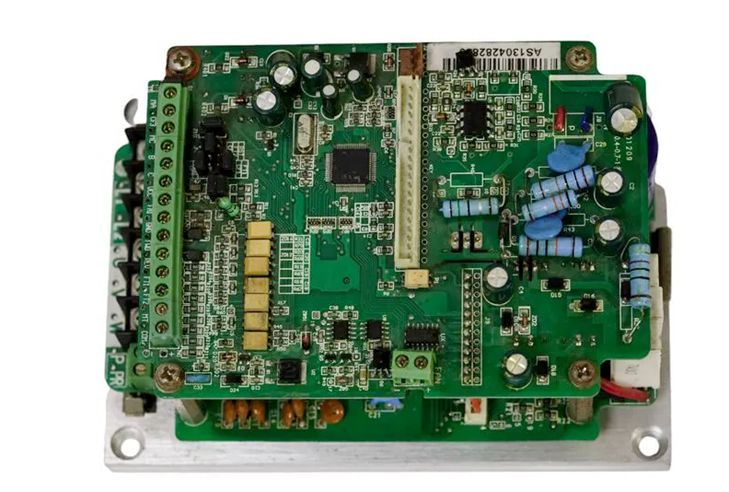
- Motor control and drive electronics
- Sensor interface and signal conditioning boards
- Factory automation and equipment control modules
- Communication and monitoring boards
Its advantages include broad manufacturing availability, established processing methods and compatibility with common PCB fabrication and assembly processes. For many industrial applications, standard or appropriately specified FR-4 can meet the required performance without the additional cost of specialized high-frequency materials.
Nevertheless, not all FR-4 laminates have identical properties. Resin systems, glass styles, thermal characteristics and electrical performance can vary between material grades and manufacturers. OEMs should therefore specify material requirements according to the actual application rather than relying on the general term “FR-4” alone.
2. Understand Tg and Thermal Performance
One important consideration when selecting FR-4 is its glass transition temperature, commonly referred to as Tg.
Tg describes the temperature range at which the resin system changes from a relatively rigid glassy state to a softer state. As the material approaches and exceeds this transition, its mechanical and dimensional behavior changes.
Why does this matter for industrial control PCBs?
During operation, power components, switching devices and other heat-generating elements can raise local board temperatures. Repeated heating and cooling can also create mechanical stress within the PCB structure, especially around plated through-holes and multilayer connections.
A suitable material should be selected with consideration for:
- Maximum expected operating temperature
- Assembly and soldering temperature exposure
- Number and severity of thermal cycles
- Board thickness and layer count
- Copper distribution and thermal conditions
- Expected product service life
Higher-Tg FR-4 may be appropriate when the board is exposed to demanding thermal conditions or repeated lead-free assembly processes. However, choosing a higher Tg value does not automatically guarantee a more reliable product. The complete laminate properties, coefficient of thermal expansion (CTE), decomposition temperature, moisture behavior and fabrication process also matter.
OEMs should discuss the required material grade and relevant specifications with the PCB manufacturer before production.
3. Consider CTE and Multilayer PCB Reliability
The coefficient of thermal expansion describes how much a material changes dimension as temperature changes. In PCB manufacturing, the expansion behavior of the laminate is particularly important in the Z-axis, which is the direction through the board thickness.
Copper-plated through-holes connect different PCB layers. During thermal exposure, the laminate and copper may expand at different rates. Repeated expansion and contraction can place stress on the plated copper barrel.
This is especially relevant to multilayer industrial control boards, where the number of layers, board thickness, hole structure and thermal conditions can affect reliability.
When evaluating a multilayer FR-4 PCB, consider:
Layer count and board thickness: More layers can increase construction complexity. The stackup should be appropriate for the electrical design and mechanical requirements.
Plated through-hole design: Hole diameter, aspect ratio, copper plating and drilling quality influence interconnection reliability.
Copper distribution: Uneven copper distribution can contribute to warpage or dimensional variation during manufacturing.
Material compatibility: Laminate, prepreg and copper foil selections should be compatible with the intended stackup and fabrication process.
For industrial products expected to operate over long periods, these manufacturing details deserve attention before the first production order.
4. Manage Heat Through PCB and Component Planning
FR-4 is not a substitute for a complete thermal management strategy. The board material must work alongside component placement, copper design and the product enclosure.
For industrial control PCBA, heat may come from power semiconductors, voltage regulators, transformers, resistors and switching components. Concentrating several heat-generating devices in a small area can create local hot spots.
A practical review should consider:
- Current requirements and copper thickness
- Width of power traces and copper planes
- Placement of heat-generating components
- Thermal vias and copper areas where appropriate
- Clearance between hot components and temperature-sensitive parts
- Airflow and heat dissipation within the enclosure
The assembly process also matters. Soldering profiles should be appropriate for the PCB construction and component specifications. Excessive or poorly controlled thermal exposure can affect solder joints and materials.
For products with high power density or unusually demanding thermal conditions, the OEM may need to evaluate alternative laminate systems, metal-core constructions or other thermal solutions. These choices should be based on the actual product requirements.
5. FR-4 Selection Must Match Electrical Requirements
Industrial control boards often combine digital logic, analog sensing, communication interfaces and power circuits. Although FR-4 is suitable for many conventional designs, electrical requirements still need to be considered.
For example, high-speed communication signals may require attention to dielectric properties, impedance control, routing geometry and stackup consistency. Sensitive analog signals may need suitable separation from switching power circuits and noise sources.
When controlled impedance is required, the manufacturer needs the relevant design information and material assumptions to evaluate the specified stackup and fabrication tolerances.
For standard low- and moderate-speed control applications, a conventional FR-4 construction may be sufficient. For higher-frequency or more demanding signal-integrity requirements, the OEM should confirm whether the selected FR-4 grade is suitable.
6. Manufacturing Considerations: From Bare PCB to PCBA
Material selection is only one part of the manufacturing process. The finished board must also meet the requirements of PCB fabrication and component assembly.
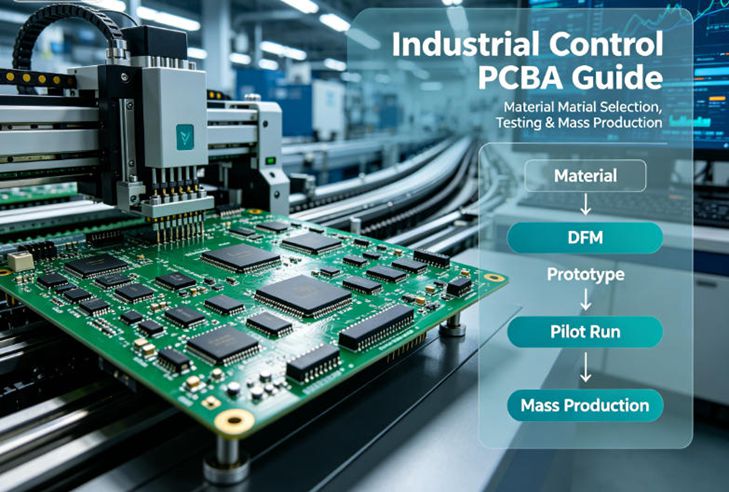
A typical manufacturing workflow includes:
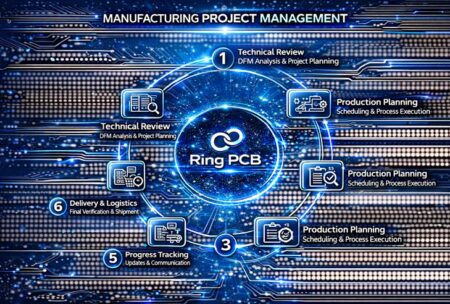
- Manufacturing file review: Gerber files and technical specifications are checked for the required PCB construction and production details.
- PCB fabrication: Inner-layer processing, lamination, drilling, plating, pattern formation, solder mask and surface finishing are completed according to the specified construction.
- Incoming PCB inspection: The fabricated boards are checked against relevant dimensions and quality requirements.
- Component sourcing: BOM information is used to coordinate component procurement and availability.
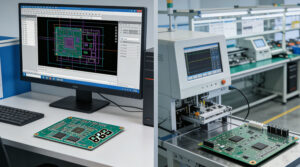
- SMT and through-hole assembly: Components are mounted and soldered using processes appropriate to the assembly.
- Inspection and verification: Inspection methods are selected according to the assembly structure and agreed quality requirements.
This coordination between PCB fabrication and PCBA assembly is important. A material or construction issue identified early is generally easier to address than a problem discovered after components have been assembled.
7. Planning for Material Availability and Long-Term Production
Material availability is another consideration for OEMs. Electronics supply chains are affected by changing demand, production capacity and sourcing conditions. Atradius’ August 2026 electronics and ICT outlook identifies strong electronics demand, driven in part by AI infrastructure and industrial automation, while also highlighting memory-chip supply constraints.
Although this does not mean every FR-4 grade is in shortage, it reinforces the importance of confirming material specifications, availability and procurement schedules early.
For industrial products with long service lives, buyers should also keep material specifications and PCB revisions consistent across repeat orders. Any proposed material substitution should be reviewed and approved before implementation.
FR-4 Industrial Control PCBA Manufacturing with Ring PCB
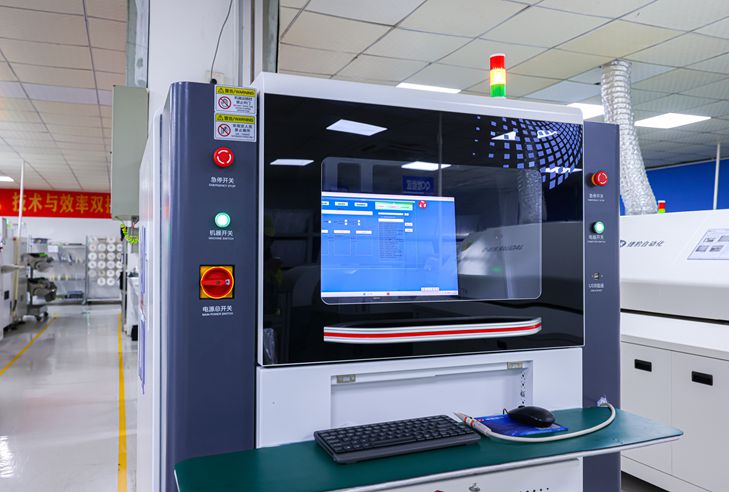
Ring PCB provides PCB fabrication and PCBA manufacturing services for industrial and other electronic applications. Its capabilities include multilayer PCB production, component sourcing, SMT assembly, through-hole assembly and production quality inspection.
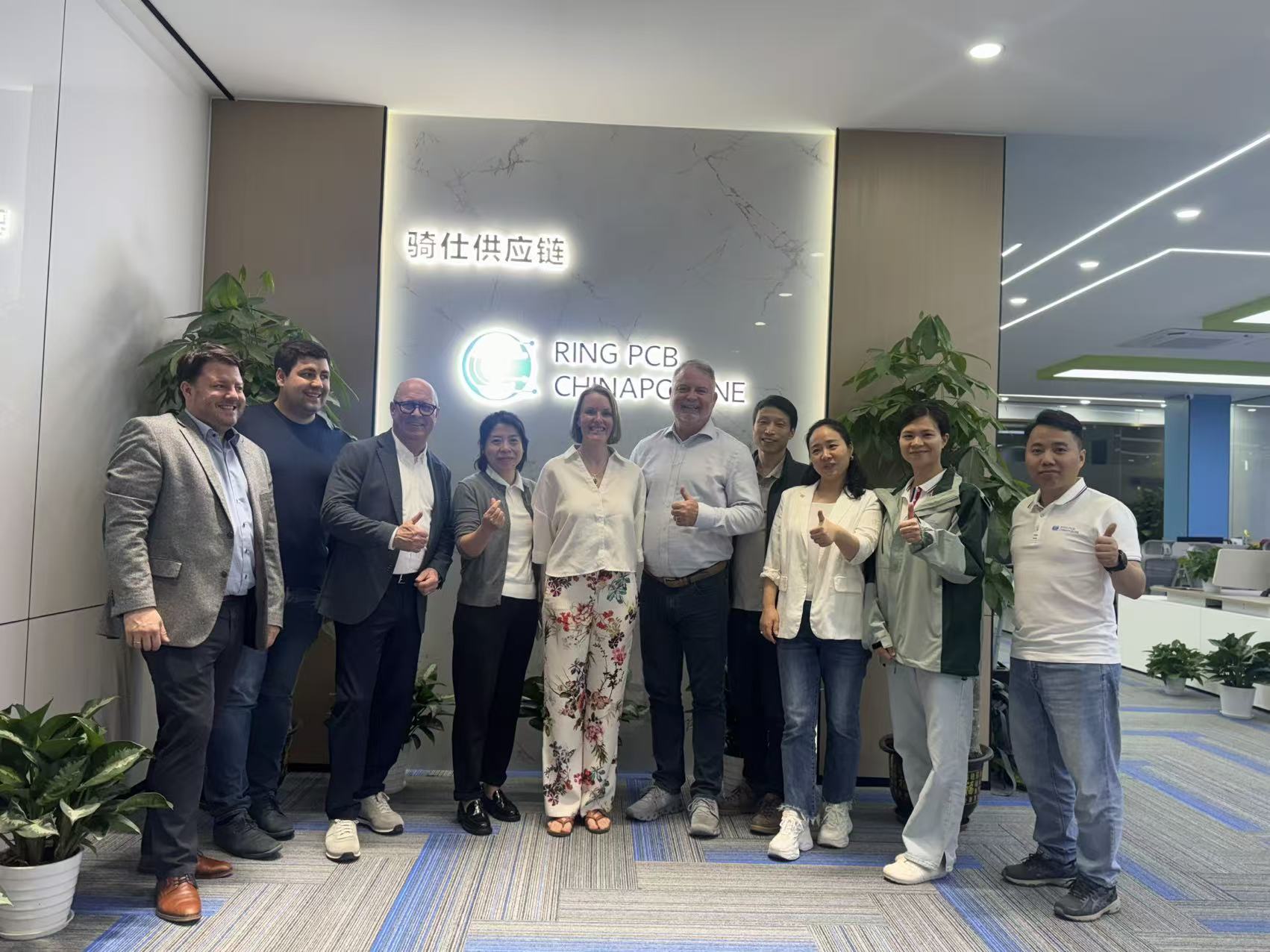
Operating from a 10,000-square-meter company-owned factory, Ring PCB can manufacture multilayer PCBs with up to 62 layers. Advanced first article inspection equipment supports production verification. For suitable projects, PCB prototypes may be available in as little as 72 hours. Actual lead times depend on board construction, technical requirements, material availability and order quantity.
Customers planning an FR-4 industrial control PCBA project can provide Gerber files, BOM data and relevant technical specifications for manufacturing review and project communication.
For your PCB and PCBA manufacturing requirements, contact Ring PCB at rfq@ringpcb.com.
References and Further Reading:
- IPC — Technical resources on PCB base material properties and thermal expansion
- Atradius — Industry Trends Electronics/ICT, August 2026
- Ring PCB — PCB and PCBA Manufacturing Capabilities