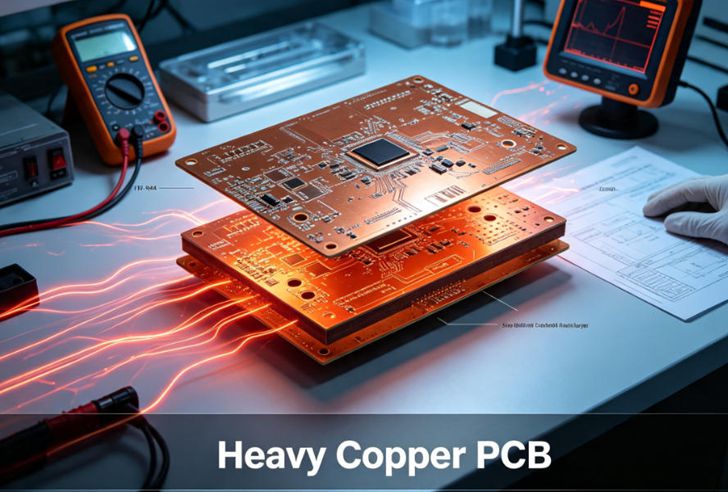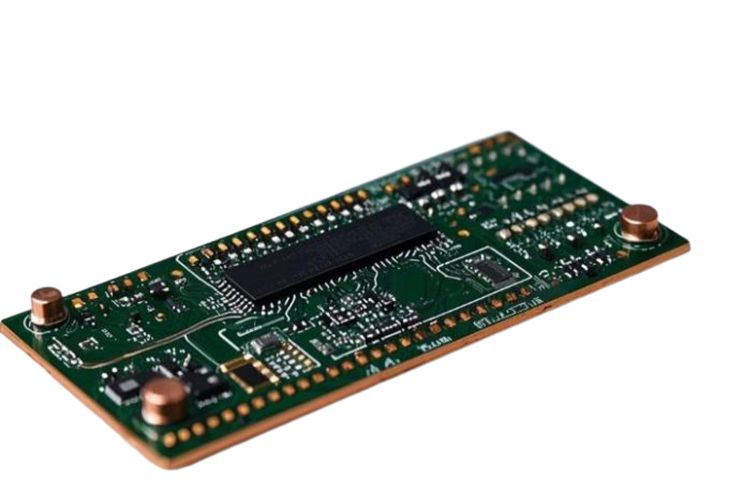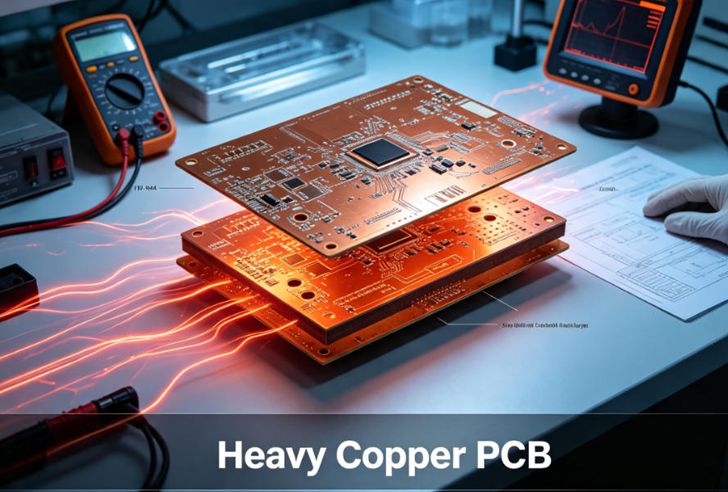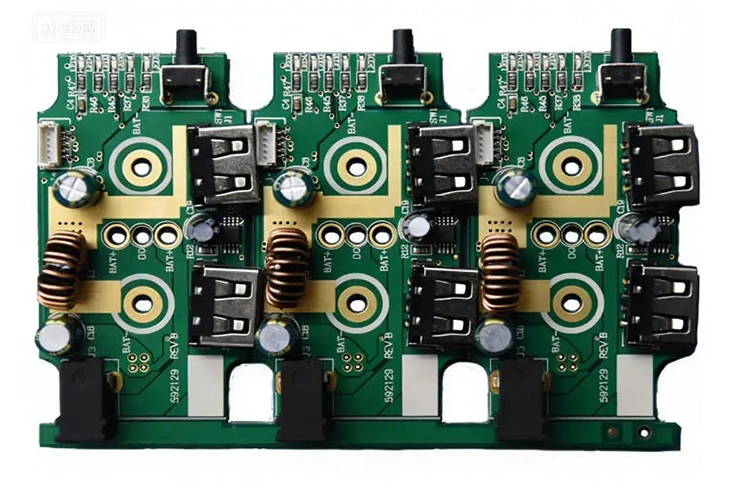
Selecting a Heavy Copper PCB Manufacturer is an important decision for OEMs developing power supplies, motor drives, battery systems, industrial controllers, and other high-current electronic products. Unlike standard PCB production, heavy copper manufacturing requires close coordination between copper thickness, conductor geometry, etching, plating, lamination, and thermal performance.
A supplier may advertise heavy copper capability, but that does not automatically mean it can manufacture every copper weight, layer structure, trace spacing, and board thickness combination. Buyers need to understand the manufacturer’s actual process window and determine whether it matches their project requirements.
This article outlines nine practical questions procurement and engineering teams should ask before selecting a heavy copper PCB supplier.
1. What Copper Weights Can the Manufacturer Actually Support?
The first question is whether the supplier can manufacture the specified copper thickness on the required layers.
In common industry terminology, heavy copper generally refers to copper weights of 3 oz/ft² or more, although individual manufacturers may define their service ranges differently. One ounce of copper is approximately 35 μm thick, so 3 oz is approximately 105 μm before considering the effects of the manufacturing process.
However, advertised maximum copper weight should not be treated as a universal capability.
A manufacturer may support a particular copper weight only under specific conditions, such as a certain board thickness, minimum spacing, layer arrangement, or production quantity.
Ask the supplier to clarify:
- Available starting copper weights
- Finished copper thickness range
- Maximum copper weight for inner and outer layers
- Whether different copper weights can be combined in one stackup
- Applicable board thickness and dimensional limits
- Whether special processing or engineering review is required
The key is to confirm the complete construction rather than relying on a single maximum-capability number.
2. Can the Supplier Maintain the Required Trace Width and Spacing?
Heavy copper manufacturing creates a trade-off between conductor thickness and routing density.
As copper becomes thicker, etching becomes more demanding. The manufacturer must remove unwanted copper while maintaining the required conductor width and spacing. This can make fine-line patterns more difficult to reproduce consistently.
For example, a power board with wide conductors and generous spacing may be relatively straightforward compared with a dense multilayer board that combines heavy copper power layers and fine signal routing.
This is why buyers should provide the actual trace width, spacing, and copper weight for each layer when requesting a quotation.
A useful supplier discussion should cover:
- Minimum trace width and spacing for the specified copper weight
- Expected etching tolerance
- Conductor profile and finished dimensions
- Whether the requested geometry requires special process review
- Any design adjustments that could improve manufacturing yield
Do not assume that a manufacturer’s minimum spacing for standard 1 oz copper also applies to 4 oz or 6 oz constructions.
3. How Does the Manufacturer Control Etching and Plating?
Etching and plating are two important processes in heavy copper PCB production.
During etching, unwanted copper is removed to create the required circuit pattern. With thicker copper, the process must be carefully controlled to avoid excessive loss of conductor width or insufficient removal of unwanted copper.
Copper plating also influences finished conductor thickness and plated-hole structures. The process must be suitable for the board’s layer construction and hole requirements.
When evaluating a manufacturer, ask how it manages:
- Etching consistency across the production panel
- Finished conductor width and spacing
- Copper thickness control
- Plated through-hole requirements
- Drill and plating compatibility
- Process inspection and corrective action
The supplier should be able to explain how these factors are addressed for the specific copper construction being quoted.
4. Does the Manufacturer Understand High-Current and Thermal Requirements?
A heavy copper board is usually selected to address electrical or thermal requirements. Therefore, the manufacturer should understand the specifications that influence the finished construction.
The relationship between copper thickness and current capacity is important, but current capacity also depends on trace width, conductor length, allowable temperature rise, board structure, and surrounding thermal conditions.
IPC-2152 is a widely referenced industry standard for determining current-carrying capacity in printed board designs. It provides a more comprehensive basis for evaluating conductor current and temperature rise than relying on copper weight alone.
Buyers should provide the manufacturer with relevant design requirements, including:
- Expected continuous and peak current
- Conductor dimensions
- Maximum allowable temperature rise
- Internal or external copper layer location
- Operating temperature range
- Cooling and airflow conditions, where relevant
It is also important to distinguish between PCB fabrication and system-level thermal validation. A board manufacturer can manufacture to the agreed copper and dimensional specifications, but the complete product’s thermal performance depends on the components, enclosure, heatsink, airflow, and operating conditions.
5. Can the Supplier Support the Required Multilayer Construction?
Some power electronics projects use multiple copper layers to distribute current, separate signal and power circuits, or manage grounding requirements.
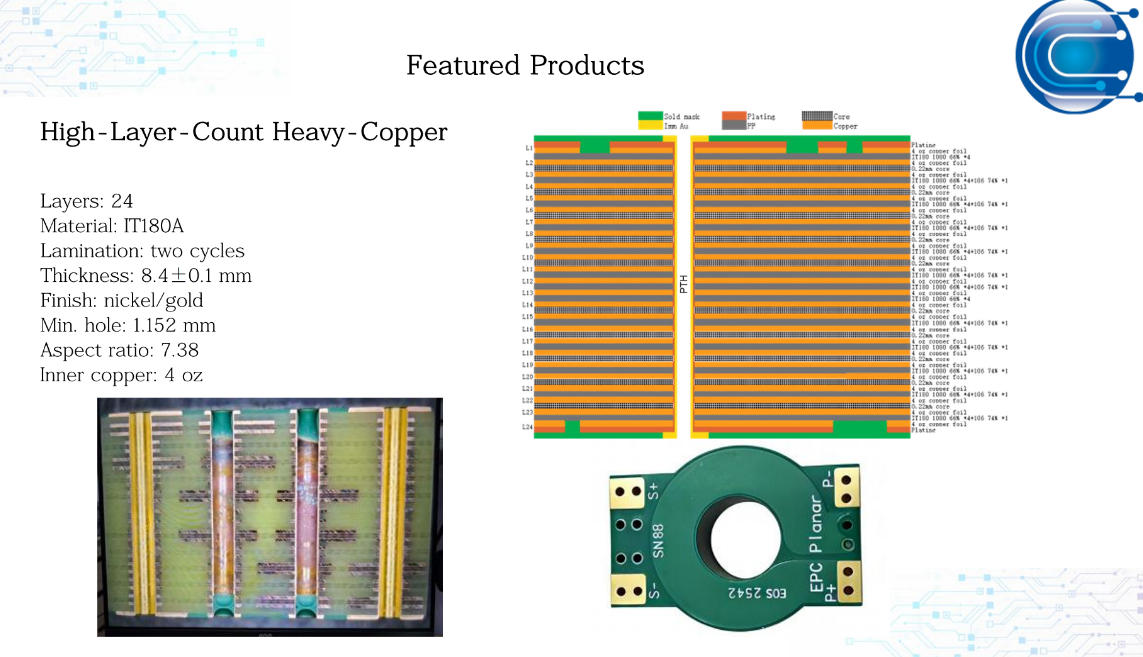
In these cases, the manufacturer must review more than the copper weight on each individual layer. The complete stackup affects lamination, resin flow, board thickness, dimensional stability, and manufacturing yield.
Different copper weights within one board may also require careful process planning. For example, a construction with heavy copper power layers and thinner signal layers may need a different manufacturing approach from a board using the same copper weight throughout.
Ask whether the supplier can review the proposed stackup and confirm:
- Layer count and finished board thickness
- Copper distribution and layer arrangement
- Prepreg and core material compatibility
- Lamination requirements
- Drill sizes and aspect ratios
- Dimensional and registration tolerances
A supplier should identify construction-related concerns before production rather than waiting until manufacturing has started.
6. What Quality Inspection and Testing Are Included?
Quality assurance is particularly important for power electronics because manufacturing defects can affect current paths, electrical connections, and long-term product reliability.
However, buyers should distinguish between standard manufacturing inspection and application-specific validation.
Depending on the project, the inspection scope may include visual inspection, dimensional checks, electrical continuity and isolation testing, plated-hole evaluation, and other agreed verification methods.
For products exposed to thermal cycling, vibration, or demanding operating conditions, additional qualification tests may be necessary. These should be specified according to the product’s actual requirements.
When comparing suppliers, ask:
- What inspections are included in the standard production process?
- Are finished copper thickness and critical dimensions verified?
- What electrical testing is available?
- Can additional reliability tests be arranged if required?
- How are nonconforming boards identified and managed?
- What documentation is supplied with the order?
A clear inspection agreement helps avoid different expectations between procurement, engineering, and the manufacturer.
7. How Does the Supplier Manage Cost and Production Yield?
Heavy copper PCB quotations can vary significantly because the requested construction may affect manufacturing complexity and yield.
The cost is influenced by several factors:
- Copper weight and material requirements
- Number of layers and board dimensions
- Trace width and spacing
- Etching and plating process requirements
- Drilling and plated-hole specifications
- Lamination complexity
- Panel utilization and production quantity
- Inspection and testing scope
The lowest quotation is not necessarily the most competitive option. If a supplier quotes a construction close to its process limits, production yield and repeatability may become concerns.
Buyers should ask suppliers to identify which specifications are driving the quotation. If a particular trace spacing or copper weight significantly increases cost, the engineering team can evaluate whether an alternative construction would meet the electrical requirements with better manufacturability.
For repeat production, stable process conditions and consistent material sourcing are also important. A quotation should be evaluated in the context of the supplier’s ability to maintain the same requirements across future orders.
8. Can the Manufacturer Support Prototype and Mass Production?
Prototype production is an important opportunity to verify whether the proposed heavy copper construction can be manufactured as expected.
However, prototype capability and mass-production capability are not always identical. A supplier may be able to produce a small quantity through special processing, but repeat production may require a different cost structure or production schedule.
Before choosing a supplier, confirm:
- Prototype lead time and production conditions
- Material availability
- Tooling or engineering charges
- Expected mass-production lead time
- Repeat-order consistency
- Capacity planning for forecast demand
- Procedures for handling engineering changes
For OEMs with long product lifecycles, it is particularly important to establish how material changes and manufacturing deviations will be communicated and approved.
9. Does the Supplier Communicate Clearly Before Order Confirmation?
Manufacturing communication is often overlooked during supplier selection, yet it can have a major influence on project schedules.
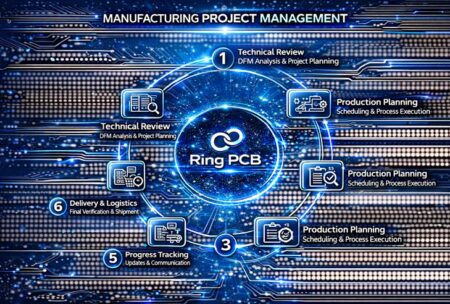
A reliable supplier should review the customer-provided manufacturing data and technical requirements, identify unclear specifications, and communicate any process concerns before accepting the order.
For heavy copper projects, important information includes Gerber files, layer stackup, copper weight per layer, board thickness, trace geometry, drill information, surface finish, and relevant assembly requirements.
If some specifications are missing, the manufacturer should request clarification rather than making assumptions. If an alternative construction is proposed, the buyer should review and approve it before production.
This approach helps reduce quotation revisions, unexpected process limitations, and avoidable production delays.
A Practical Supplier Evaluation Checklist
Before placing an order, OEM procurement and engineering teams can use the following checklist:
| Evaluation area | What to confirm |
|---|---|
| Copper capability | Actual copper weight and finished thickness range |
| Etching | Trace width, spacing, and process tolerance |
| Plating | Copper deposition and plated-hole requirements |
| Stackup | Layer count, board thickness, and material compatibility |
| Thermal requirements | Current, temperature rise, and application conditions |
| Quality | Inspection scope, electrical testing, and acceptance criteria |
| Cost | Main cost drivers and possible design alternatives |
| Delivery | Prototype, production, and repeat-order lead times |
| Communication | Technical review and engineering change procedures |
A supplier that can answer these questions clearly is better positioned to support an informed purchasing decision.
Working with Ring PCB
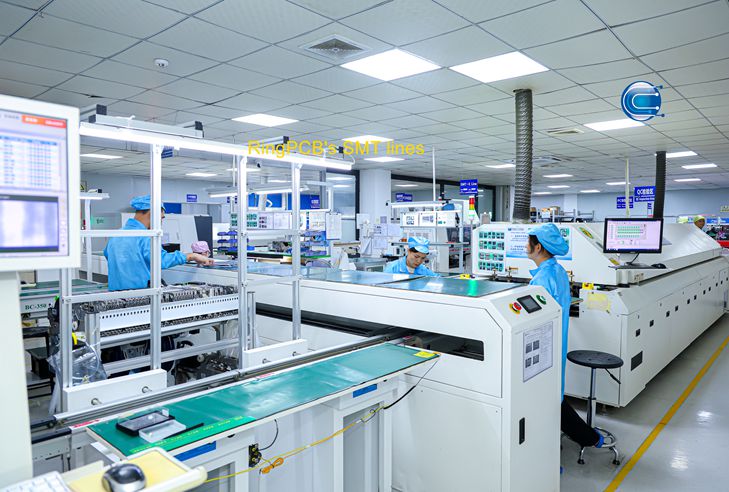
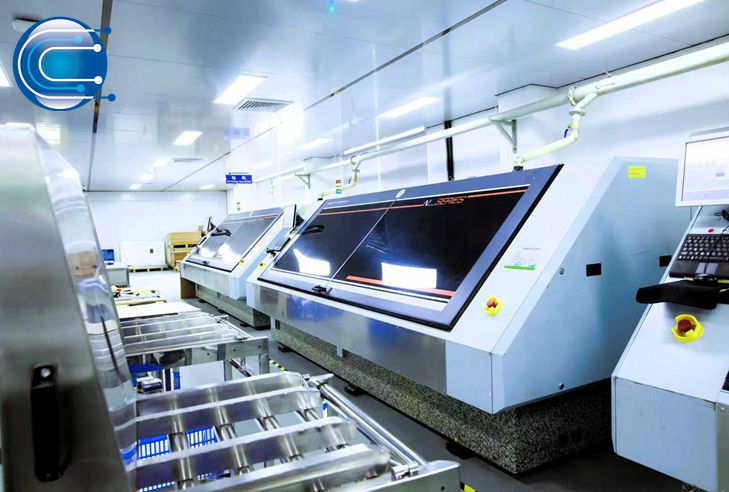
For OEMs sourcing rigid PCB fabrication and PCBA services, Ring PCB provides PCB manufacturing, component sourcing, SMT assembly, through-hole assembly, and production quality inspection. Established in 2008, the company operates a self-owned factory covering more than 10,000 square meters and supports rigid PCB manufacturing of up to 62 layers.
Its five automated SMT production lines support assembly requirements, while first article inspection equipment helps verify production setup. PCB prototypes may be available in as little as 72 hours, depending on project specifications, material availability, and production conditions.
Customers can submit Gerber files, BOM information, and technical requirements for manufacturing communication and feasibility review. For heavy copper projects, the required copper weight, finished thickness, trace spacing, layer structure, and process conditions should be reviewed against the specific manufacturing scope before order confirmation.
To discuss PCB fabrication or PCBA requirements, contact:
References and Sources
- IPC — IPC-2152: Standard for Determining Current-Carrying Capacity in Printed Board Design
- HLCPCB — Heavy Copper PCB: Copper Weight, DFM and Current-Path Review, August 2026
- PCBark — Heavy Copper PCB: The Complete Engineering Guide, 2026
- Ring PCB — Company manufacturing information, www.ringpcb.com