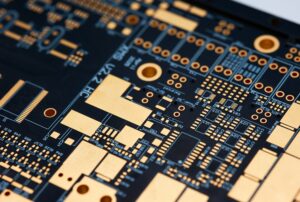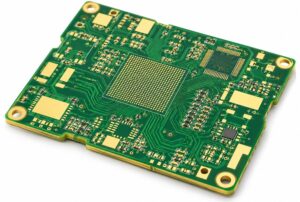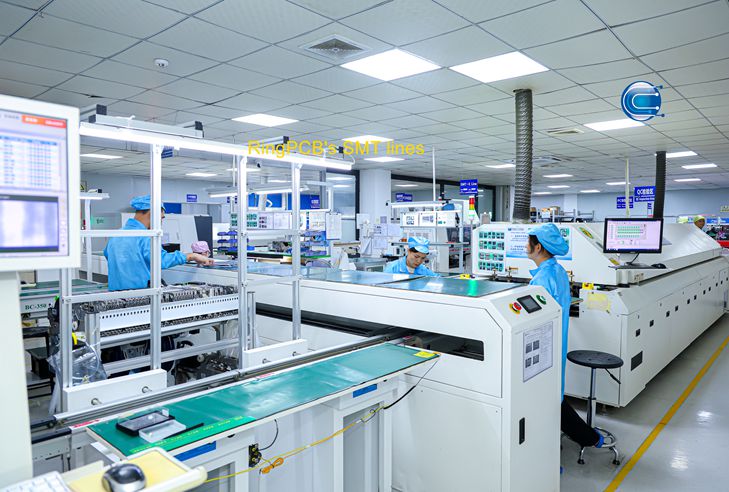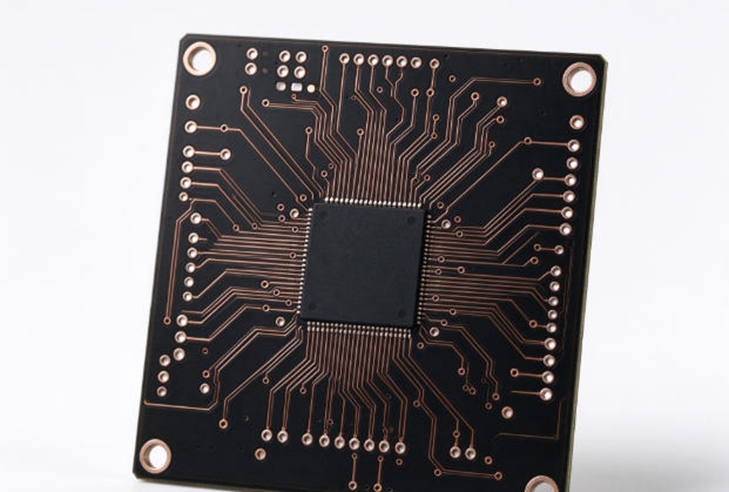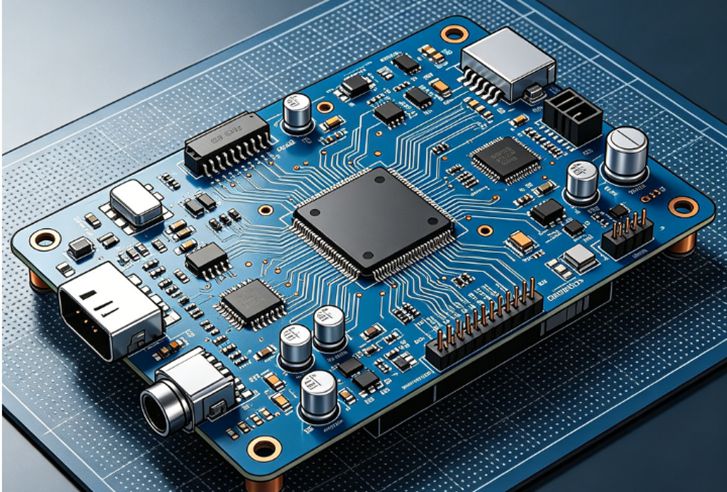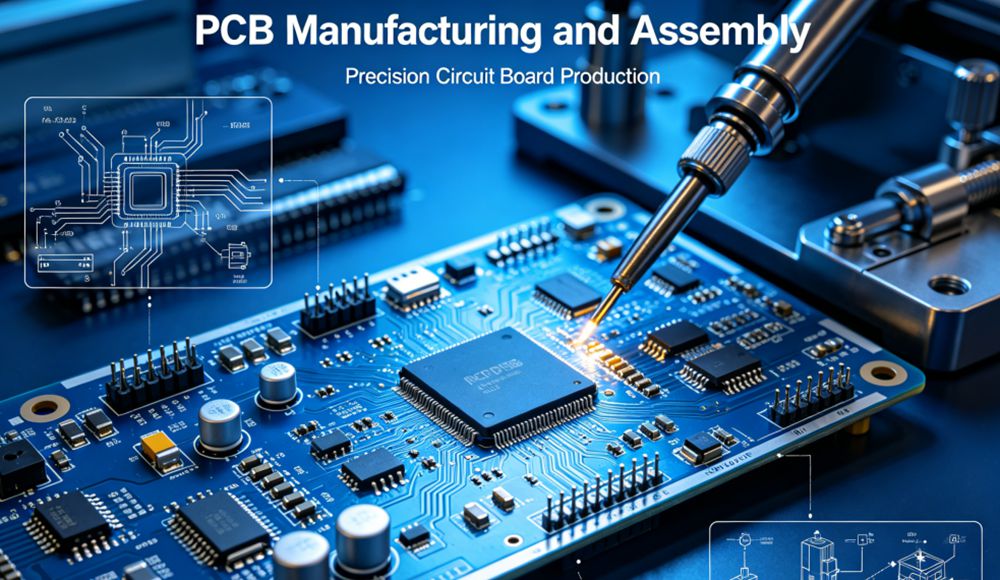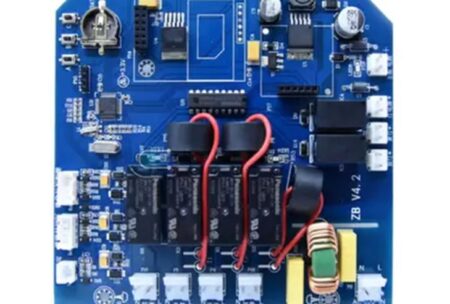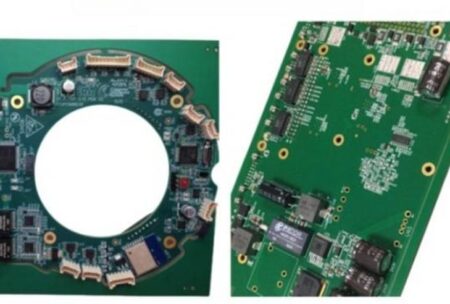
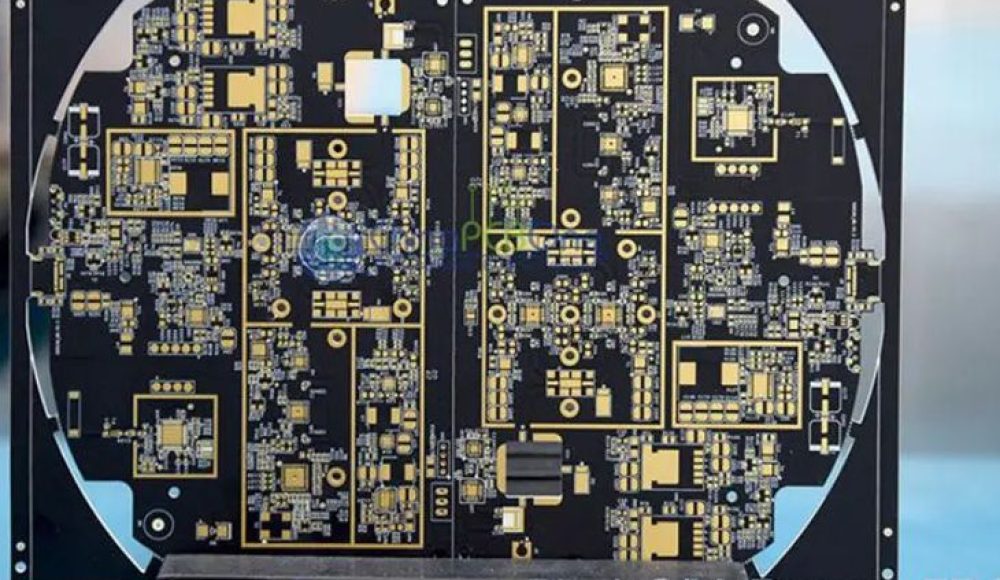
PCB Fabrication plays a critical role when your electronic design requires more than a standard circuit board can deliver. High-frequency signals, heavy current loads, demanding thermal conditions, and compact layouts can create manufacturing challenges that conventional PCB specifications may not address. Choosing the right fabrication partner helps you translate complex engineering requirements into reliable circuit boards while controlling production risks and lead times.
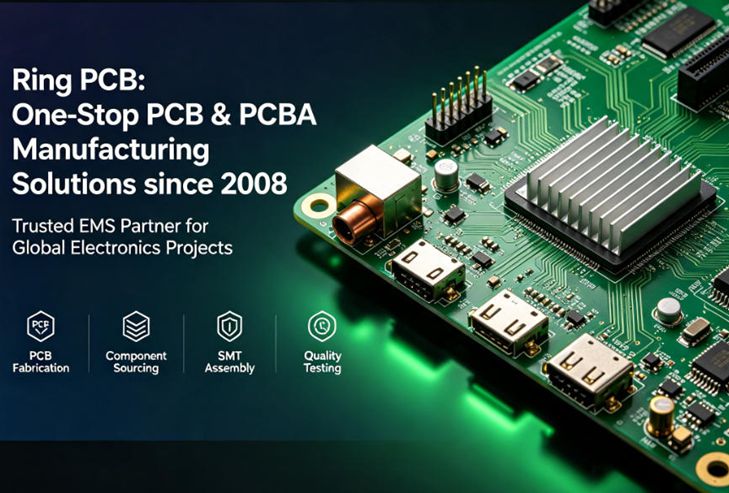
Ring PCB provides customized PCB fabrication and assembly services for industrial electronics, telecommunications, automotive systems, medical electronics, and consumer devices. Founded in 2008, the company operates manufacturing facilities in China with approximately 10,000 square meters of production space and a team of 500 employees. Whether you need a specialized prototype or a production-ready PCB design, Ring PCB supports your project with fabrication, component sourcing, assembly, and testing services.
What Is Special PCB Fabrication?
Special PCB fabrication involves manufacturing circuit boards with customized materials, structures, copper thicknesses, layer configurations, or electrical characteristics. Unlike standard PCB production, this approach addresses specific engineering requirements that may involve signal integrity, heat dissipation, current capacity, or compact component layouts.
For example, an RF communication device may require a high-frequency substrate to manage signal loss, while an industrial power controller may need heavy copper circuitry to carry higher currents. Selecting the appropriate materials and manufacturing processes helps you meet these application-specific requirements.
Types of Custom PCB Fabrication Services
Ring PCB supports multiple specialized PCB configurations to accommodate different design and operating conditions.
1. High-Frequency and High-Speed PCB
High-frequency PCB fabrication supports applications that require controlled electrical performance at elevated signal frequencies. Depending on your design, materials such as Rogers, Taconic, or PTFE-based laminates may be appropriate.
Typical applications include:
- RF communication and wireless equipment
- 5G infrastructure and radar systems
- High-speed data transmission devices
- Microwave and signal-processing equipment
Controlled impedance, suitable dielectric materials, and precise manufacturing processes help engineers manage signal integrity. Material selection should follow your frequency range, stack-up, and electrical performance requirements.
2. Heavy Copper PCB
Heavy copper PCB fabrication suits designs that require higher current-carrying capacity and improved thermal management. Ring PCB’s product specifications indicate support for copper thicknesses from 2 oz to 10 oz, subject to design and manufacturing review.
Common applications include industrial power supplies, power conversion equipment, motor controllers, and industrial control systems. Your engineering team should confirm current requirements, trace geometry, temperature rise, and board thickness before production.
3. Metal Core PCB
Metal core PCBs use a metal base, commonly aluminum or copper, to support heat transfer from power-generating components. They can be useful in LED lighting, power electronics, and other applications where thermal management influences product reliability.
The appropriate metal base and dielectric layer depend on your component power, thermal resistance targets, and mechanical design.
4. HDI, Rigid-Flex, and High-Tg PCB
Ring PCB also describes customized HDI, rigid-flex, and high-Tg PCB options.
- HDI PCB: Uses fine features and microvias to support compact, high-density layouts.
- Rigid-Flex PCB: Combines rigid and flexible sections for devices with space or interconnection constraints.
- High-Tg PCB: Uses laminates designed to withstand higher glass-transition temperatures during demanding thermal processes.
These options can support medical electronics, wearables, automotive electronics, and industrial equipment, depending on the final design and applicable qualification requirements.
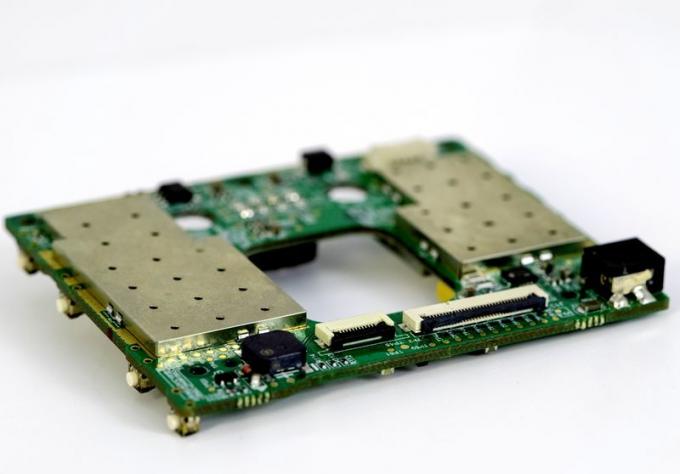
Standard PCB vs. Special PCB Fabrication
| Comparison Factor | Standard PCB | Special PCB |
|---|---|---|
| Materials | Common FR4 grades | FR4, high-Tg, Rogers, PTFE, polyimide, or metal-core options |
| Circuit structure | Conventional layouts | HDI, rigid-flex, heavy copper, or high-layer designs |
| Electrical requirements | General-purpose performance | Application-specific impedance and signal requirements |
| Thermal management | Depends on standard design | Can incorporate dedicated thermal solutions |
| Customization | Based on standard capabilities | Tailored to project specifications |
| Typical applications | General electronics | RF, industrial power, automotive, and compact devices |
The right option depends on your electrical, mechanical, thermal, and cost requirements. A special PCB is not automatically better for every project; standard FR4 may remain the most practical choice when your design does not require specialized performance.
How to Start a Custom PCB Fabrication Project
A clear manufacturing workflow helps reduce design revisions and production delays.
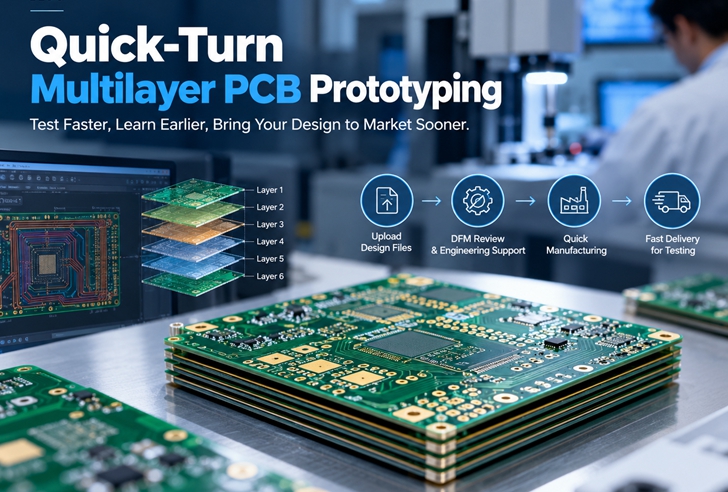
- Submit your design files. Provide Gerber files, drill data, the bill of materials (BOM), and assembly drawings when applicable.
- Confirm technical specifications. Discuss layer count, board dimensions, material, copper thickness, surface finish, impedance requirements, and tolerances.
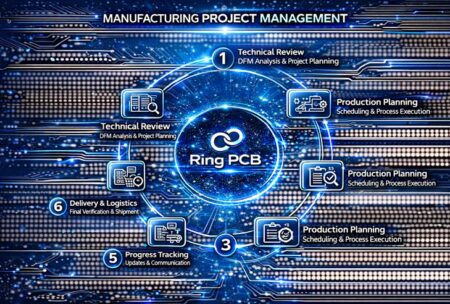
- Complete engineering review. Ask the manufacturer to review manufacturability, identify potential design issues, and clarify unresolved specifications.
- Approve the quotation and prototype. Confirm pricing, tooling requirements, sample quantities, and the agreed delivery schedule before production.
- Proceed with fabrication and assembly. Depending on your order, services may include PCB production, component sourcing, SMT or through-hole assembly, and functional testing.
- Review quality records. Confirm the inspection criteria and test documentation required for your application before shipment.
Why Choose Ring PCB for PCB Fabrication?
Ring PCB combines PCB manufacturing with PCBA services, giving you a single manufacturing partner for projects that require both bare boards and assembled electronic products.
Its stated capabilities include approximately 10,000 square meters of manufacturing space, 500 employees, and bare PCB production capacity of up to 50,000 square meters per month. The company also reports the capability to manufacture PCBs with up to 62 layers; confirm the feasible layer count for your particular design during engineering review.
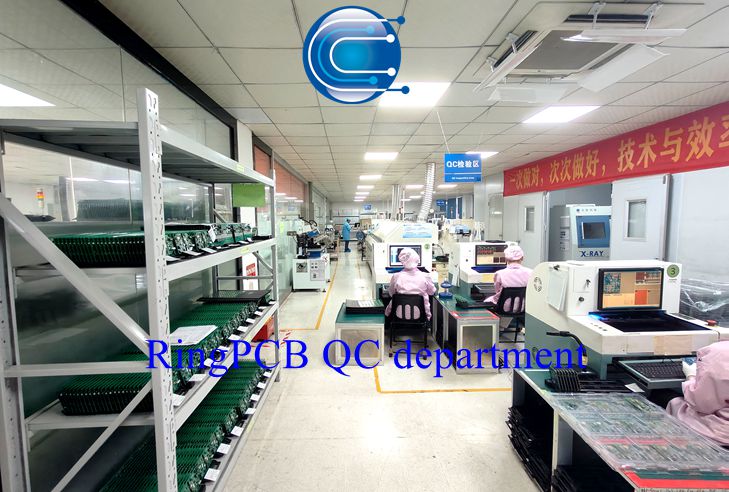
Available manufacturing and inspection equipment includes CNC drilling machines, lamination presses, laser direct imaging (LDI), automated optical inspection (AOI), and X-ray inspection systems.
Ring PCB identifies the following certifications and compliance credentials:
- ISO 9001 quality management
- ISO 14001 environmental management
- ISO 13485 medical device quality management
- IATF 16949 automotive quality management
- UL certification
Confirm the applicable certification scope and product requirements when requesting a quotation. Certification alone does not replace project-specific testing or customer qualification.
FAQ
1. What files do you need for custom PCB fabrication?
Manufacturers typically need Gerber files, drill files, board specifications, and stack-up details. For assembly, also provide the BOM, component placement files, and assembly drawings where applicable.
2. How long does PCB fabrication take?
Lead time depends on board complexity, materials, layer count, quantity, and testing requirements. Ring PCB lists rapid prototyping and mass-production options, but you should confirm the schedule for your specific design before placing an order.
3. Can Ring PCB provide both PCB fabrication and assembly?
Yes. Ring PCB offers PCB fabrication, component sourcing, SMT and through-hole assembly, and testing services. This integrated approach can simplify supplier coordination when you need a complete PCBA solution.
Conclusion
Choosing the right PCB Fabrication partner helps you balance electrical performance, manufacturability, product reliability, and production cost. From high-frequency and heavy copper boards to HDI, rigid-flex, and multilayer designs, Ring PCB offers customized manufacturing and assembly services backed by established production capabilities and quality management systems.
Request a PCB fabrication quotation from Ring PCB. Send your design files, required specifications, estimated quantity. The engineering team can review your requirements and help determine a suitable manufacturing solution.