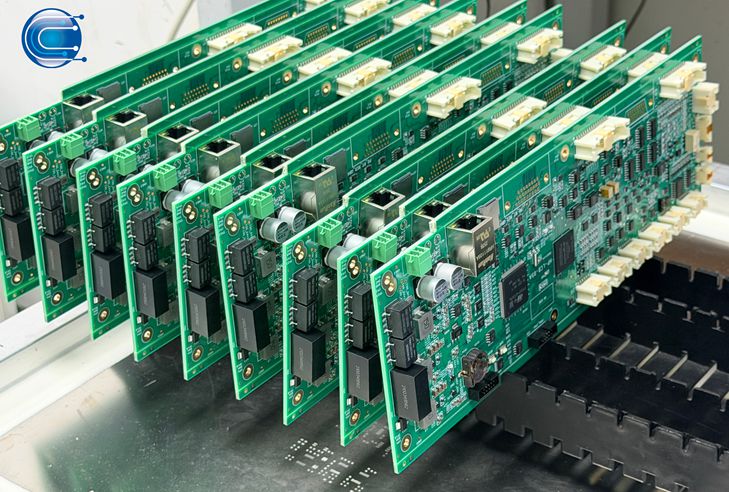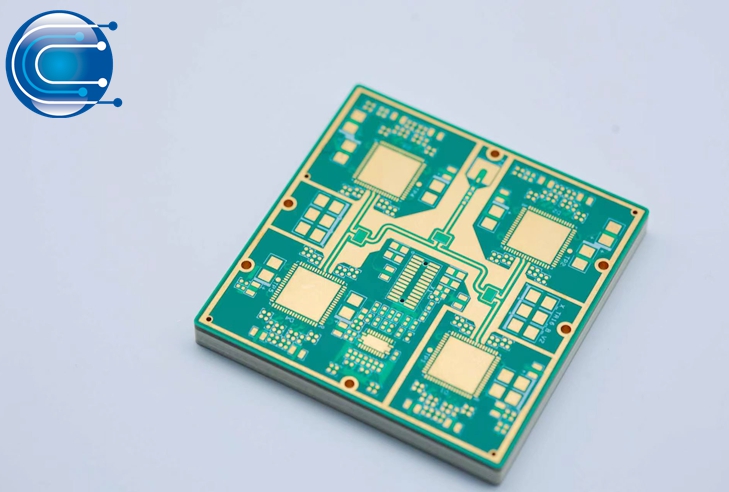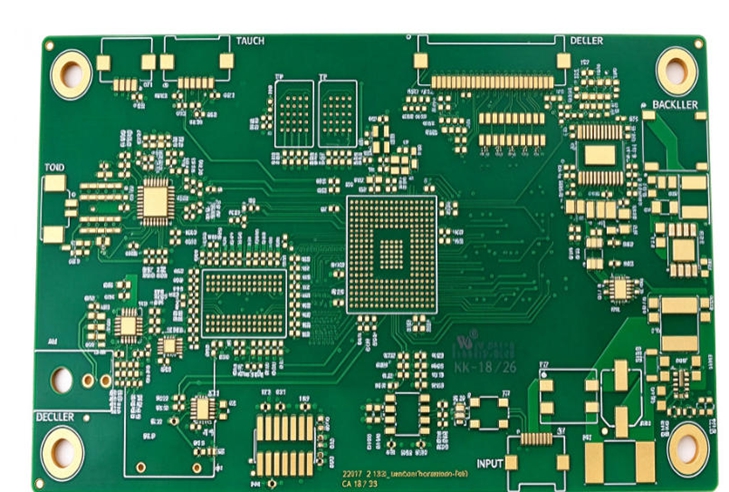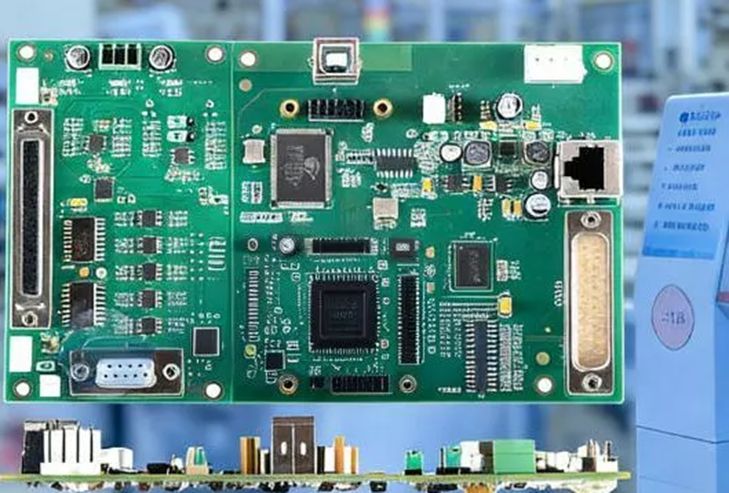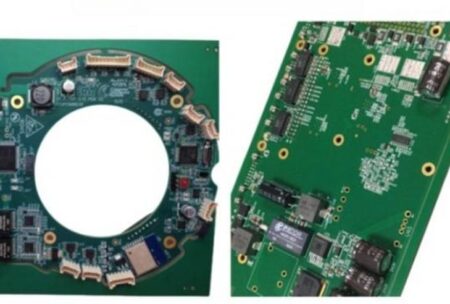
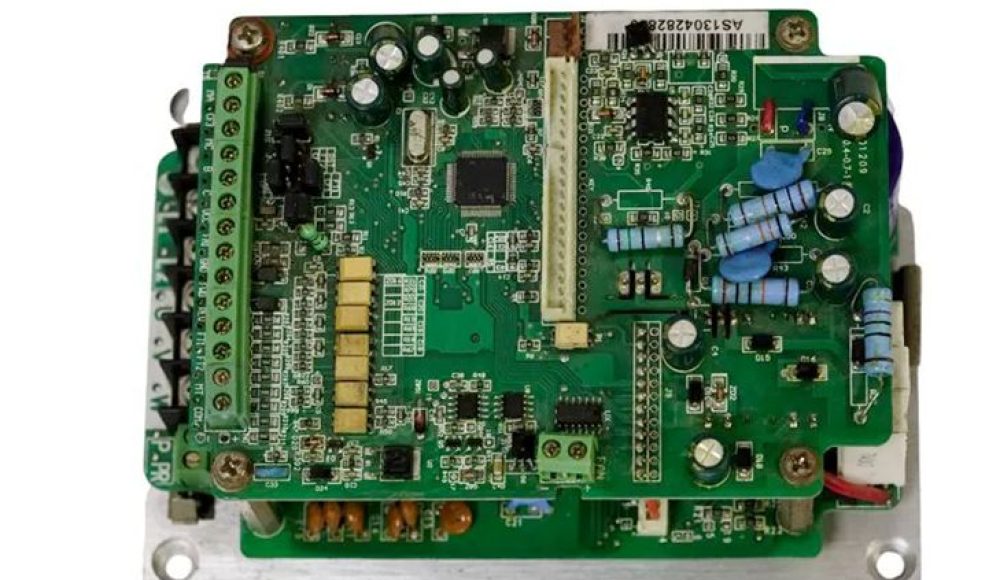
Industrial automation depends on electronic control systems that monitor equipment, process signals, manage power, and coordinate machine operations. From programmable logic controllers (PLCs) and motor drives to human-machine interfaces (HMIs) and industrial communication modules, printed circuit board assemblies are essential to modern manufacturing equipment.
Unlike many consumer electronic products, industrial control systems may be expected to operate for extended periods in environments involving temperature changes, vibration, electrical noise, dust, or humidity.
For industrial equipment OEMs, selecting an industrial control PCBA manufacturer therefore involves more than comparing assembly prices. Buyers need to consider component quality, process consistency, product traceability, testing coverage, and long-term supply support.
This article examines the key requirements of industrial control PCBA manufacturing and explains how full-turnkey EMS services can help equipment manufacturers manage production more effectively.
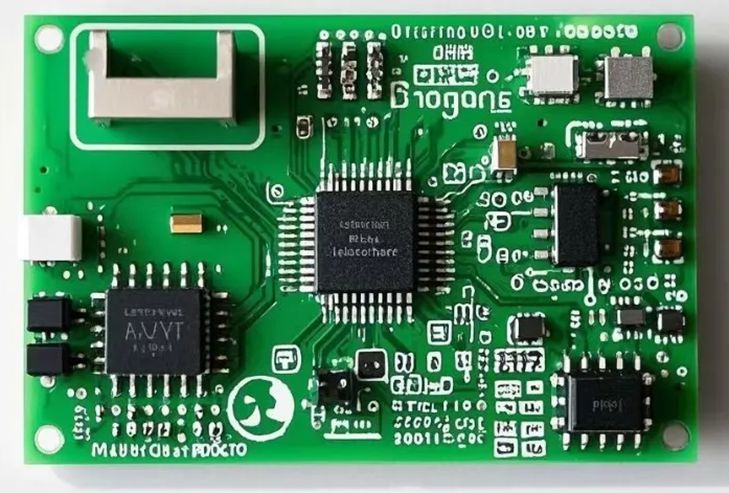
1. Smart Manufacturing Is Increasing the Importance of Industrial Electronics
Factories are increasingly adopting connected sensors, automated production equipment, industrial robots, data analytics, and intelligent control platforms.
These technologies rely on electronic assemblies to collect information, execute control commands, communicate with other devices, and monitor operating conditions.
Grand View Research estimates that the global industrial automation and control systems market reached approximately USD 226.8 billion in 2025 and projects a compound annual growth rate of 10.5% from 2026 to 2033.
This is a market estimate covering industrial automation and control systems, not PCBA manufacturing alone. Nevertheless, it reflects the broader adoption of automation technologies that depend on reliable industrial electronics.
As industrial systems become more connected, PCBA requirements are also evolving.
OEMs increasingly need assemblies that can support:
- Continuous operation and long service life.
- Stable signal acquisition and control.
- Reliable power conversion and distribution.
- Industrial communication interfaces.
- Environmental and electrical protection.
- Consistent production across repeat orders.
These requirements make manufacturing quality and supplier coordination important parts of the product lifecycle.
2. Common Types of Industrial Control PCBA
Industrial control systems use different PCB assemblies depending on their functions.
PLC Control Boards
PLC PCBAs process input signals, execute control logic, and manage output devices. They may include microcontrollers or processors, memory, input/output circuits, communication interfaces, and power management components.
Motor Drive and Power Control Boards
These assemblies control motor speed, torque, and operating conditions. Depending on the application, they may incorporate power semiconductor devices, gate drivers, current sensors, and protection circuits.
HMI and Display Control Boards
HMI assemblies support operator interaction with industrial machines. They may combine display interfaces, touch control, communication circuits, and embedded processing.
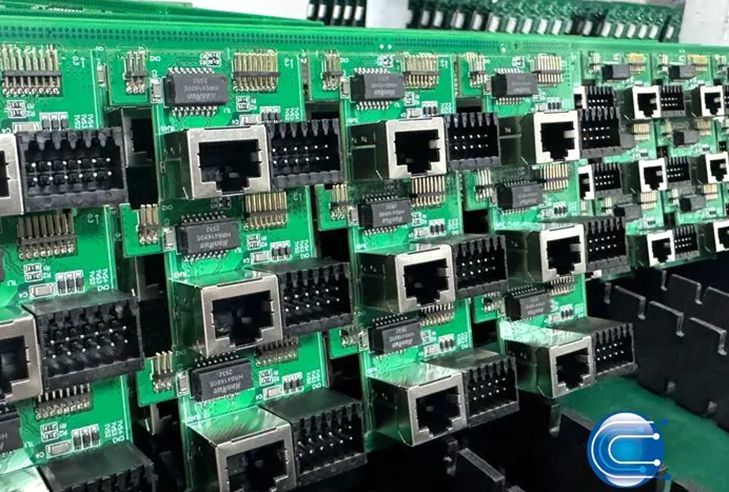
Industrial Communication Boards
These boards connect controllers, sensors, gateways, and other equipment through industrial Ethernet or other communication interfaces.
Sensor and Signal Conditioning Boards
Sensor interface PCBAs collect and process signals from temperature, pressure, position, vibration, and other industrial sensors.
Each board type has different component, PCB construction, assembly, and testing requirements. A suitable manufacturing process should therefore be based on the actual product specification.
3. What Makes Industrial Control PCBA Manufacturing Challenging?
Industrial control electronics must meet the electrical and mechanical requirements of their intended operating environments.
Several manufacturing considerations are especially important.
Component Selection and Long-Term Availability
Industrial equipment may remain in production for many years. Component lifecycle changes can therefore create challenges for repeat manufacturing and maintenance.
OEM buyers should evaluate component availability, manufacturer qualification, product lifecycle, and approved alternatives during BOM review.
A substitution process should include technical approval rather than relying only on price or availability.
Thermal and Power Management
Power supplies, motor drivers, switching devices, and other components may generate significant heat.
PCB copper distribution, component placement, thermal vias, heatsink interfaces, and enclosure design all contribute to thermal performance.
During assembly, soldering profiles and component handling must also be controlled according to the relevant specifications.
Electrical Noise and Signal Stability
Industrial environments can contain electrical interference from motors, drives, switching power supplies, and other equipment.
Grounding, shielding, isolation, component placement, and PCB routing influence system performance. Manufacturing suppliers should follow the customer’s layout and assembly requirements carefully.
Environmental and Mechanical Stress
Depending on the application, industrial control boards may face vibration, humidity, dust, temperature variation, or chemical exposure.
Protective coatings, suitable connectors, mechanical support, and environmental testing may be specified to address these conditions.
However, the required protection level should be defined for the complete product and operating environment rather than assumed from the PCB assembly alone.
4. Quality Control: More Than Visual Inspection
For industrial control PCBA, a consistent quality process is important because defects can affect equipment availability and maintenance costs.
A structured production workflow can include several inspection and verification stages.
Incoming Quality Control (IQC): Check incoming components and bare PCBs against purchase specifications, part numbers, quantities, and relevant documentation.
Solder Paste Inspection (SPI): Evaluate solder paste deposition before component placement to identify printing issues.
Automated Optical Inspection (AOI): Inspect component placement, polarity, and visible soldering conditions.
X-Ray Inspection: Examine hidden solder joints on applicable packages, such as BGAs, where required.
Electrical Testing: Verify continuity, shorts, and other defined electrical characteristics.
Functional Testing: Use customer-provided test procedures or agreed test fixtures to verify the intended board functions.
For certain industrial products, additional testing may be required, including temperature cycling, humidity, vibration, or insulation testing. The test plan should be based on product specifications, applicable standards, and the customer’s intended operating environment.
5. Why Traceability and Process Consistency Matter
Industrial equipment manufacturers often need to maintain product consistency across multiple production batches.
This is particularly important when a control board is used in equipment that remains in service for years.
Traceability can help manufacturers identify which components and production batches were used in a specific assembly. It can also support failure analysis, supplier quality investigations, and engineering change management.
Before placing an order, OEM buyers should clarify:
- Whether component batches can be recorded.
- How BOM and revision changes are controlled.
- Whether inspection results can be provided.
- How nonconforming materials and assemblies are handled.
- Whether production records can be linked to batch or serial numbers.
Consistent documentation can make repeat orders and after-sales support easier to manage.
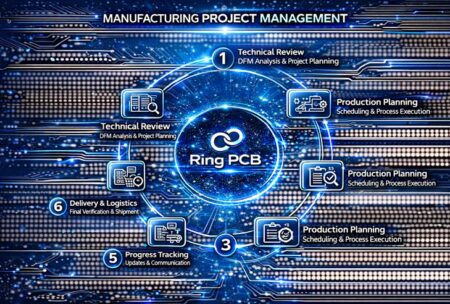
6. Full-Turnkey EMS: Simplifying Industrial PCBA Procurement
Industrial equipment manufacturers may need to coordinate bare PCB suppliers, component distributors, assembly factories, and testing providers.
This fragmented sourcing model can increase communication workload and make delivery schedules more difficult to control.
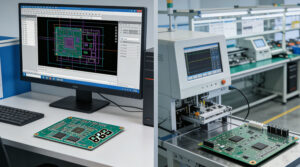
A full-turnkey EMS provider can coordinate several manufacturing stages within one service workflow.
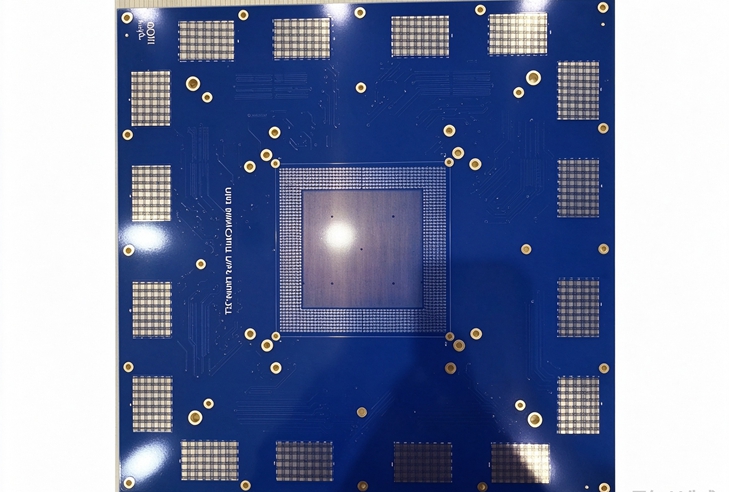
PCB Fabrication: Manufacture bare boards according to the approved Gerber files, stackup, material, and fabrication specifications.
Component Sourcing: Procure components according to the BOM, approved manufacturer list, and customer authorization requirements.
PCBA Assembly: Complete SMT and THT assembly according to the assembly drawings and process requirements.
Inspection and Testing: Arrange AOI, X-ray where applicable, electrical testing, and functional verification according to the agreed quality plan.
Production Coordination: Manage material preparation, manufacturing schedules, and communication across the production process.
For OEMs, this integrated approach can simplify supplier management and help maintain better coordination between PCB fabrication and assembly.
7. What Industrial OEM Buyers Should Evaluate in an EMS Partner
When comparing industrial control PCBA suppliers, buyers should look beyond the initial quotation.
A useful evaluation framework includes:
Manufacturing Scope: Confirm whether the supplier can provide PCB fabrication, component sourcing, SMT/THT assembly, and testing.
Engineering Communication: Check whether Gerber files, BOMs, assembly drawings, and technical requirements are reviewed before production.
Quality Management: Understand the inspection methods, documentation, traceability, and nonconformance procedures available.
Production Flexibility: Evaluate support for prototypes, pilot builds, small batches, and repeat volume orders.
Supply Chain Coordination: Clarify component sourcing channels, lead-time management, and approved substitution procedures.
Delivery Planning: Confirm the production schedule and identify which materials or processes may affect the lead time.
A supplier that can coordinate these areas is better positioned to support the practical manufacturing needs of industrial equipment OEMs.
8. Ring PCB: Industrial Control PCB and PCBA Manufacturing Services
Ring PCB provides PCB fabrication and PCBA manufacturing services for industrial electronics and other OEM applications.
Our service scope includes multilayer PCB manufacturing, component sourcing, SMT/THT assembly, inspection, and testing. Customers can submit Gerber files, BOMs, assembly drawings, and relevant technical requirements for engineering review and production feasibility assessment.
For industrial control PCBA projects, we support manufacturing coordination from bare board production through component procurement and assembly. Quality inspection and testing can be arranged according to the product’s specifications and agreed acceptance requirements.
Ring PCB also supports flexible order arrangements, from rapid prototypes and small batches to volume production. For suitable projects, PCB prototyping can be available in as fast as 3 days, while PCB and PCBA production can be arranged in around 7 days, subject to board complexity, material availability, component sourcing, and order quantity.
By combining PCB fabrication and full-turnkey EMS services, Ring PCB helps industrial OEM customers reduce supplier coordination and manage their electronics manufacturing requirements through one partner.
Conclusion
Industrial control PCBA manufacturing requires a balanced approach to electrical performance, component sourcing, assembly quality, traceability, and long-term production support.
As smart manufacturing and industrial automation continue to develop, equipment OEMs need manufacturing partners that can respond to changing product requirements while maintaining consistent processes.
An integrated PCB and PCBA manufacturing service can help simplify procurement, coordinate production stages, and support projects from prototype development to repeat manufacturing.
Send your Gerber files, BOM, assembly drawings, and target quantity to discuss your industrial control PCBA manufacturing requirements.
Contact Ring PCB: rfq@ringpcb.com