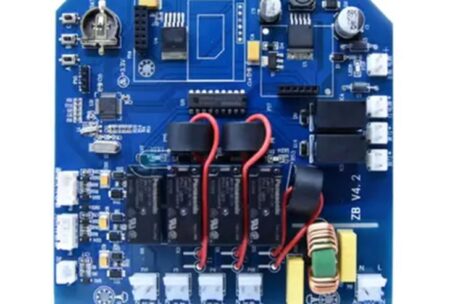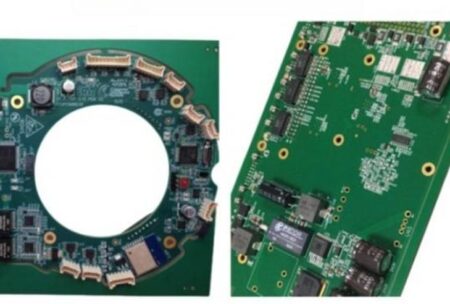
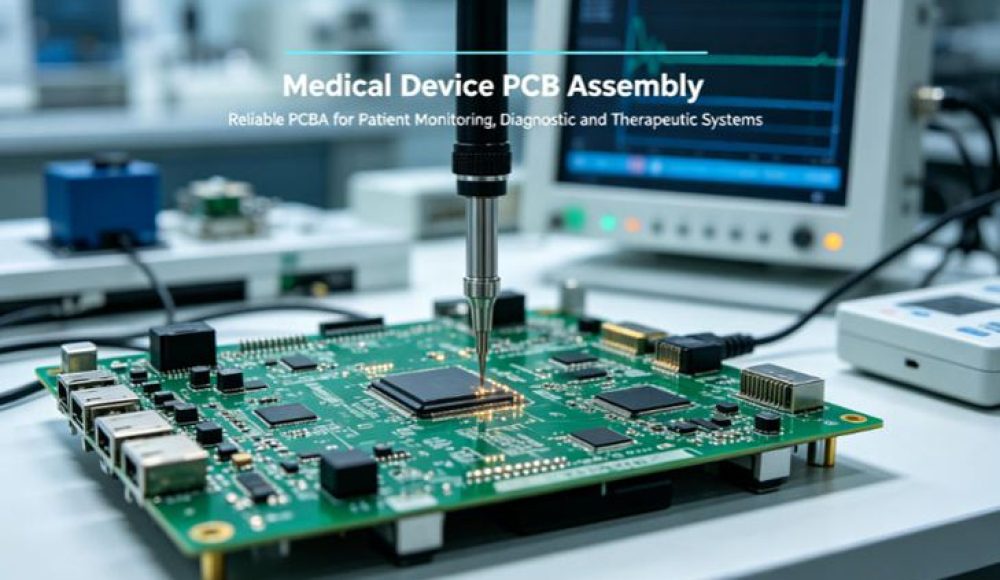
Medical device development is famously complex. Tight regulatory rules, long approval cycles, specialized materials, and high reliability expectations already create enough pressure on engineering and procurement teams. What many teams underestimate, however, is how much supply chain fragmentation can undermine even the most carefully planned medical PCBA projects. In 2026, end-to-end, self-operated PCB manufacturing has evolved from a nice-to-have advantage into a critical risk-mitigation strategy for medical device companies.
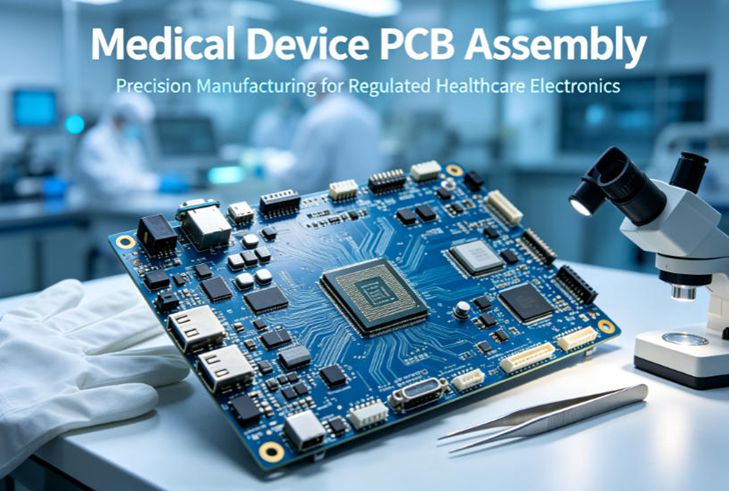
The Hidden Risks of Fragmented Medical PCBA Supply Chains
A common approach in the industry is to source bare PCBs from one vendor, components from multiple distributors, and assembly from a separate contract manufacturer. On paper, this appears flexible and cost-competitive. In practice, it creates multiple handoff points where errors, delays, and compliance gaps can occur.
First, quality accountability becomes blurred. If assembled boards fail functional testing, the root cause could lie in PCB fabrication defects, counterfeit or out-of-spec components, or assembly process errors. With multiple independent suppliers, troubleshooting turns into lengthy blame-shifting, costing weeks of delay on medical programs that are already racing against regulatory deadlines.
Second, traceability breaks down across supplier boundaries. Medical regulations require complete material and process traceability from raw laminate to finished assembly. When production is split across three or four companies, compiling a complete, audit-ready device history record becomes slow, incomplete, and error-prone. Missing certificates or inconsistent batch records can halt regulatory submissions and market launch plans.
Third, fragmented sourcing amplifies the impact of material shortages. Since 2025, tight supply of high-reliability MLCCs and specialty PCB materials has extended lead times for many medical hardware programs, with some critical components reaching 20+ week lead times. When PCB fabrication, component procurement, and assembly are managed separately, there is no single team proactively monitoring material risks and proposing alternative solutions.
How Integrated Manufacturing Improves Schedule Predictability
End-to-end PCB manufacturing brings PCB fabrication, component sourcing, SMT assembly, and final testing under one roof and one quality management system. This integration delivers measurable benefits for medical device programs.
Most obviously, it eliminates cross-supplier coordination delays. Design changes, material adjustments, and engineering questions circulate internally between fabrication, assembly, and engineering teams in hours, not days. For prototype iterations and design verification builds, this compression can shorten overall development timelines by 30% or more.
Integrated manufacturing also enables proactive supply chain management. A single partner can perform early BOM risk analysis, identify long-lead or end-of-life components, propose approved alternatives, and buffer strategic materials before shortages impact production. For medical devices that cannot freely swap components due to regulatory constraints, this forward visibility is invaluable.
Quality Consistency Across the Entire Production Lifecycle
Medical device production demands consistent quality across prototype, pilot, and full volume phases. Quality drift between batches or production ramps can force costly re-validation.
With an end-to-end manufacturer, the same engineering team, equipment fleet, and process parameters support your program from first prototype to mass production. Process validation records established during pilot runs carry forward into volume manufacturing, reducing variation and simplifying ongoing regulatory compliance. This consistency is especially important for medical programs that run multi-year production lifecycles.
Confidentiality and IP Protection
Medical device innovation represents significant R&D investment. When design files, BOM lists, and assembly specifications pass through multiple external vendors, IP leakage risk rises with each additional handoff. A single end-to-end partner reduces exposure, keeps sensitive design data within one controlled environment, and simplifies confidentiality management.
Your End-to-End Medical PCBA Partner: Ring PCB
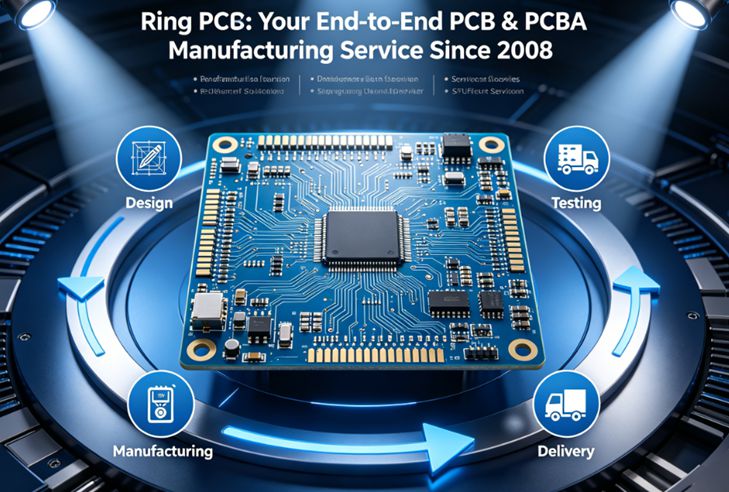
Ring PCB provides fully integrated PCB manufacturing and PCBA assembly services from our self-operated facilities, designed to support medical device programs at every stage. By bringing PCB fabrication, authorized component sourcing, precision SMT assembly, and multi-stage testing in-house, we deliver tighter schedule control, consistent quality, and complete traceability for medical-grade products.
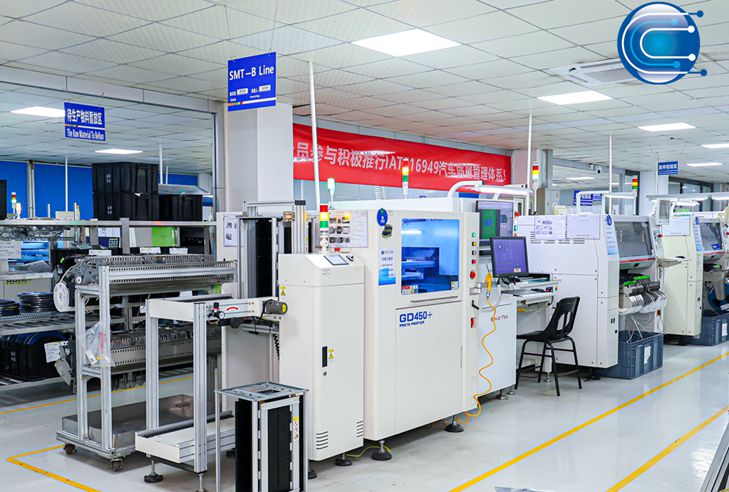
Our medical PCBA capabilities cover Class 3 assembly standards, BGA precision placement with X-Ray inspection, ionic contamination testing, and comprehensive functional test development. We support customers from initial prototype validation through regulated volume production, with engineering support available for DFM optimization, material selection, and test strategy planning.
For medical device companies seeking a reliable, compliance-focused manufacturing partner that can grow with their product roadmap, Ring PCB offers the technical depth and operational stability to reduce supply chain risk and accelerate market entry.
To explore how end-to-end manufacturing can benefit your medical PCBA program, send your project brief to rfq@ringpcb.com.