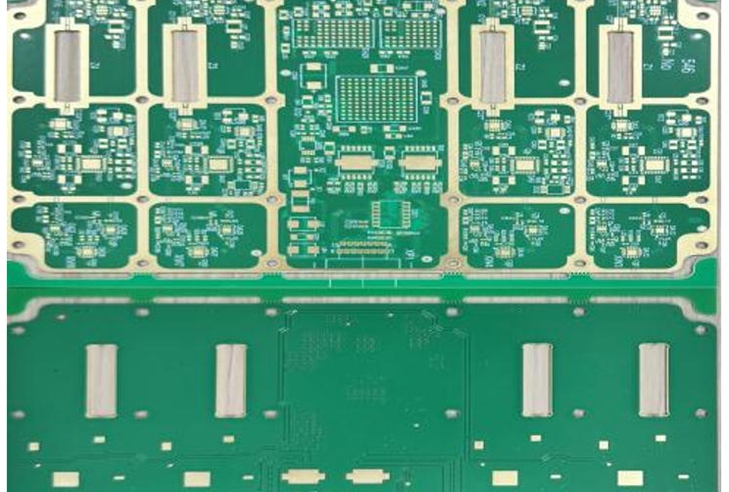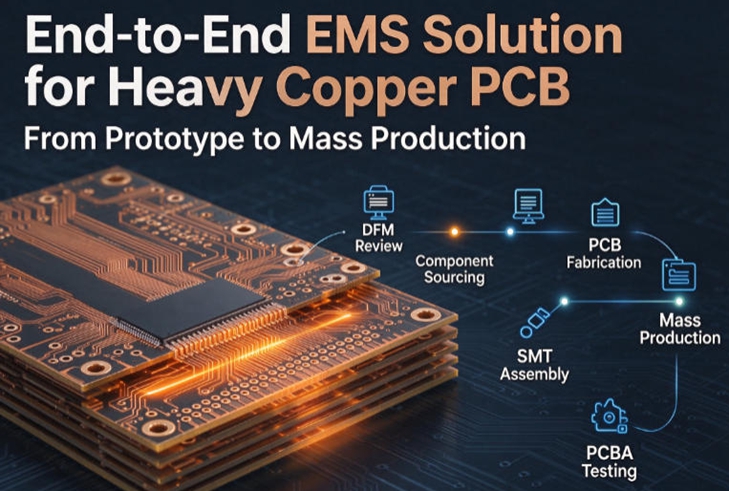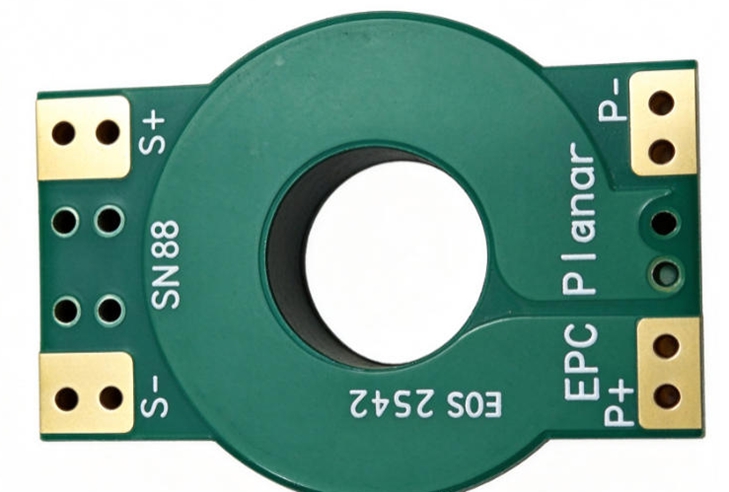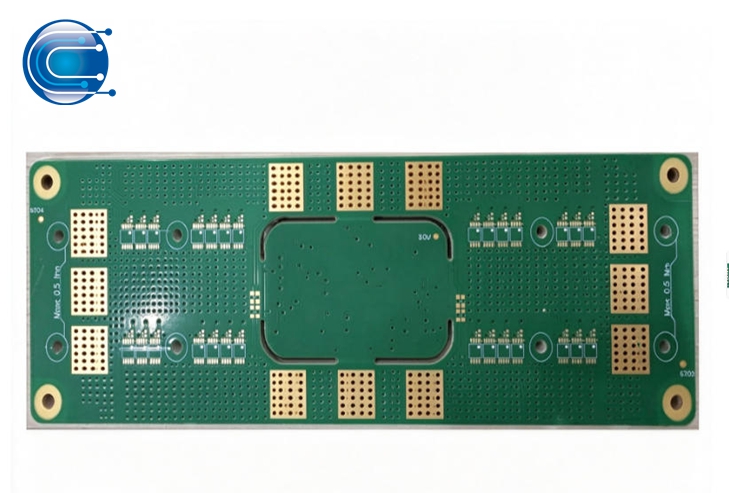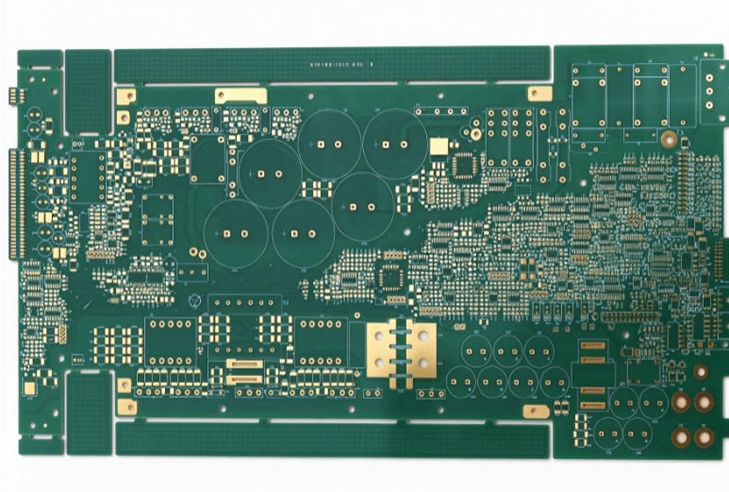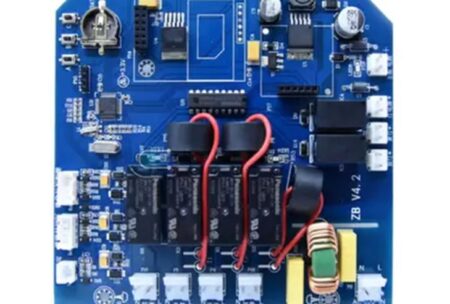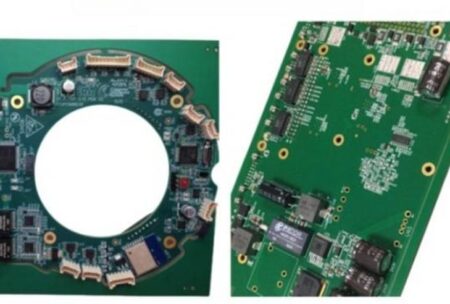
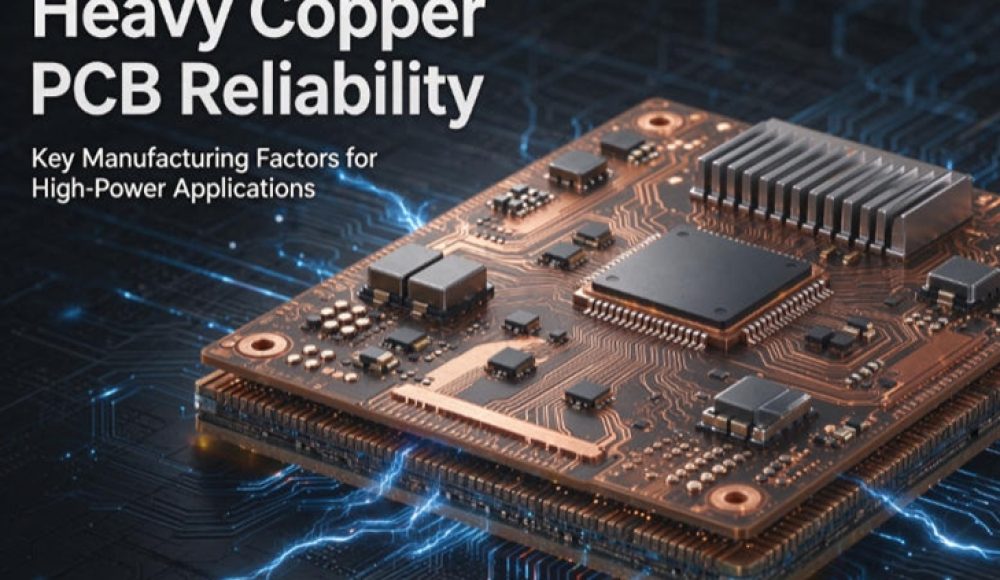
Heavy Copper PCBs are widely used in applications that require higher current capacity, improved heat distribution, and robust electrical connections. From industrial power supplies and motor controllers to EV charging equipment, energy systems, and high-power automation, these circuit boards must withstand demanding operating conditions.
However, higher copper thickness alone does not guarantee long-term reliability. PCB performance also depends on material selection, conductor geometry, interlayer connectivity, manufacturing quality, thermal cycling, and the operating environment.
For B2B buyers, understanding these factors is essential when selecting a Heavy Copper PCB manufacturer and evaluating the quality of a finished circuit board.
1. Why Heavy Copper PCB Reliability Matters
In high-power electronics, circuit boards may experience continuous current loading, localized heating, temperature fluctuations, vibration, and mechanical stress.
These operating conditions can affect copper conductors, solder joints, plated-through holes, dielectric materials, and the integrity of multilayer structures.
For example, a board used in an industrial motor controller may repeatedly experience temperature changes during startup, shutdown, and continuous operation. Similarly, a power conversion board may contain concentrated heat sources that create temperature differences across the PCB.
If manufacturing defects or insufficient design margins are present, these conditions may contribute to excessive temperature rise, copper damage, interconnection failure, or reduced product service life.
Therefore, reliability should be evaluated as a combination of electrical, thermal, mechanical, and manufacturing performance.
2. Copper Thickness and Current-Carrying Performance
Copper thickness is one of the most important characteristics of a Heavy Copper PCB.
Thicker copper conductors can reduce electrical resistance and help support higher current loads. In addition, they may improve heat spreading within selected PCB areas.
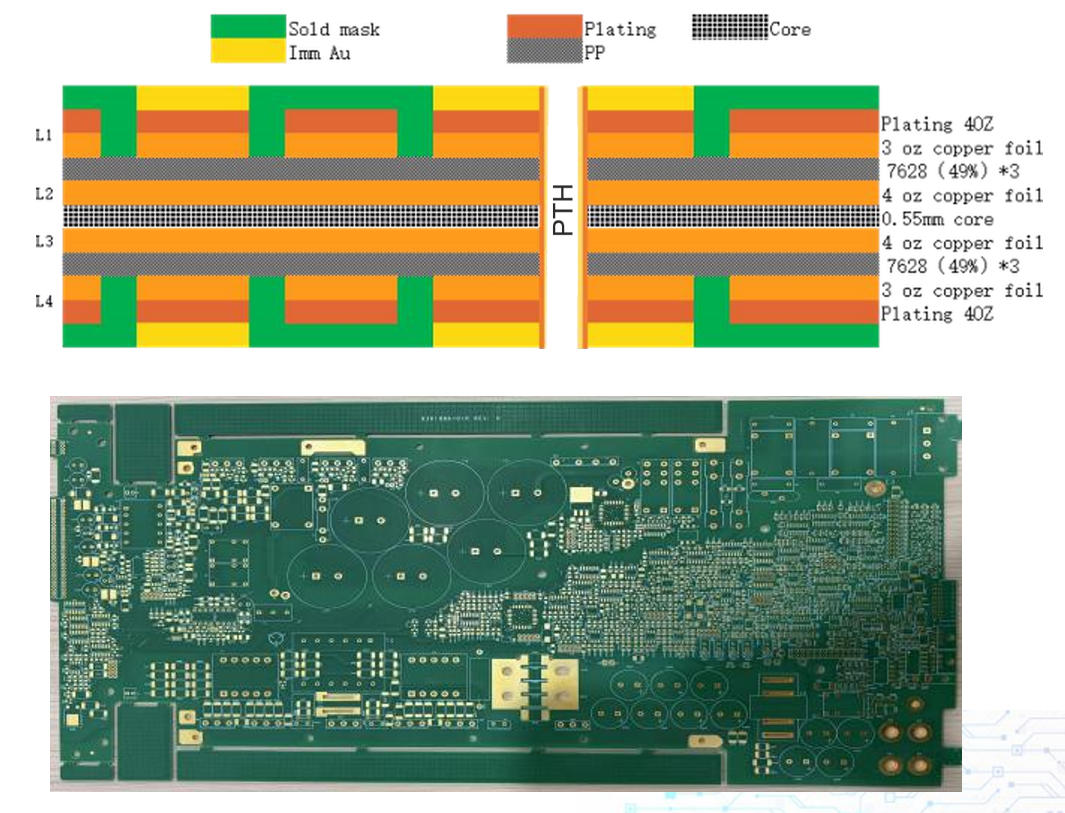
Nevertheless, current-carrying capability cannot be determined by copper weight alone.
Several factors must be considered:
- Copper thickness and conductor width
- Current magnitude and duty cycle
- Allowable temperature rise
- Ambient operating temperature
- Adjacent copper planes and thermal paths
- Board construction and enclosure conditions
For this reason, engineers should evaluate conductor sizing based on the electrical requirements and actual operating environment.
When requesting quotations, customers should specify the required copper weight or finished copper thickness clearly. It is also important to distinguish between base copper and finished copper thickness, particularly when copper plating contributes to the final conductor structure.
3. Thermal Management Beyond Copper Weight
Heavy Copper PCBs are often selected to improve thermal performance, but heat management requires a complete system-level approach.
Thicker copper can distribute heat across a larger area, helping reduce localized temperature concentration in some circuit configurations. However, heat generated by power components still needs an effective path to the surrounding environment.
Thermal management may involve:
Copper Planes and Heat Spreading
Large copper areas can help distribute heat away from concentrated sources. Their effectiveness depends on the board layout, copper connectivity, thermal contact, and available heat dissipation paths.
Thermal Vias
Thermal vias can transfer heat between PCB layers and help connect hot components to internal or opposite-side copper structures.
Their placement, number, size, plating quality, and connection to copper planes should be evaluated according to the thermal requirements.
Component Placement
High-power components should be positioned with attention to heat interaction, spacing, airflow, and the surrounding PCB structure.
External Cooling
Depending on the application, heat sinks, metal chassis connections, forced airflow, or liquid cooling may be necessary.
A Heavy Copper PCB can contribute to thermal management, but it should be integrated with the complete thermal design rather than used as a substitute for cooling analysis.
4. Plated-Through-Hole and Interconnection Reliability
Interconnections are critical to Heavy Copper PCB performance because current must pass reliably between conductive layers and components.
Plated-through holes create electrical connections between PCB layers. Under operating conditions, these structures may be exposed to temperature fluctuations and mechanical stress caused by differences in thermal expansion between copper, laminate materials, and other components.
Potential reliability concerns include insufficient plating, plating irregularities, hole wall defects, poor interconnection quality, and stress-related damage.
For high-power applications, manufacturers should evaluate drilling quality, plating process control, finished hole dimensions, copper thickness, and applicable acceptance criteria.
Cross-section inspection can provide valuable information about internal copper structures, plated-hole quality, and the relationship between different PCB layers.
The inspection and verification methods should be selected according to the product specification, reliability requirements, and applicable industry standards.
5. Material Selection and Thermal Stability
The laminate material plays an important role in the mechanical and electrical reliability of Heavy Copper PCBs.
Material properties such as glass transition temperature (Tg), thermal decomposition characteristics, coefficient of thermal expansion (CTE), dielectric properties, and moisture resistance can influence the board’s performance during fabrication and operation.
For applications involving elevated temperatures or frequent thermal cycling, material selection should be based on the expected operating environment rather than cost alone.
In addition, the combination of thick copper, multilayer construction, and laminate material must be evaluated during manufacturing feasibility review.
An appropriate material and stack-up can help support dimensional stability, interlayer bonding, and long-term reliability under the intended conditions.
6. Quality Inspection and Reliability Verification
A reliable PCB manufacturing process should include multiple inspection stages to detect potential defects before the board is delivered.
Depending on the board design and customer requirements, quality control may include:
Automated Optical Inspection (AOI)
Used to identify potential circuit pattern defects, including missing copper, unwanted connections, and pattern abnormalities.
Electrical Testing
Used to verify electrical continuity and isolation, helping detect open circuits and short circuits.
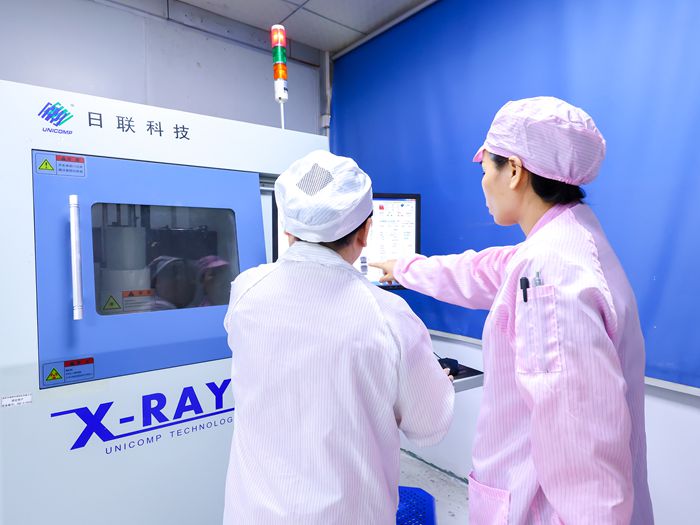
Used to examine selected internal structures and features that cannot be evaluated through conventional visual inspection.
Cross-Section Analysis
Used to assess internal construction, plating thickness, layer structures, and selected manufacturing characteristics.
Dimensional and Visual Inspection
Used to check finished board dimensions, thickness, surface condition, and other specified characteristics.
Inspection results should be evaluated against agreed specifications and acceptance criteria. A comprehensive inspection plan helps improve quality consistency and reduces the risk of manufacturing defects reaching downstream PCB assembly.
7. How Buyers Can Evaluate a Heavy Copper PCB Supplier
For procurement teams, choosing a supplier based on price alone can create unnecessary quality and production risks.
A qualified manufacturing partner should be able to discuss copper thickness, stack-up feasibility, trace geometry, hole requirements, material selection, inspection plans, and production constraints in a technically clear manner.
Before placing an order, B2B customers should consider the following questions:
- Does the manufacturer have experience with the required copper thickness?
- Can it support the specified layer count and board thickness?
- Are the trace widths, spacing, and hole sizes manufacturable?
- What inspection methods are available?
- Can the supplier provide relevant quality documentation?
- Does the manufacturer understand the application’s electrical and thermal requirements?
- Can prototype and production requirements be supported consistently?
Providing complete Gerber files and detailed technical specifications enables the manufacturer to conduct a more accurate feasibility assessment and identify potential risks before order acceptance.
8. Ring PCB: Manufacturing Support for Heavy Copper Applications
For industrial and high-power electronics projects, manufacturing quality and engineering communication are essential to achieving reliable PCB performance.
Ring PCB provides customized PCB fabrication and PCB assembly services for customers across industrial control, power electronics, communication equipment, and other electronic industries.
Founded in Shenzhen in 2008, Ring PCB has approximately 18 years of PCB manufacturing experience and operates an approximately 10,000 m² self-owned factory. Its capabilities include multilayer PCB manufacturing, heavy copper processing, precision drilling, lamination, AOI, X-ray inspection, electrical testing, and other production and quality-control processes.
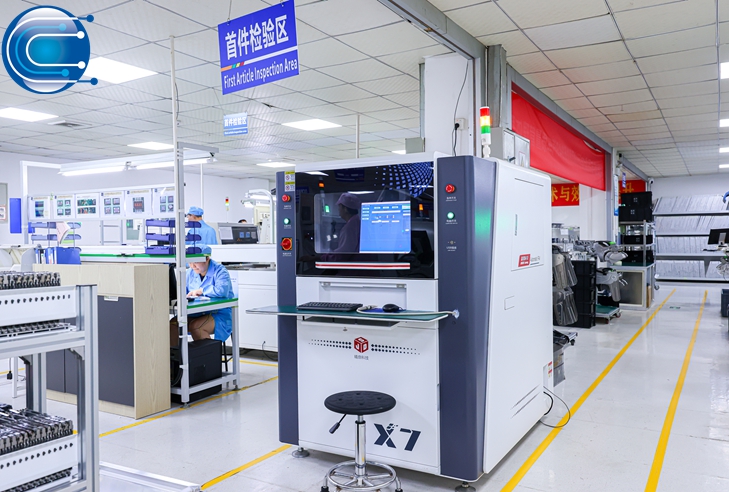
Ring PCB supports customized manufacturing requirements and works with customers to review technical specifications, material requirements, manufacturing feasibility, and production details before order confirmation.
For Heavy Copper PCB projects, early technical communication helps ensure that copper weight, layer count, board thickness, hole structures, and inspection requirements are clearly defined.
Conclusion
Heavy Copper PCB reliability is determined by more than copper thickness. Current-carrying capability, thermal management, material stability, plated-through-hole quality, interlayer connectivity, and manufacturing control all contribute to long-term performance.
For high-power electronic applications, selecting a PCB manufacturer with appropriate technical capabilities and a structured quality-control process can help reduce production risks and improve project consistency.
If you are sourcing custom Heavy Copper PCBs for power electronics, industrial control, EV charging, or other high-current applications, contact Ring PCB at rfq@ringpcb.com to discuss your Gerber files and technical requirements.
Reference Sources
-
IPC – PCB Quality, Performance and Reliability Standards
-
PCB Copper Weight and Reliability Considerations
-
U.S. Bureau of Industry and Security – PCB Copper Materials and Industry Applications