Choosing a PCB assembly service is an important decision for electronics manufacturers. A circuit board may be correctly designed, but its final performance still depends on component quality, assembly process control, workmanship, and production consistency.
For OEMs, the challenge is not simply finding a supplier that can place components onto a PCB. The right manufacturing partner should understand the assembly documentation, review component availability, coordinate SMT and through-hole processes, and follow clearly defined inspection and acceptance requirements.
A well-organized PCB assembly service can also reduce communication gaps between PCB fabrication, component procurement, and board assembly. This is especially valuable for products with complex BOMs, multiple component packages, or changing production volumes.
This article explains the main stages of PCB assembly and what buyers should evaluate when selecting a PCBA supplier.
1. What Does a PCB Assembly Service Include?
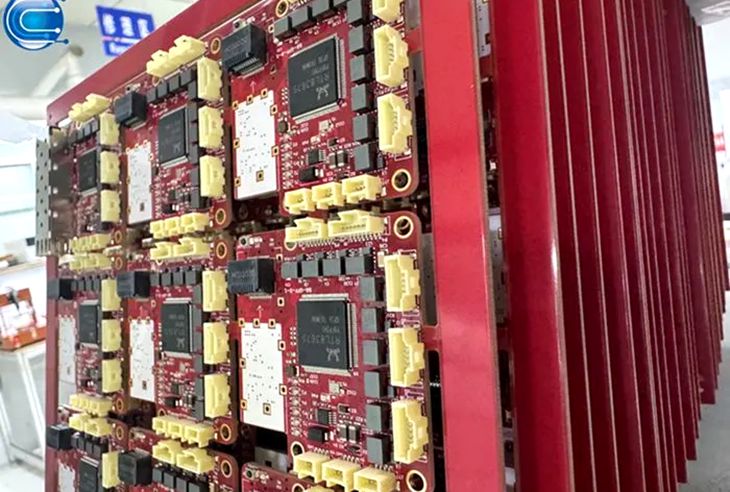
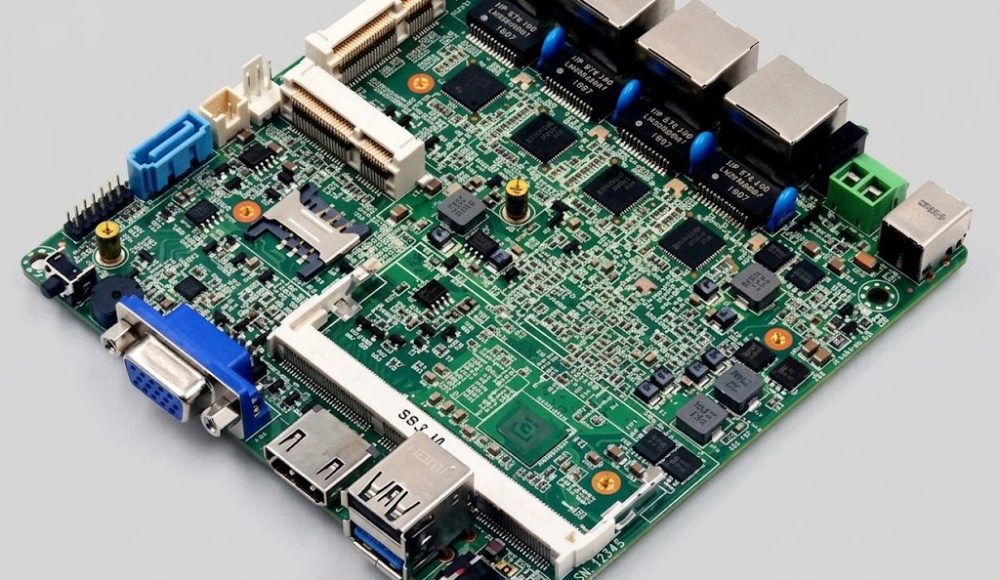
PCB assembly is the process of mounting and soldering electronic components onto a fabricated printed circuit board.
Depending on the supplier’s business model and the customer’s requirements, a PCB assembly service may include:
- BOM review and component sourcing
- PCB fabrication coordination
- SMT assembly
- Through-hole assembly
- Mixed-technology assembly
- Assembly inspection
- Packaging and production documentation
Not every supplier provides the same scope. Some offer assembly-only services using customer-supplied components, while others provide turnkey or partial-turnkey procurement.
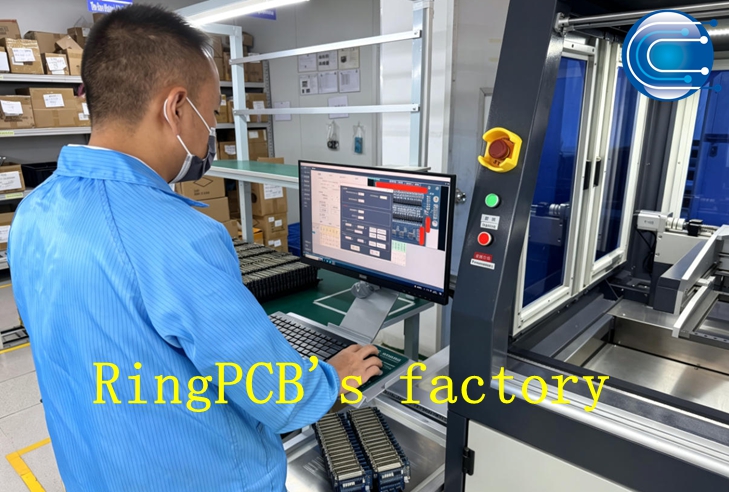
Therefore, buyers should clarify the service scope before requesting a quotation.
2. BOM Review: The First Step Toward Production
The Bill of Materials (BOM) is one of the most important documents in a PCBA project. It identifies the components required for the assembly, including part numbers, descriptions, quantities, and manufacturer information.
An incomplete or inconsistent BOM can create problems during quotation and production.
For example, a BOM may contain an obsolete part number, an unclear package description, or a component with no approved manufacturer. In other cases, the same component may be listed under different descriptions, creating unnecessary procurement confusion.
A useful BOM review should check:
Manufacturer part numbers: Confirm that each part number identifies the intended component.
Package information: Verify that package sizes and footprints match the PCB layout.
Component specifications: Review voltage, current, tolerance, temperature, and other relevant ratings.
Approved alternatives: Identify whether equivalent parts are allowed and who must approve substitutions.
Availability: Evaluate lead times, lifecycle status, and sourcing risks.
Special handling: Identify moisture-sensitive, temperature-sensitive, or otherwise controlled components.
A thorough review helps the supplier identify procurement and assembly questions before materials are ordered.
3. Component Sourcing: Managing Availability and Quality
Component procurement can become a major challenge when electronics manufacturers face long lead times, allocation, obsolescence, or supply-chain disruptions.
A PCB assembly supplier may offer different procurement models.
Full Turnkey Assembly
The supplier handles component procurement and PCB assembly according to the approved BOM and customer requirements. This can reduce the customer’s purchasing workload and simplify coordination.
Partial Turnkey Assembly
The customer supplies selected components, while the supplier sources the remaining parts. This model may be useful when the customer has strategic purchasing agreements or needs to control the sourcing of critical components.
Consigned Assembly
The customer provides all components, and the supplier performs the agreed assembly operations. This approach gives the customer direct control over component purchasing but requires accurate material preparation and delivery.
Regardless of the model, component sourcing should include clearly defined supplier approval, part verification, incoming inspection, storage, and handling requirements.
Buyers should also agree on how shortages and proposed substitutions will be communicated. A supplier should not change an approved component without the customer’s authorization.
4. SMT Assembly: Precision in Component Placement
Surface Mount Technology (SMT) is widely used for modern PCB assembly because it supports compact components, high placement density, and automated production.
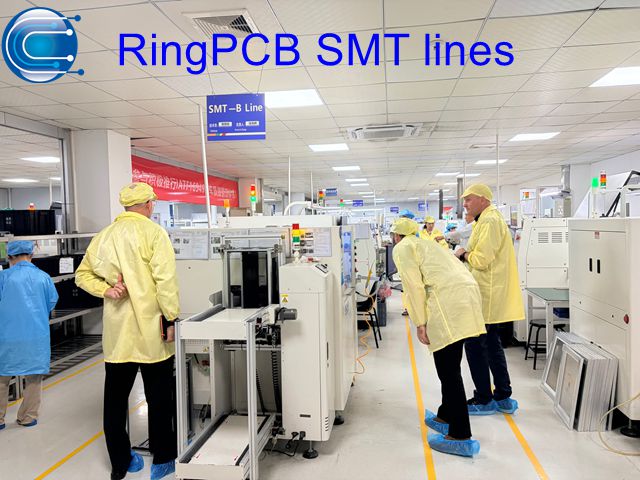
A typical SMT process includes solder paste printing, component placement, reflow soldering, and inspection.
Solder Paste Printing
Solder paste is deposited onto PCB pads through a stencil. Stencil design, aperture dimensions, board support, and printing conditions influence paste volume and consistency.
Component Placement
Pick-and-place equipment positions components according to the assembly data. Placement accuracy is particularly important for fine-pitch ICs, small passive components, and high-density layouts.
Reflow Soldering
The PCB passes through a controlled thermal profile to melt the solder paste and form electrical and mechanical joints. The profile should be appropriate for the solder alloy, component specifications, PCB construction, and thermal characteristics.
Post-Reflow Inspection
The assembled board is inspected according to the agreed quality plan. Inspection methods may include visual inspection and automated optical inspection, depending on the project and supplier’s available equipment.
A stable SMT process depends on the interaction between PCB pad design, stencil design, component condition, placement accuracy, and thermal control.
5. Through-Hole Assembly for Mechanical and Electrical Connections
Although SMT dominates many modern electronics designs, through-hole technology remains important.
Through-hole components have leads inserted into plated holes in the PCB. They are commonly used for connectors, terminals, transformers, large capacitors, and components that require particular mechanical support.
Assembly methods may include manual soldering or automated soldering processes, depending on component type and production requirements.
The supplier should review hole diameter, lead dimensions, component seating, soldering access, and board thickness before production.
Mixed-technology PCBAs may require both SMT and through-hole assembly. In such cases, the production sequence should be planned to reduce handling risks and prevent damage to components already installed.
6. PCB Assembly Inspection and Quality Acceptance
Inspection is essential for evaluating assembly workmanship and identifying defects.
Different inspection methods provide different types of information:
- Visual inspection: Checks observable assembly conditions, component orientation, and workmanship.
- Automated Optical Inspection (AOI): Uses image-based systems to identify certain placement and soldering defects.
- X-ray inspection: Helps examine selected hidden solder connections, such as those under certain area-array packages.
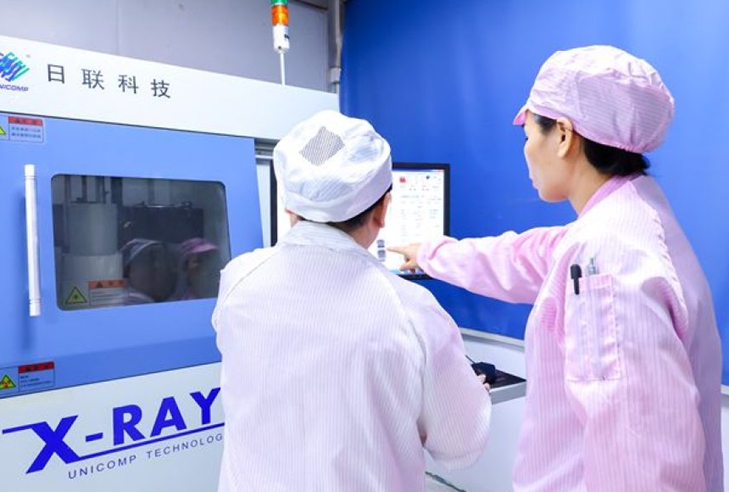
- Electrical testing: Checks specified electrical connections or circuit characteristics.
- Functional testing: Evaluates defined operating functions using customer-approved test procedures.
The appropriate inspection plan depends on the product design, component packages, risk level, and customer requirements. No single inspection method can verify every aspect of an electronic assembly.
IPC J-STD-001 establishes requirements for soldered electronic assemblies, while IPC-A-610 provides acceptance criteria for electronic assembly workmanship. Customers and suppliers should agree on the applicable revision, class, and any additional requirements before production.
7. NPI and Prototype Builds: Reducing Production Risks
New Product Introduction (NPI) is an important stage between design completion and volume manufacturing.
A prototype build allows the customer and manufacturer to evaluate the assembly process, identify documentation gaps, and resolve production issues before scaling up.
During NPI, the supplier may review:
- PCB and assembly drawing consistency
- BOM accuracy and component availability
- Footprint and package compatibility
- Component polarity and orientation
- Stencil and assembly process requirements
- Inspection criteria
- Production handling and packaging instructions
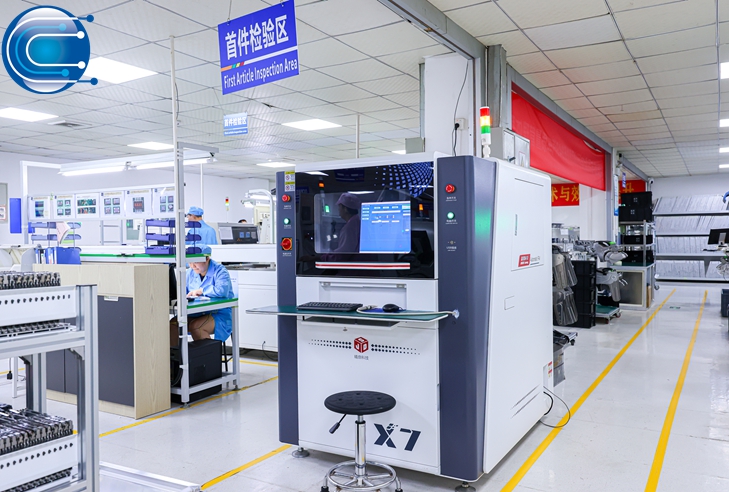
First Article Inspection (FAI) can provide a structured review of an initial production unit or defined sample. Its purpose is to verify that the build conforms to the agreed documentation and requirements. It should not be treated as a guarantee that every subsequent board will be defect-free.
For repeat production, the customer and supplier should also define change-control procedures for BOM revisions, PCB modifications, approved alternatives, and process changes.
8. Scaling from Prototype to Mass Production
A successful prototype does not automatically guarantee a smooth mass-production transition.
Production volume may introduce new challenges involving material planning, machine utilization, component consistency, process repeatability, and delivery scheduling.
Before moving to volume production, buyers should confirm:
- The BOM and approved vendor list are finalized.
- The PCB revision and assembly data are controlled.
- Component supply can support the planned production schedule.
- Assembly processes have been reviewed and approved.
- Inspection criteria and records are defined.
- Packaging and labeling requirements are clear.
- Engineering changes are communicated through an agreed process.
These steps help reduce misunderstandings and make production planning more predictable.
9. How to Choose the Right PCB Assembly Service Provider
When comparing PCB assembly suppliers, buyers should look beyond the quoted assembly price.
Consider the following factors:
Service scope: Can the supplier support the required procurement model, SMT, through-hole assembly, and PCB fabrication coordination?
Technical capability: Does its equipment and process range match the board’s component packages, dimensions, and assembly requirements?
Component sourcing: Can it review BOM details and communicate availability or substitution issues?
Quality management: Are inspection procedures, acceptance criteria, and corrective-action processes clearly defined?
Communication: Can the supplier respond effectively to engineering questions and production changes?
Production planning: Can it distinguish prototype requirements from repeatable mass-production needs?
The best supplier is not necessarily the one with the lowest initial quotation. It is the partner whose capabilities, process controls, and communication practices match the project’s requirements.
PCB Assembly Service with Ring PCB
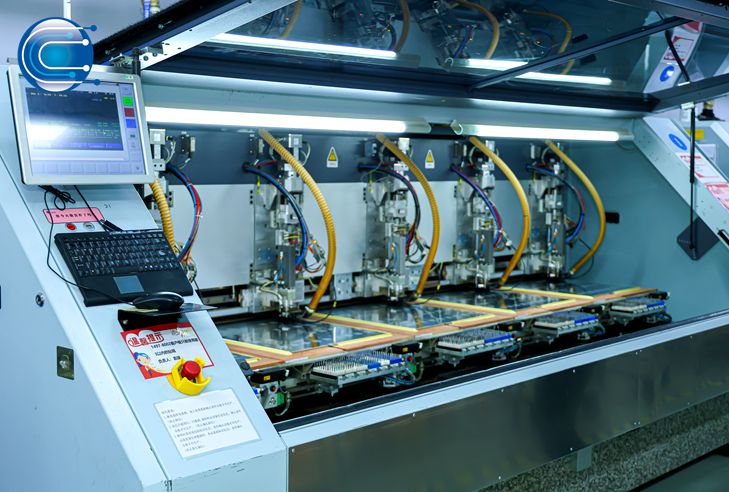
Ring PCB provides PCB fabrication, component sourcing, SMT assembly, through-hole assembly, and production quality inspection. Its manufacturing resources include five automated SMT lines and a company-owned factory covering more than 10,000 square meters.
Customers can discuss different procurement arrangements according to project needs, including full-turnkey, partial-turnkey, and consigned assembly. The exact scope should be confirmed during quotation and technical review.
For a new PCBA project, customers can submit Gerber files, BOM data, assembly drawings, and specific technical requirements. Ring PCB reviews the manufacturing information and discusses feasibility before confirming order acceptance.
By coordinating PCB fabrication, component sourcing, and assembly requirements, Ring PCB supports OEMs seeking a more integrated electronics manufacturing workflow.
To discuss your PCB assembly requirements, contact rfq@ringpcb.com.
References and Further Reading
- IPC — IPC J-STD-001: Requirements for Soldered Electrical and Electronic Assemblies.
- IPC — IPC-A-610: Acceptability of Electronic Assemblies.
- IPC — IPC-7351: Generic Requirements for Surface Mount Design and Land Pattern Standard.
- IPC — IPC-1782: Standard for Manufacturing and Supply Chain Traceability of Electronic Products.
- IPC — IPC-9261: In-Process DPMO and Manufacturing Index.
- IPC — Electronics Assembly Process and Quality Resources.