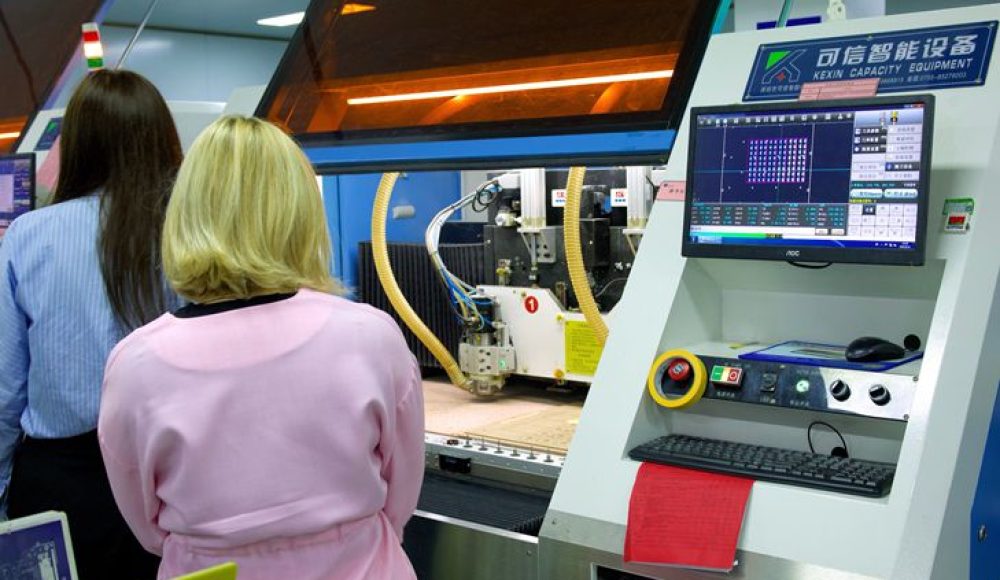
For electronics OEMs, PCB delivery delays can affect more than a production schedule. A late batch of printed circuit boards may postpone component assembly, functional testing, customer qualification, or the launch of an entire electronic product.
Many purchasing teams focus on the quoted fabrication lead time. However, the time between submitting a request for quotation and receiving usable boards includes several activities that may not appear in the original estimate.
Engineering clarification, material availability, production scheduling, fabrication complexity, inspection requirements, and transportation can all influence delivery.
Understanding these factors allows OEMs to plan more accurately and communicate realistic schedules to customers.
This guide explains how to manage PCB Manufacturing lead times without compromising technical requirements or production quality.

Understand the Difference Between Quoted and Total Lead Time
A supplier’s quoted lead time may refer only to the fabrication period after engineering approval and material readiness.
The complete project timeline is often longer.
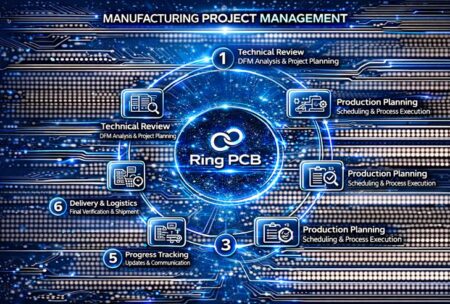
Before production begins, the manufacturer may need to review Gerber files, confirm stackup specifications, check material availability, and resolve technical questions.
After fabrication, boards may require final inspection, packaging, and transportation.
For projects that include PCBA services, component procurement and assembly scheduling introduce additional dependencies.
OEMs should therefore distinguish fabrication lead time from total project lead time.
A useful quotation should identify when the production clock begins and which activities are included.
Engineering File Clarifications Can Delay Production
Incomplete or inconsistent engineering files are a common source of avoidable scheduling uncertainty.
A PCB manufacturing package should include fabrication data, drill information, board dimensions, layer definitions, material requirements, and relevant technical notes.
For controlled-impedance boards, the approved stackup and impedance requirements should also be available.
Problems arise when different documents contain conflicting information.
For example, a fabrication drawing may specify a different board thickness from the stackup document.
Similarly, unclear solder mask or surface finish requirements may prevent the manufacturer from releasing the job.
The fastest solution is not to skip engineering review.
Instead, OEMs should provide complete files and respond promptly to manufacturing questions.
Material Availability Affects Production Scheduling
Not every PCB laminate is available under the same purchasing conditions.
Common materials may be easier to source, while specialized high-frequency or high-temperature laminates may require additional procurement time.
Board thickness, copper weight, and material grade can also influence availability.
When a project uses an uncommon material, purchasing teams should confirm stock or expected replenishment before committing to delivery dates.
Approved alternatives may improve flexibility, but they must meet the product’s technical requirements.
A material substitution should never be treated as a simple scheduling decision when electrical or thermal performance could change.
Early material confirmation helps prevent delays after engineering approval.
Manufacturing Complexity Changes Processing Time
PCB fabrication involves multiple sequential operations.
Depending on the design, these may include inner-layer imaging, etching, lamination, drilling, plating, solder mask application, surface finishing, and electrical testing.
Complex multilayer boards may require additional lamination or drilling stages.
Advanced via structures, demanding tolerances, or specialized materials can introduce further processing requirements.
Consequently, two boards with similar dimensions may have very different production schedules.
OEMs should avoid assuming that every PCB can follow the same standard lead time.
Instead, they should ask the manufacturer to evaluate the actual fabrication requirements.
Production Capacity and Order Priority Matter
Manufacturing schedules depend on equipment availability, existing orders, process routing, and material readiness.
A factory may have capacity for standard multilayer boards but limited availability for a particular specialized process.
Urgent orders can sometimes be accommodated through adjusted scheduling.
However, quick-turn service should not be assumed until the manufacturer confirms feasibility.
Buyers should communicate the required delivery date during quotation rather than after placing the order.
Providing a realistic forecast for recurring orders can also help the supplier plan production capacity.
This is particularly useful for OEMs with predictable monthly or quarterly demand.
Avoid Uncontrolled Changes After Production Release
Engineering changes can disrupt a PCB manufacturing schedule.
A revision involving hole dimensions, layer connections, material requirements, or board geometry may require updated fabrication data and a new technical review.
If the change occurs after production begins, some materials or work-in-process boards may no longer be usable.
This can increase both cost and lead time.
OEMs should establish a formal revision release process before approving fabrication.
When changes are necessary, the manufacturer should explain their impact on production status, materials, and delivery.
Clear change control prevents outdated information from entering active manufacturing.
Quality Inspection Must Be Included in the Schedule
Shortening manufacturing time should not mean eliminating required quality checks.
Depending on the PCB, inspection may involve dimensional verification, electrical testing, impedance measurement, visual inspection, or other agreed procedures.
IPC-6012F provides an industry reference for rigid printed board qualification and performance.
However, specific acceptance requirements should be defined according to the project.
OEMs should confirm whether additional reports, special inspections, or customer-specific documentation affect delivery.
Planning these activities before production helps avoid unexpected delays at the final release stage.
Coordinate PCB Fabrication With PCBA Scheduling
For projects requiring assembled boards, PCB delivery is only one part of the schedule.
Components, stencils, assembly programs, fixtures, and testing instructions must also be ready.
A finished PCB batch provides little scheduling benefit if critical components are unavailable.
Therefore, PCB fabrication and component sourcing should be planned in parallel where practical.
A coordinated manufacturing service can review these dependencies before confirming an overall delivery plan.
OEMs should identify which activities can proceed concurrently and which require completion of earlier stages.
This improves schedule visibility without relying on unrealistic production shortcuts.
Build a Practical PCB Delivery Plan
An effective delivery plan should begin before the purchase order is issued.
OEMs can reduce uncertainty by confirming manufacturing files, critical materials, expected quantities, and acceptance requirements early.
For recurring products, forecast information may help suppliers plan capacity and procurement.
Projects with fixed customer deadlines may benefit from agreed milestone reviews.
These can include engineering approval, material readiness, fabrication completion, inspection release, and shipment.
The purpose is not to create unnecessary administration.
It is to identify potential delays while corrective action is still possible.
PCB Manufacturing and Delivery Coordination With Ring PCB
Reliable PCB delivery depends on engineering preparation, material planning, controlled fabrication, and clear communication.
Ring PCB supports OEM customers through PCB manufacturing, multilayer and high-frequency PCB fabrication, DFM review, component sourcing, SMT and THT assembly, and integrated PCBA services.
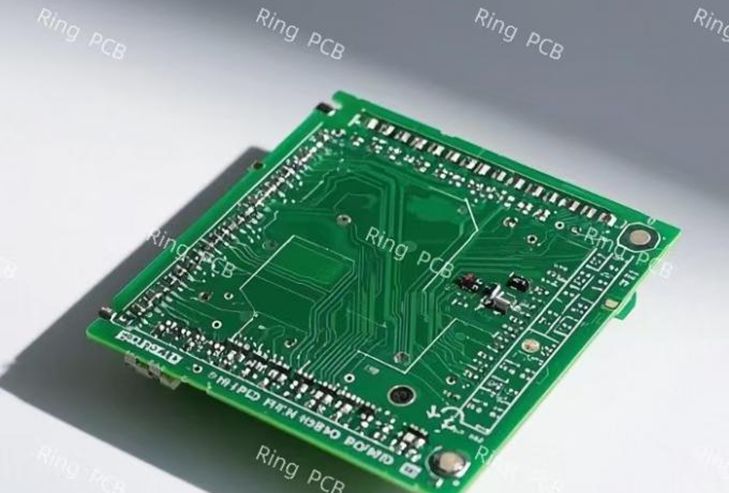
For projects with demanding delivery schedules, early review of manufacturing files and material requirements can help identify potential constraints before production begins.
To request a quotation, provide your Gerber files, stackup information, quantities, technical requirements, and target delivery date.
Contact rfq@ringpcb.com to discuss PCB manufacturing and assembly requirements.
References
- IPC. Recently Released IPC Standards and Documents. Information on IPC-6012F and rigid printed board performance requirements.
- IPC. Electronics Industry Demand Holds Steady Amid Tariff Turbulence. May 2025.
- Ring PCB. PCB and PCBA Manufacturing Services.