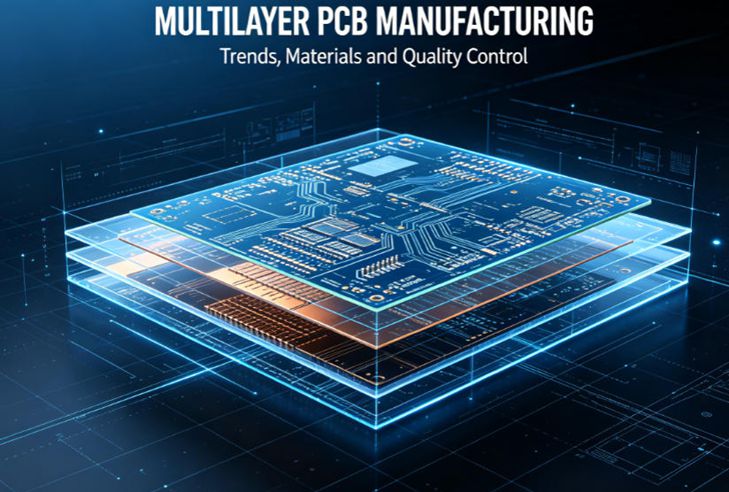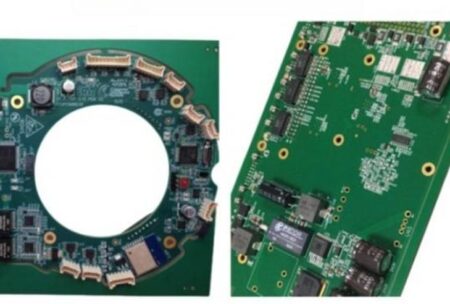
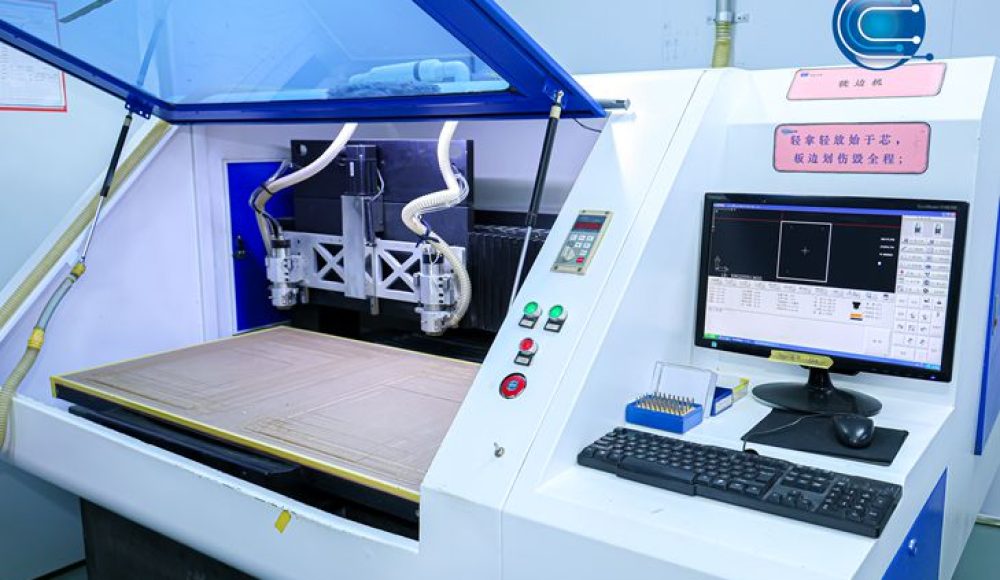
The global PCB market size will hit 85–90 billion USD in 2026. Driven by AI servers, industrial control, EV electronics and communication hardware, demand for multilayer and high-precision PCB keeps rising. However, many B2B buyers are troubled by recurring issues: unexpected board defects, unstable delivery cycles and inconsistent quality between prototype and mass production. Good PCB manufacturing management directly impacts your whole product launch schedule and after-sales risk.
Main PCB Defects That Hurt Your Project
Many PCB failures come from tiny process errors. Etching undercut, misregistration in multilayer lamination, microvia cracks and poor solder mask adhesion are the most common defects. For industrial or automotive PCBs, these hidden defects may not show up in lab tests, but lead to field failure after long-term temperature cycling.
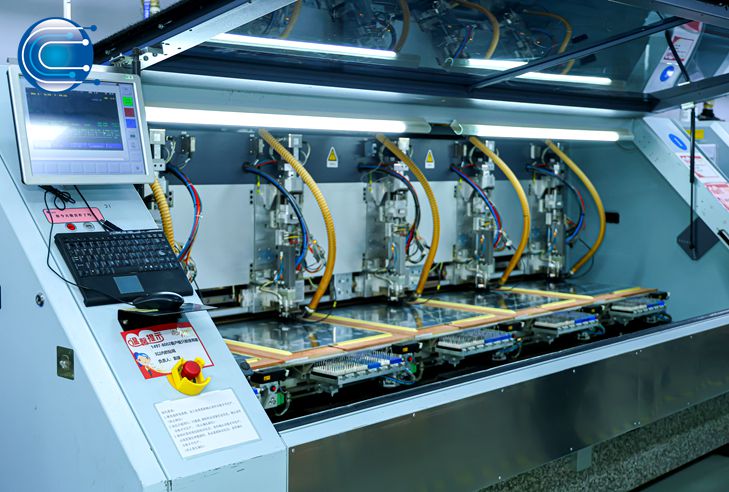
In addition, improper surface finishing can cause assembly problems. Poor immersion silver or gold plating may lead to bad solder joints during SMT assembly. Therefore, quality inspection cannot only rely on final AOI; checks must run through each production stage.
Modern Manufacturing Technologies Boost PCB Consistency
Automated production lines and AI-powered optical inspection have become standard for reliable PCB manufacturing. mSAP process helps fabricate ultra-fine traces for HDI boards, while laser drilling enables accurate microvia fabrication for high-density multilayer designs.
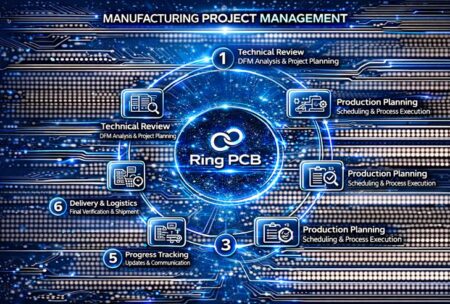
Moreover, stackup design review before manufacturing is a critical step. An experienced PCB manufacturer will check your Gerber files for manufacturability, such as trace width, annular ring, hole size and layer stack. This DFM (Design for Manufacturability) review catches risks before production starts and saves unnecessary prototype cost.
How Material Shortage Changes PCB Manufacturing in 2026
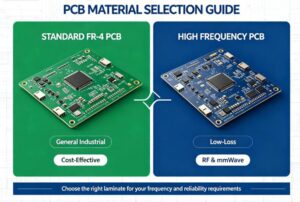
High-grade CCL and resin supply remains constrained in 2026. AI server projects consume large amounts of high-performance laminates, squeezing capacity for industrial and telecom PCB orders. Many suppliers cannot guarantee fixed lead times.
Smart procurement strategies include separating prototype and mass production orders, confirming material allocation in advance, and reserving production slots for batch orders. Working with a factory with stable raw material sourcing will reduce the risk of sudden price increases or delivery delays.
Quality & Compliance Standards You Should Verify
Reliable PCB manufacturing must follow IPC standards, and meet RoHS, REACH requirements for global shipment. For high-reliability industries like industrial control, additional thermal cycling and thermal shock testing are recommended to verify board durability under harsh operating environments.
Ring PCB delivers standardized PCB manufacturing services from rapid prototyping to volume orders. We implement multi-stage AOI and electrical testing, follow strict IPC specifications and maintain stable material supply. Our DFM review helps customers eliminate manufacturing risks early, supporting industrial, telecommunication and RF PCB requirements.
Submit your Gerber files and project requirements to rfq@ringpcb.com to get your PCB manufacturing quotation.