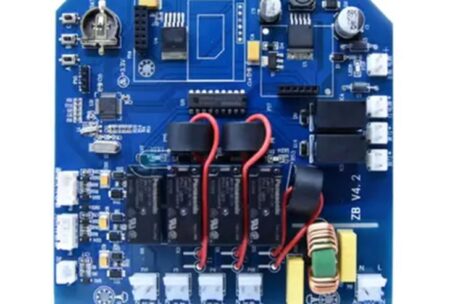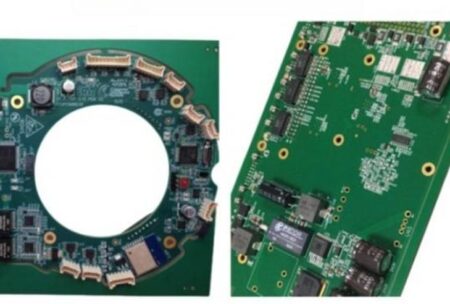
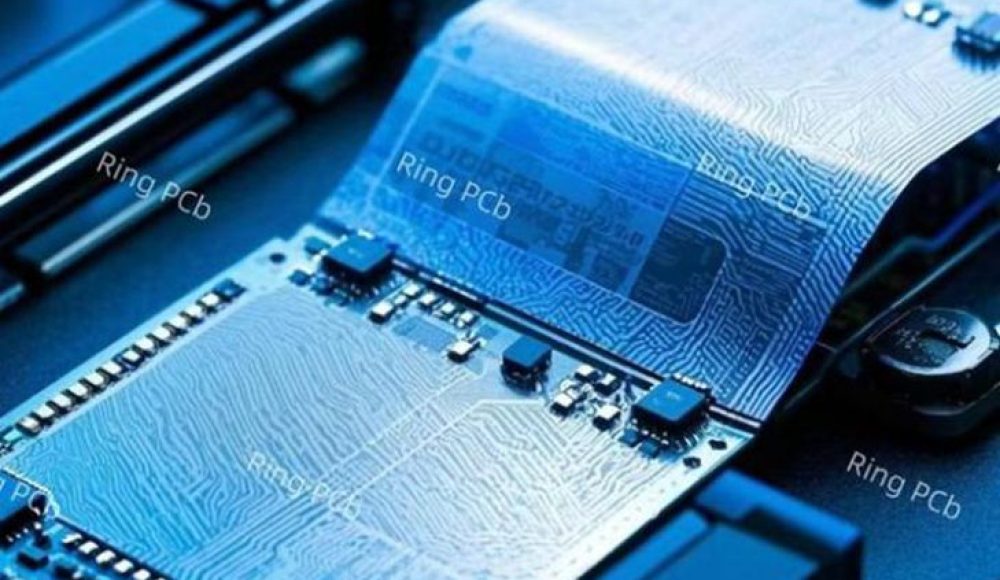
When electronic devices become smaller, more complex, and harder to assemble, traditional circuit boards often create problems with limited space, connection reliability, and mechanical flexibility. Rigid-flex PCB technology solves these challenges by combining rigid FR4 sections with flexible polyimide circuits, allowing you to achieve compact designs with improved durability and signal performance.
For industrial electronics, medical equipment, automotive control systems, and precision devices, choosing the right rigid-flex PCB manufacturer is essential. Ring PCB provides customized PCB fabrication and turnkey PCBA services, helping you move from prototype development to stable mass production with professional engineering support.
What Is a Rigid-Flex PCB?
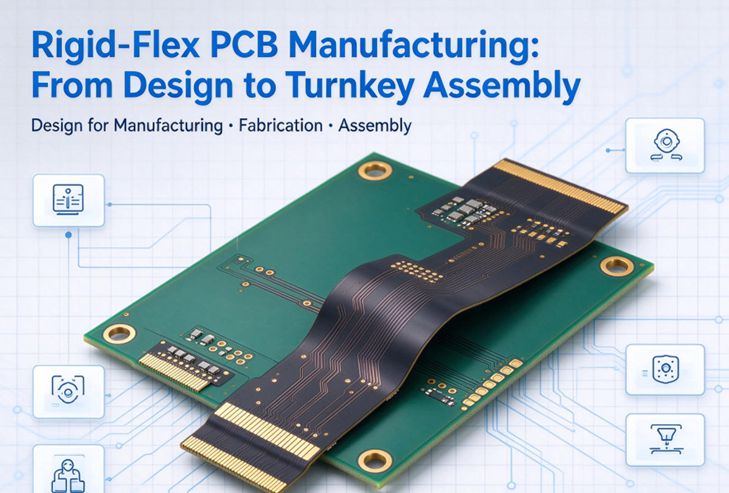
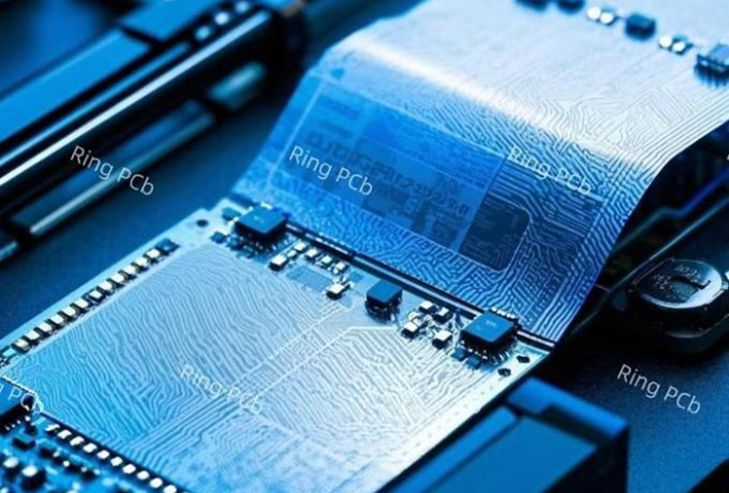
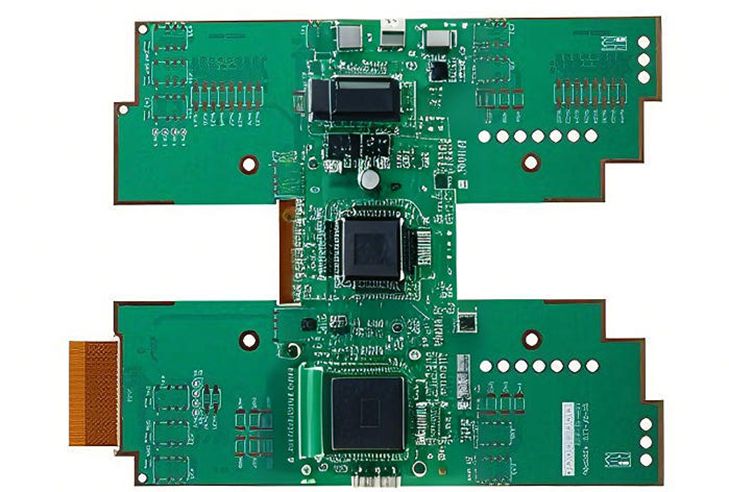
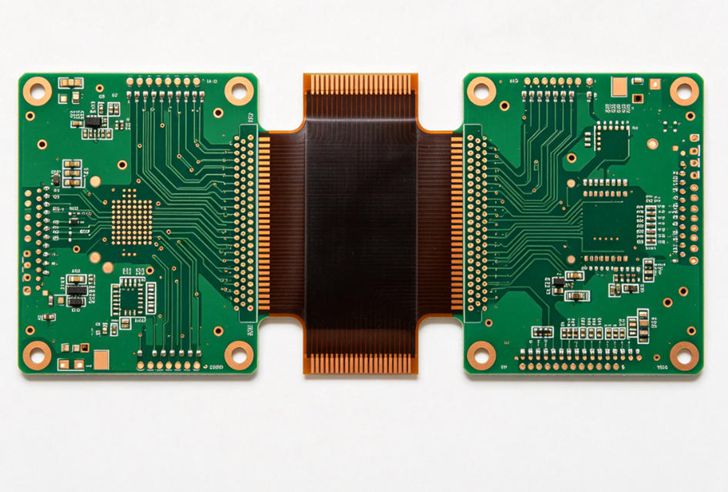
A rigid-flex PCB is a hybrid printed circuit board that integrates rigid PCB layers and flexible circuit areas into one structure. Unlike traditional PCBs that require multiple connectors and cables, rigid-flex designs create direct electrical connections between different board sections.
This structure provides several advantages for modern electronic products:
- Reduced connectors and assembly complexity
- Better signal integrity and reliability
- Flexible 3D installation capability
- Improved resistance to vibration and mechanical stress
- More efficient use of limited installation space
Ring PCB manufactures customized rigid-flex circuit boards by combining FR-4 rigid materials with polyimide flexible layers. These solutions are widely applied in industrial automation, automotive electronics, medical devices, aerospace systems, and communication equipment.
Custom 4-Layer Rigid-Flex PCB Manufacturing
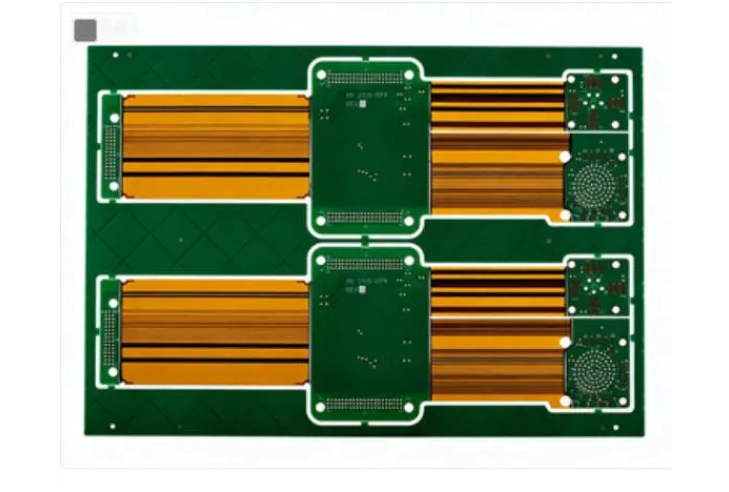
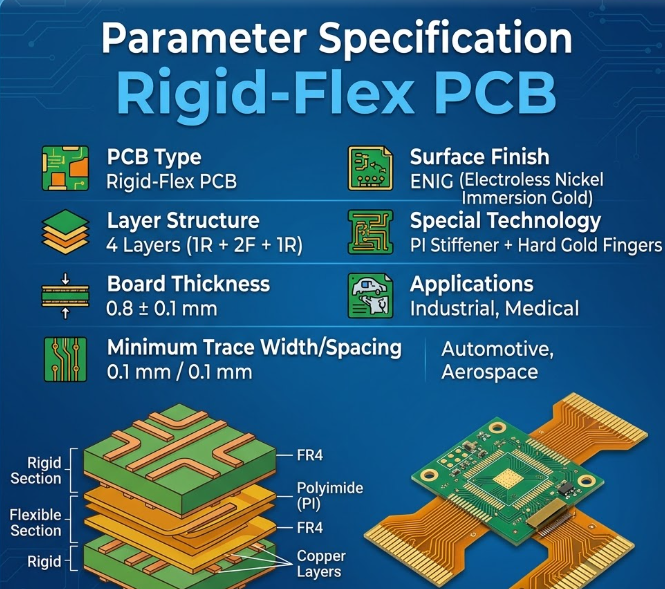
The featured product is a customized 4-layer rigid-flex PCB (1R+2F+1R) designed for industrial applications requiring electrical stability and compact assembly.
This rigid-flex board uses advanced manufacturing technology to support:
- Local coil plating requirements
- Low-resistance inductance control
- ENIG surface finish
- Hard gold fingers
- PI stiffener reinforcement for flexible sections
With a board thickness of 0.8 ± 0.1 mm, minimum trace width and spacing of 0.1 mm / 0.1 mm, and an aspect ratio of 4:1, the PCB meets the requirements of high-density electronic applications.
Technical Specifications
| Parameter | Specification |
|---|---|
| PCB Type | Rigid-Flex PCB |
| Layer Structure | 4 Layers (1R + 2F + 1R) |
| Board Thickness | 0.8 ± 0.1 mm |
| Minimum Trace Width/Spacing | 0.1 mm / 0.1 mm |
| Surface Finish | ENIG |
| Special Technology | PI Stiffener + Hard Gold Fingers |
| Applications | Industrial, Medical, Automotive, Aerospace |
Why Choose Ring PCB for Rigid-Flex PCB Manufacturing?
Manufacturing rigid-flex circuit boards requires precise control of materials, alignment, and mechanical performance. Ring PCB combines 18 years of PCB manufacturing experience with self-operated production facilities to provide reliable electronic manufacturing solutions.
When you work with Ring PCB, you receive:
Advanced Manufacturing Capability
Ring PCB supports:
- 2-48 layer PCB manufacturing
- LDI laser exposure technology
- Vacuum lamination processes
- Flying probe testing
- IPC-6012 Class 3 compliant production
These processes help maintain consistent quality for complex rigid-flex PCB projects.
Full Turnkey PCBA Service
Instead of managing multiple suppliers, you can use Ring PCB’s one-stop PCB and PCBA solution, including:
- PCB fabrication
- Component sourcing
- SMT assembly
- Functional testing
- Quality inspection
The engineering team also provides DFM/DFA optimization to reduce manufacturing risks and improve production efficiency.
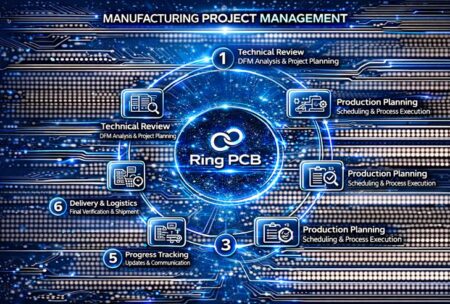
Rigid-Flex PCB Manufacturing Process
A reliable rigid-flex PCB production process requires careful control from design to final inspection.
The typical workflow includes:
- Design Review and DFM Analysis
Engineers review your PCB design, layer structure, material selection, and production requirements. - Material Preparation
FR-4 rigid materials and polyimide flexible materials are prepared according to the product specifications. - PCB Fabrication and Lamination
Multiple layers are precisely aligned and laminated under controlled manufacturing conditions. - Surface Treatment and Assembly
ENIG finishing, component mounting, SMT assembly, and soldering processes are completed. - Testing and Quality Inspection
AOI inspection, electrical testing, impedance testing, and functional verification ensure product reliability.
Rigid-Flex PCB vs Traditional PCB
| Feature | Rigid-Flex PCB | Traditional Rigid PCB |
|---|---|---|
| Mechanical Flexibility | Supports bending areas | Fixed structure |
| Space Utilization | High-density compact design | Requires connectors and cables |
| Reliability | Fewer connection points | More connection interfaces |
| Application | Medical, automotive, industrial electronics | General electronic devices |
| Assembly Complexity | Reduced system assembly | More components required |
Applications of Rigid-Flex Printed Circuit Boards
Rigid-flex PCBs are designed for industries where reliability and compact structures are critical.
Common applications include:
- Industrial automation control modules
- Automotive electronic control systems
- Medical diagnostic equipment
- Aerospace electronics
- High-end communication devices
- Smart control systems
For example, industrial automation equipment often operates under vibration and temperature variations. A rigid-flex PCB reduces wiring connections and improves long-term operational stability.
FAQ
1. What are the advantages of a rigid-flex PCB over a standard PCB?
A rigid-flex PCB combines mechanical strength and flexibility in one board. It reduces connectors, saves installation space, and improves electrical reliability.
2. Can Ring PCB provide turnkey PCBA assembly?
Yes. Ring PCB offers full turnkey PCBA services, including PCB manufacturing, component sourcing, SMT assembly, testing, and quality control.
Conclusion
Choosing the right rigid-flex PCB manufacturer helps you create reliable electronic products with better space efficiency, mechanical flexibility, and long-term performance. With 18 years of PCB and PCBA manufacturing experience, Ring PCB provides customized rigid-flex PCB solutions, from prototype development to full turnkey production.
Through advanced manufacturing processes, professional engineering support, and certifications including ISO9001, IATF16949, and RoHS compliance, Ring PCB helps global customers develop dependable electronic solutions for industrial and high-performance applications.
Contact Ring PCB for Your Rigid-Flex PCB Project
Get professional support for your next PCB project. Contact Ring PCB today for:
- Customized rigid-flex PCB solutions
- Fast prototype production within 7 days
- Turnkey PCBA manufacturing support
- Engineering consultation and quotation assistance