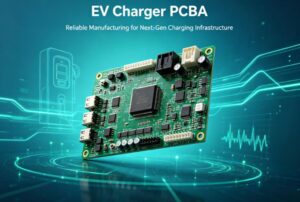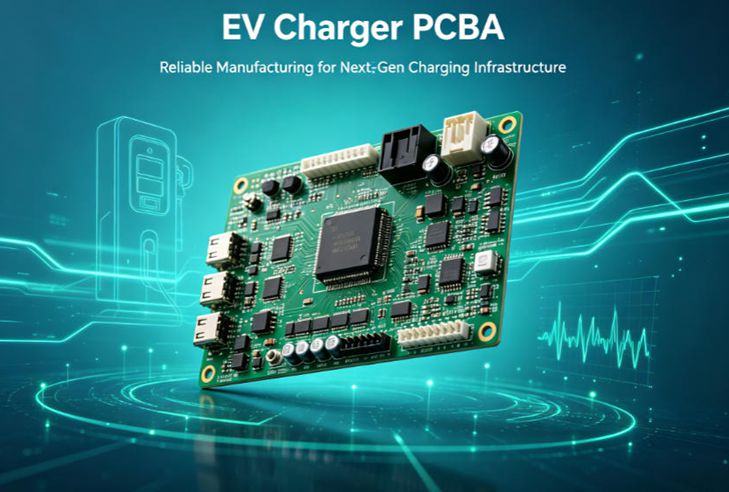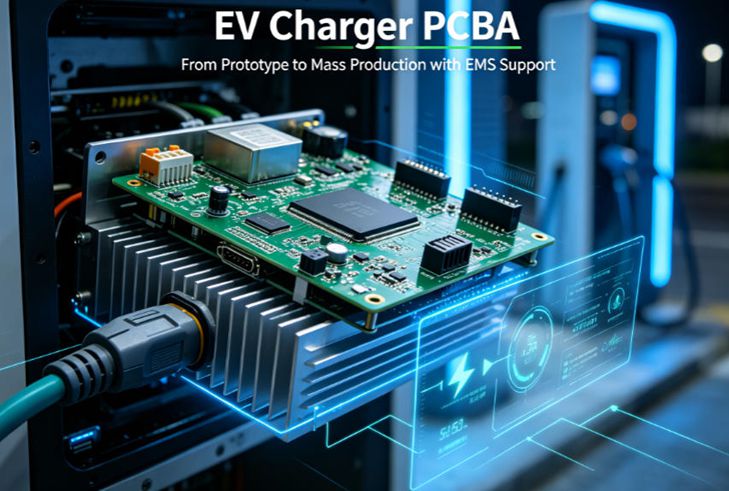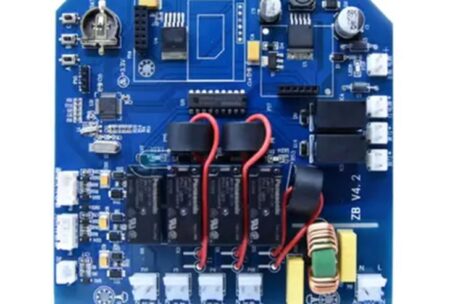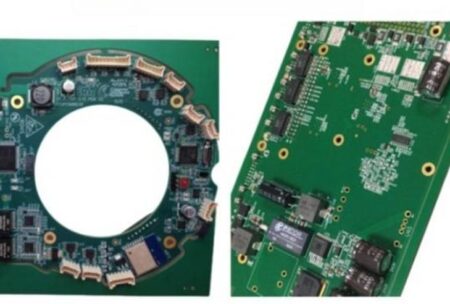
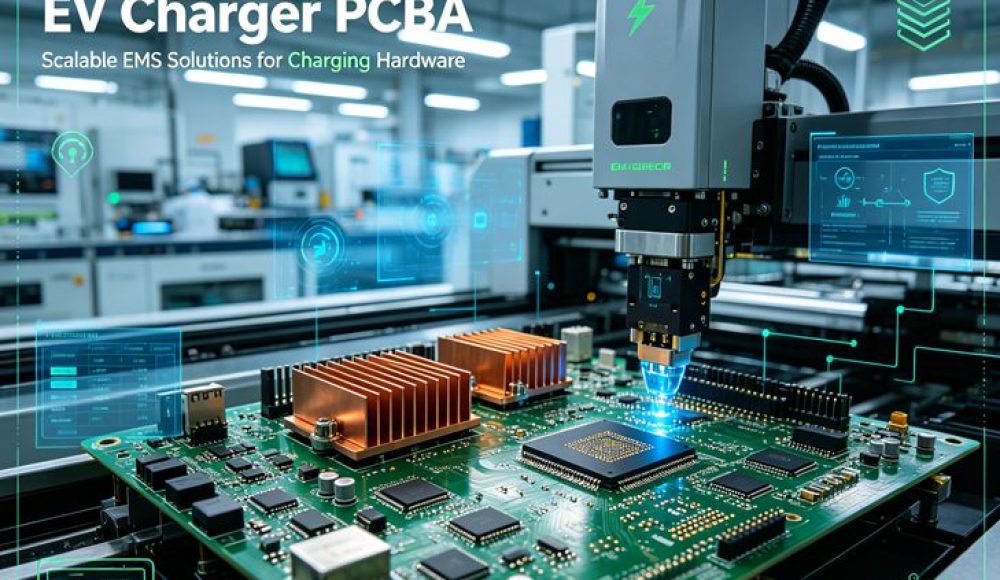
Today’s EV charger products need to satisfy diverse regional safety, EMC and environmental standards when entering international markets. EV charger PCBA, as the core power‑conversion hardware, largely determines whether finished charging stations can pass certification smoothly. Unfortunately, many OEMs experience costly certification failures caused by manufacturing‑related non‑compliance. Compliance‑oriented EMS solutions become a critical advantage for enterprises targeting cross‑border EV‑charging markets.
Manufacturing‑Driven Compliance Risks for EV Charger PCBA
Most developers focus heavily on schematic‑level compliance design, but overlook manufacturing‑introduced risks. For EV charger PCBA, insufficient high‑voltage creepage distance caused by assembly offset, flux residue triggering partial discharge, or inconsistent screw‑torque on power heat sinks will lead to safety‑test failure, even if the original design meets standard requirements.
EMC performance is another frequent pain point. Unsuitable soldering quality, uncontrolled grounding‑layer processing or leftover manufacturing residues can degrade EMC performance, making products fail CE‑EMC or similar tests. Re‑certification will waste multiple months and burn extra engineering budgets, delaying market launch windows.
How EMS Solutions Build Compliance into EV Charger PCBA Manufacturing
Professional EMS providers embed compliance‑related requirements into every production step, instead of only checking finished goods. At the pre‑manufacturing phase, EMS engineers conduct compliance‑oriented DFM audit. They review high‑voltage isolation, clearance and creepage against target‑market standards, and point out layout‑related risks before production.
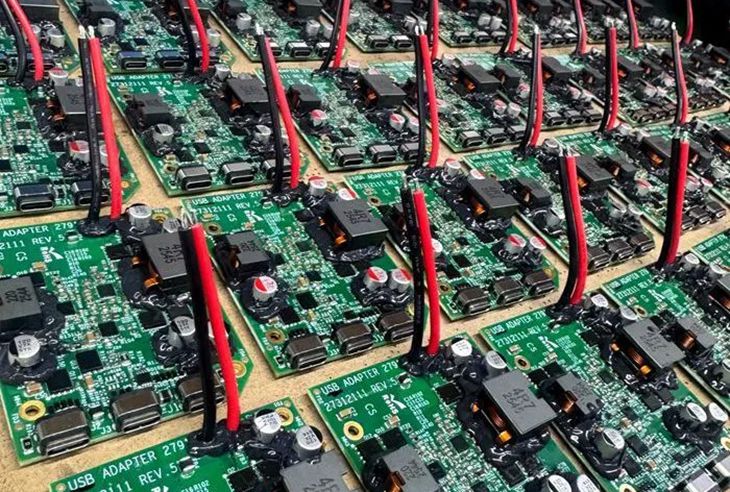
During assembly, standardized process control prevents manufacturing‑induced non‑conformities. For example, controlled torque operation for power‑module mounting, strict cleaning procedures to remove flux residues, and dedicated X‑ray inspection for high‑power components. Before delivery, dedicated compliance‑related tests including hipot test, insulation resistance test and functional full‑load test are executed to verify assembly quality.
Besides, formal documentation output forms an important part of EMS compliance support. Qualified EMS partners can provide complete manufacturing records, test reports and material‑traceability documents, which greatly accelerate third‑party certification progress for global‑market EV charger PCBA.
Key Compliance‑Related Questions to Evaluate Your EMS Partner
When screening EMS suppliers for EV charger PCBA, customers should raise several practical questions. Does the factory hold relevant quality‑system certifications such as IATF 16949 or ISO 9001? Can they provide test reports for similar EV‑charging PCBA projects? Can they offer batch‑traceability records and support pre‑certification sample validation? Avoid partners who cannot provide clear compliance‑process descriptions.
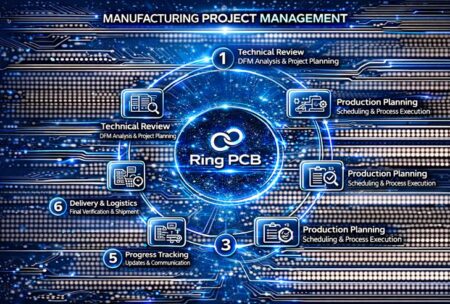
Ring PCB delivers compliance‑focused EMS solutions for EV charger PCBA for worldwide customers. Our in‑house facility follows strict quality‑management systems, integrating DFM compliance review, standardized assembly processes and multi‑item pre‑shipment testing. We support international clients preparing for regional certification requirements for EV‑charging hardware.
Feel free to send your project files and requirements to rfq@ringpcb.com.