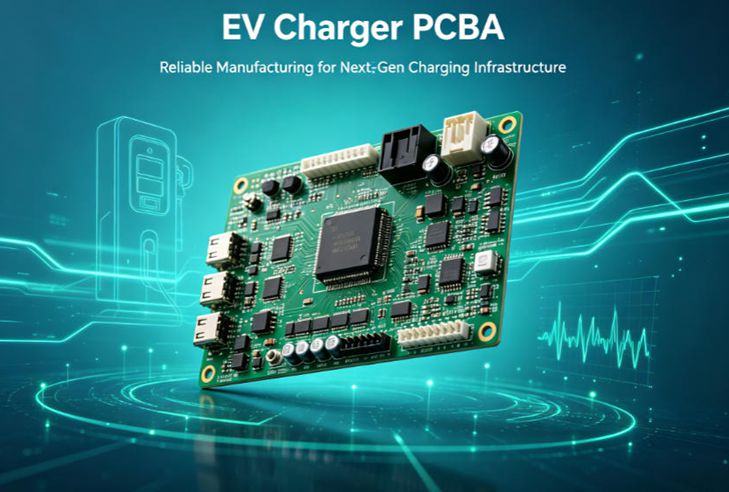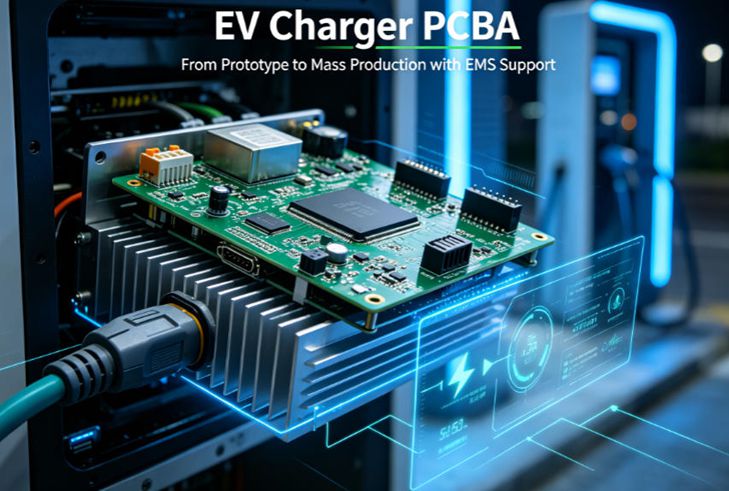
Global EV charging infrastructure continues its rapid expansion. Industry reports forecast the EV charger module market to maintain strong growth through 2030, as governments and private operators invest heavily in residential, commercial and DC fast charging stations. While hardware demand rises, many charger manufacturers face common sourcing headaches: coordinating multiple separate suppliers for PCB fabrication, component procurement, SMT assembly and testing. Fragmented supply chains often trigger miscommunication, quality inconsistency and costly project delays. This is where full turnkey PCBA services deliver clear value for EV charger developers.

What is Full Turnkey PCBA for EV Chargers?
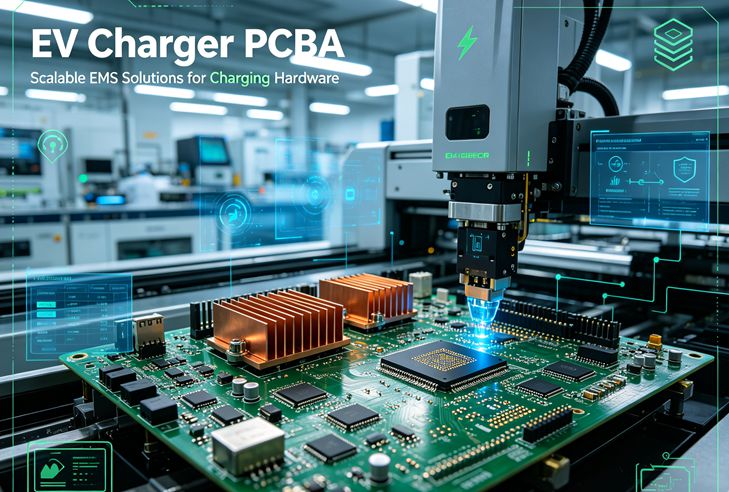
Full turnkey PCBA is an integrated manufacturing model covering the whole workflow from material sourcing, PCB production, SMT and DIP assembly, AOI, X-ray inspection, functional testing to final packaging. Unlike split sourcing, where buyers coordinate 2 or 3 separate vendors, one single supplier manages every step. For EV charging equipment, this unified workflow is critical, as these boards combine high-voltage power circuits, communication modules and safety protection circuits that require tight process alignment.
Core Pain Points of Separated Sourcing for EV Charger PCBA
Many B2B buyers have learned the downsides of splitting orders. First, responsibility is scattered. If thermal voids or soldering defects appear on power boards, the PCB factory and assembly house may shift blame, extending troubleshooting cycles. Secondly, lead times become unpredictable. Component shortages, handover errors and repeated rework easily push prototype or mass production schedules backward. In EV charger projects, delays can cause missed certification windows and lost market opportunities.
In addition, technical gaps emerge between PCB manufacturing and assembly. EV charger PCBA needs thick copper traces, controlled thermal profiles and strict isolation distances. If the PCB fabricator and assembly team do not align process parameters, boards may fail hipot or EMC tests, leading to expensive redesign.
How Turnkey PCBA Accelerates EV Charger Project Timelines
First, DFM review happens at the early stage. Experienced turnkey manufacturers can flag manufacturability risks before mass production, such as copper weight selection, creepage and clearance, and thermal pad layout. This cuts prototype revision cycles. Next, centralized component procurement helps mitigate supply chain volatility, especially for automotive-grade semiconductors and power components widely used in charging hardware.
Moreover, unified quality control reduces rework rates. All inspections, including X-ray for BGA and power device void checking, thermal cycling and high voltage safety testing, are completed under one production roof. Once boards pass all tests, they can ship directly ready for charger assembly. This greatly reduces the time between Gerber release and finished product delivery.
Practical Cost Benefits Beyond Unit Price
Some buyers hesitate over turnkey service, assuming higher upfront cost. However, the total cost of ownership is usually lower. Fewer communication hours, less rework, fewer field failures and simplified supplier management all contribute to savings. EV charger PCBA accounts for a large share of total charger failures; stable assembly reduces after-sales maintenance costs over the product lifecycle.
Partner with Ring PCB for EV Charger Turnkey PCBA
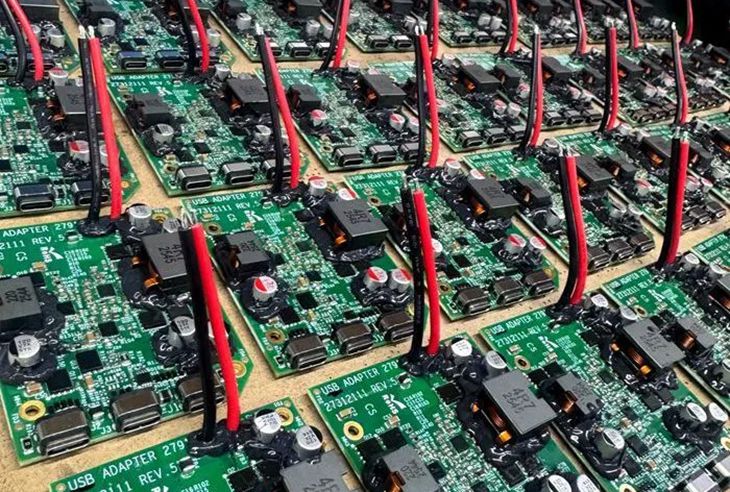
Ring PCB operates a self-owned factory offering full turnkey PCBA services customized for EV charger projects. We handle PCB fabrication, component sourcing, SMT assembly and full electrical & safety testing under one roof. Our engineering team is familiar with high-power, thick copper and conformal coating requirements for outdoor charging equipment. Whether you need small batch prototypes for certification or stable mass production for wallbox and DC charger projects, our team supports flexible MOQ and transparent production updates. We follow ISO9001, RoHS and relevant safety standards to help your EV charger products pass compliance smoothly.
If you are ready to discuss your EV charger PCBA project, share your Gerber files and BOM with us.
Email rfq@ringpcb.com to get your professional quotation.