The ongoing trend of electronic miniaturization has pushed hardware engineers past the limits of conventional rigid PCBs. Many compact devices now require circuits that can fold and fit into irregular enclosures while retaining stable mechanical support for soldered components. This is where rigid-flex PCB technology stands out. According to recent market research, the global rigid-flex PCB market maintains steady growth, fueled by demand from medical wearables, industrial robotics, portable test instruments, and automotive sensor modules.
What Is a Rigid-Flex PCB?
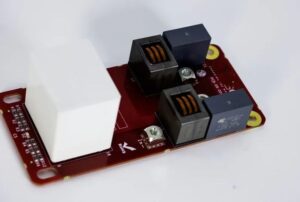
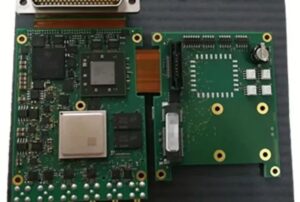
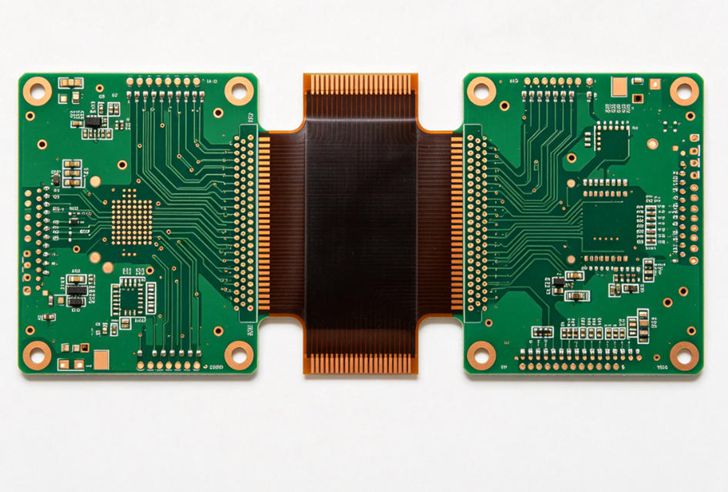
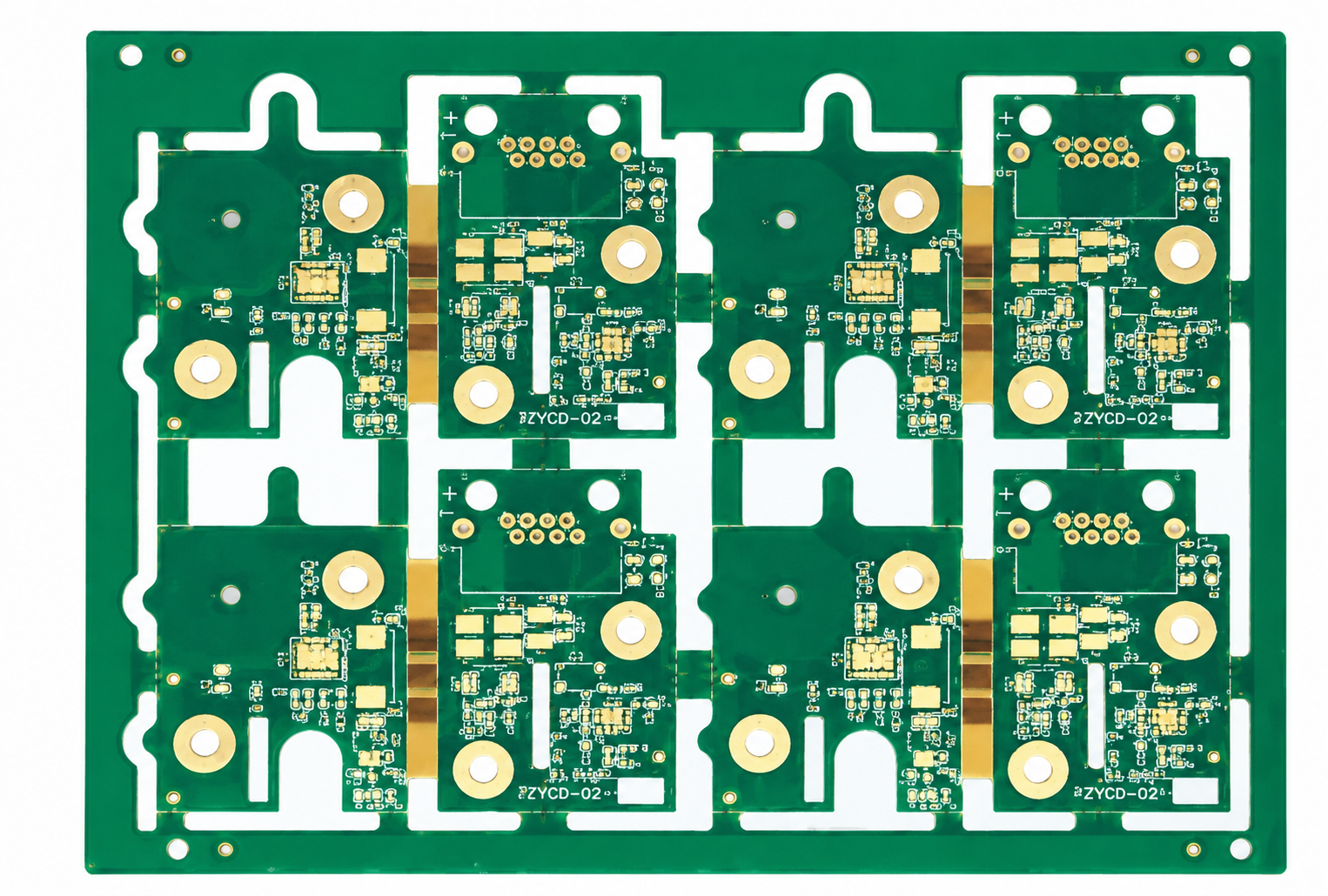
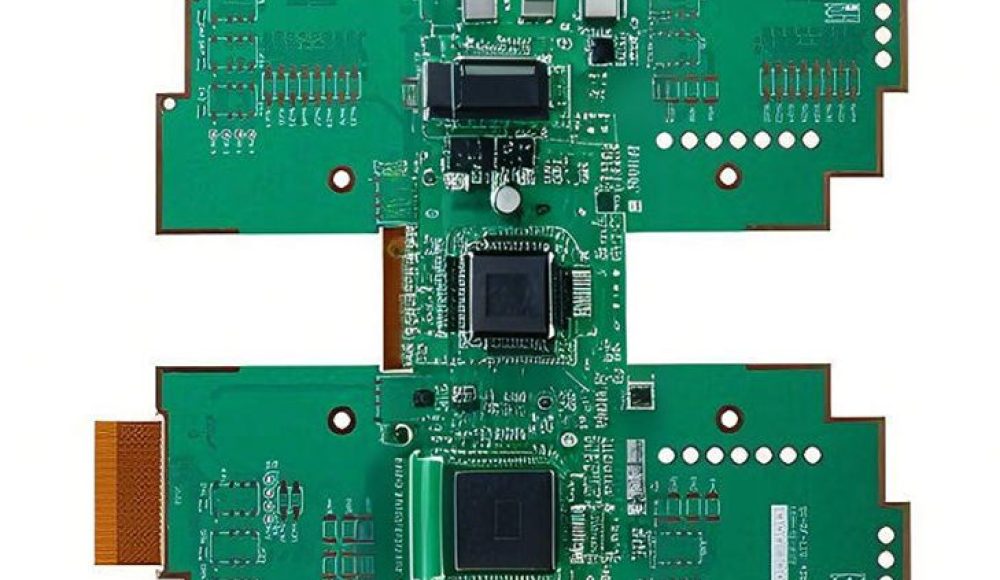
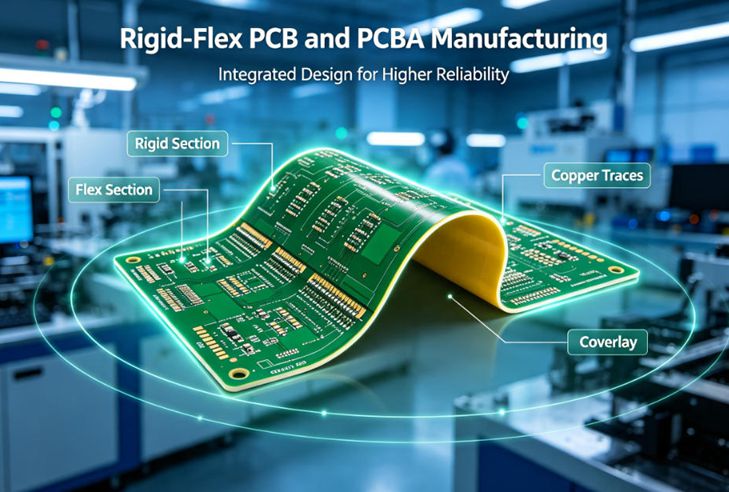
Simply put, a rigid-flex PCB combines rigid FR-4 sections and flexible polyimide layers into one unified circuit. The rigid zones serve as stable platforms for soldering ICs, connectors and passive components. Meanwhile, the flexible segments bend or fold to bridge separate rigid parts. Unlike assemblies made from discrete rigid boards plus flexible cables, rigid-flex removes most external connectors. As a result, it reduces total component count and cuts potential failure points at interconnects.
Core Benefits for Miniaturized Product Design
First of all, rigid-flex PCBs save valuable internal space. Hardware teams can fold the circuit into 3D shapes instead of laying all boards flat. This directly lowers overall device thickness and footprint. In addition, vibration resistance improves greatly. Connectors and wire harnesses often fail under continuous shock or cycling vibration. By integrating rigid and flexible layers monolithically, rigid-flex designs show much higher mechanical endurance. Beyond mechanical advantages, signal integrity also gets a boost. Shorter signal paths reduce parasitic inductance and electromagnetic interference, which is essential for high-speed data transmission in compact electronics. Lastly, total assembly labor can decrease. Fewer separate pieces mean fewer manual assembly steps, lowering human error during mass production.
Key Pitfalls During Rigid-Flex PCB Manufacturing
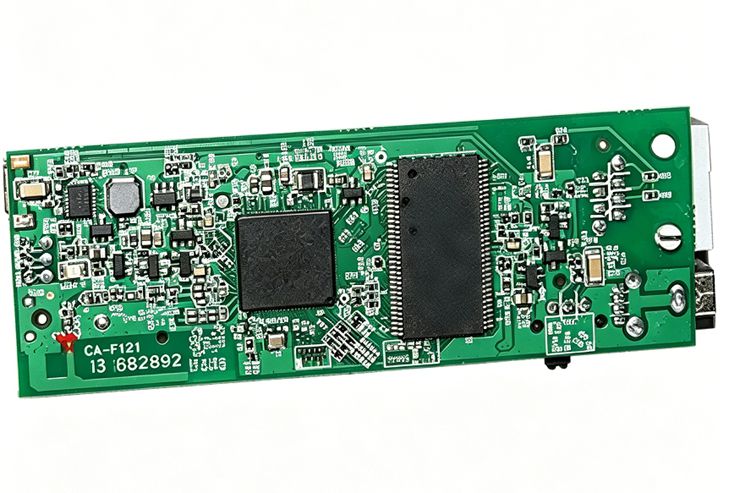
Even though rigid-flex delivers impressive advantages, its PCB manufacturing process is far more complex than standard rigid boards. To start with, material selection matters a lot. Polyimide films, bonding adhesives, and copper foils must all withstand repeated bending, thermal cycling, and high-temperature soldering. Wrong laminate choices lead to cracking or delamination at the rigid-flex transition zone. Next, lamination stacking requires tight tolerance control. Misalignment between layers will cause open circuits or impedance mismatch. Cleanroom production environments and precise laser drilling are mandatory for high-yield runs. Moreover, bend area layout is critical. Bending regions cannot place vias or copper traces with sharp angles. If the layout ignores bending stress, the flexible copper traces will crack after repeated folding cycles. As a consequence, yield control remains the biggest challenge for many PCB manufacturers, especially for multi-layer rigid-flex structures.
Balancing Performance, Lead Time and Budget
For OEM teams, one common concern is cost. Rigid-flex PCB manufacturing carries a cost premium compared to rigid PCBs. Therefore, engineers often perform trade-off analysis early: whether the reliability and space gains justify the extra fabrication expense. Working closely with your PCB manufacturer at the DFM review stage helps control both cost and lead time. Early feedback can adjust stack-up, bend radius rules and layer count before entering prototyping.
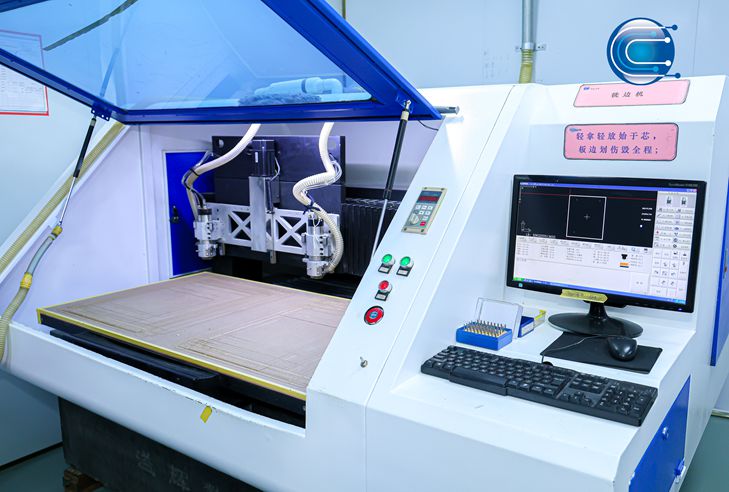
When sourcing custom rigid-flex circuits, it pays to partner with a factory that masters the full PCB manufacturing workflow. Ring PCB operates its own factory with mature rigid-flex production lines. Our engineering team reviews stack-up, transition zone design and bend requirements carefully during DFM checks. We support prototype validation and scaled batch production for industrial, medical and automotive projects, with strict IPC-compliant quality testing for every lot.
If you are developing miniaturized hardware and exploring rigid-flex solutions, feel free to share your stack-up and specs. Send your requirements to rfq@ringpcb.com.