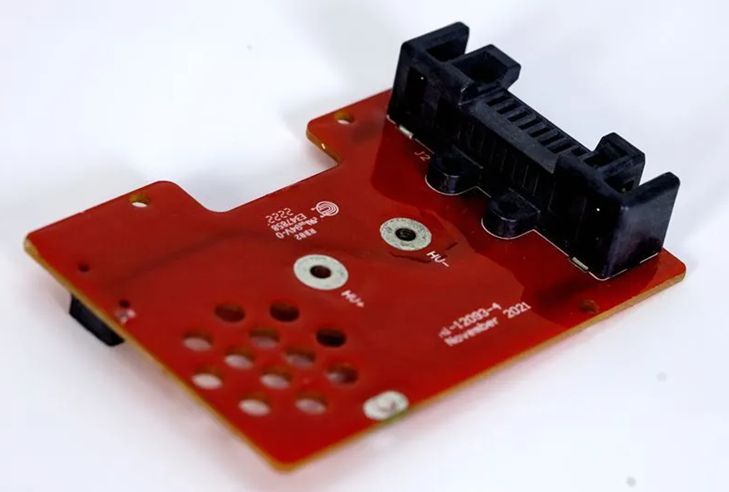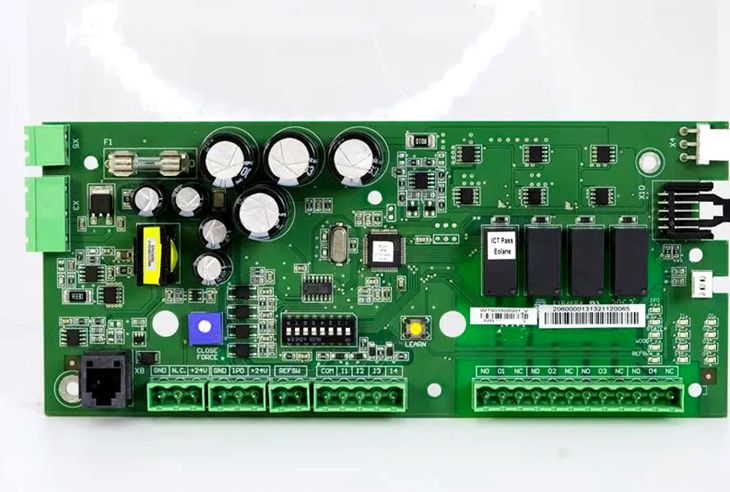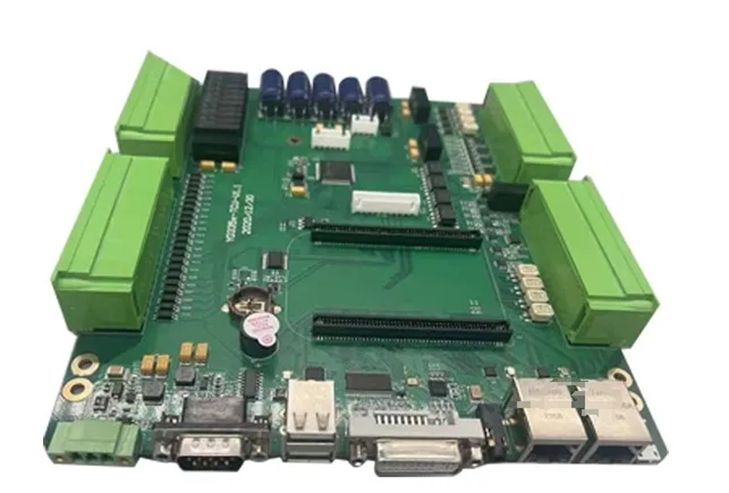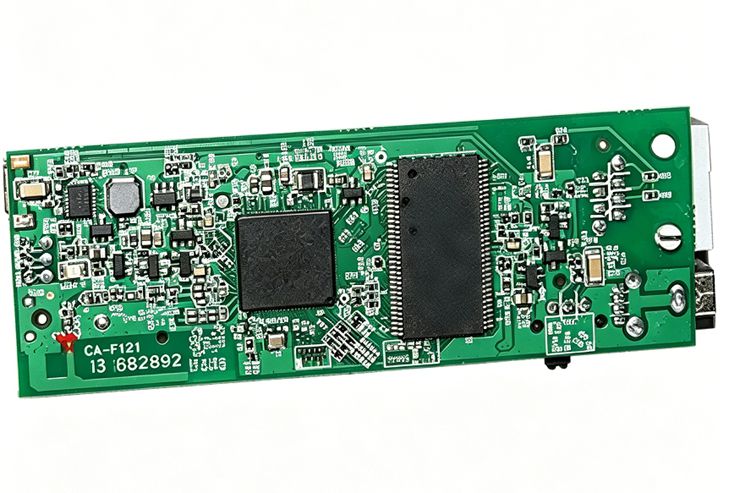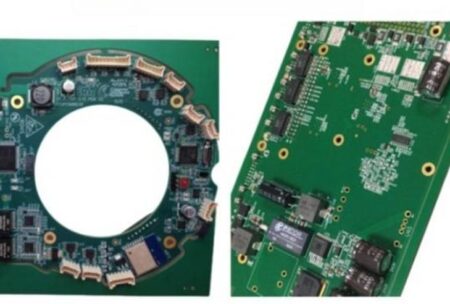
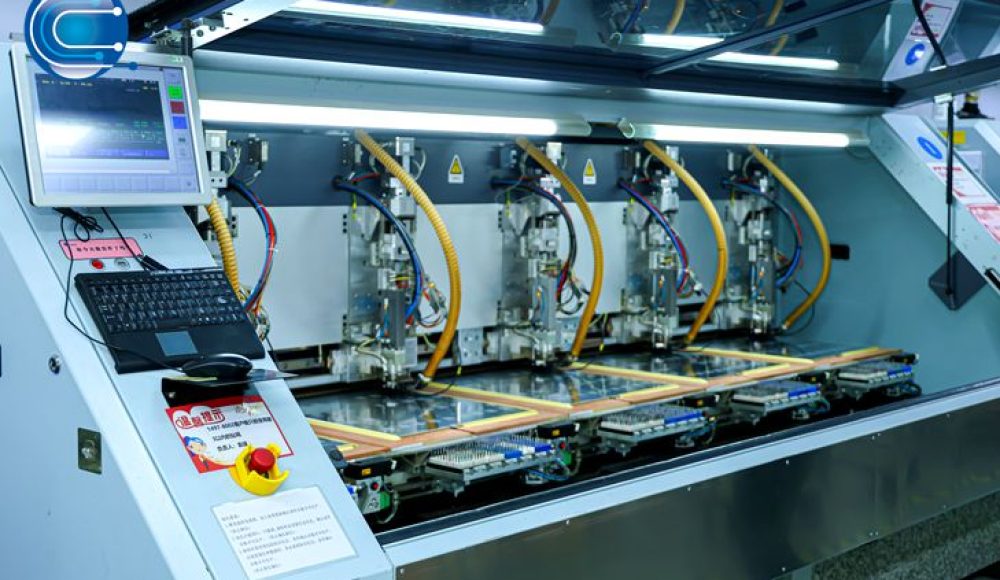
Electronics manufacturing is entering a period in which PCB complexity, semiconductor performance, supply-chain risk, and manufacturing data are becoming increasingly interconnected.
For OEMs, this changes how PCB and PCBA suppliers should be evaluated. Cost and lead time remain important, but they are no longer enough. Engineering collaboration, advanced assembly capability, inspection, traceability, sourcing resilience, and scalable production are becoming equally important factors.
Here are several PCB and PCBA manufacturing trends that engineering and procurement teams should watch.
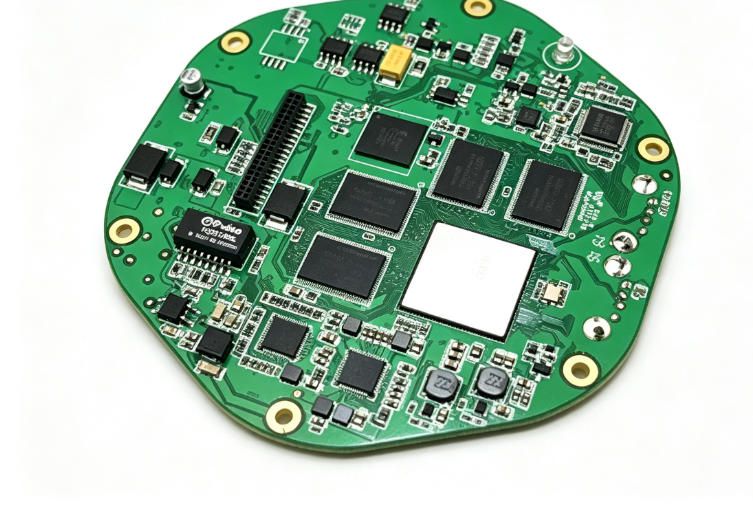
1. AI Is Driving More Demanding Electronics Hardware
Artificial intelligence is often discussed as a software trend, but its hardware impact is substantial.
SEMI reported that worldwide semiconductor manufacturing equipment billings reached $40.53 billion in the second quarter of 2026, up 23% year over year. SEMI also forecasts 2026 semiconductor test equipment sales to rise 31% to $15.3 billion, while assembly and packaging equipment sales are projected to grow 9.6%.
Behind those numbers is a broader shift toward greater computing density, advanced memory, high-speed interconnects, sophisticated packaging, and more demanding test requirements.
For PCB manufacturers and EMS providers, this trend means that advanced electronics increasingly require tighter process control rather than simply higher production capacity.
2. PCB and Package Integration Is Becoming More Complex
Modern electronics are forcing designers to think beyond individual components.
High-performance computing, 5G/6G, autonomous vehicles, EVs, medical electronics, and aerospace systems all create new requirements around power delivery, thermal management, signal integrity, materials, and reliability.
IPC’s work on advanced packaging and board-level integration specifically identifies these areas as major challenges for future electronics manufacturing.
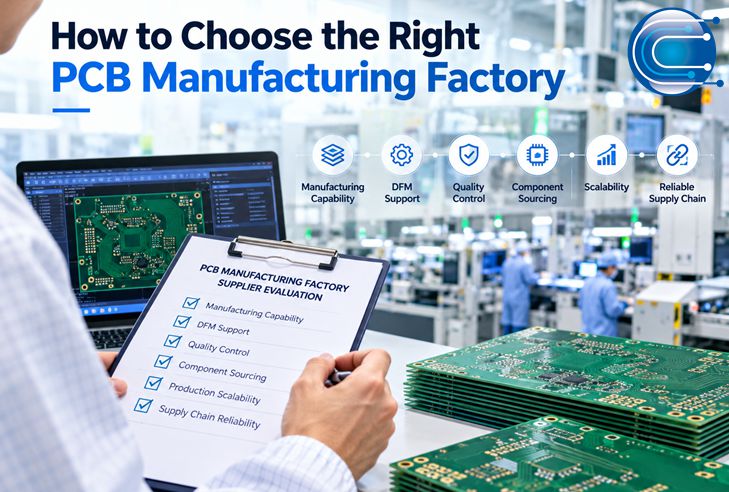
For OEMs, supplier evaluation should therefore include questions about multilayer stackups, HDI, controlled impedance, fine-pitch components, BGA assembly, thermal design, via structures, material selection, and inspection capability.
The more complex the design, the more important communication between the PCB fabrication and PCBA engineering teams becomes.
3. DFM Is Moving Earlier in the Product Lifecycle
Historically, some companies treated manufacturing review as the final step before releasing production files.
That approach is increasingly risky.
A design can function perfectly in simulation yet still be expensive or difficult to manufacture repeatedly. Trace spacing, drill structures, panel utilization, solder mask geometry, component orientation, thermal pads, test-point access, and assembly clearances can all influence production yield.
Therefore, DFM, DFA, and DFT are moving earlier into NPI workflows.
The benefit is practical: engineering problems discovered before tooling and material purchasing are usually easier to correct than problems discovered after assembled boards fail inspection.
OEMs should involve their PCB and PCBA manufacturing partner before the design is completely frozen whenever possible.
4. Inspection Is Becoming Smarter
Inspection technology is also evolving.
AOI has long been a core tool for detecting component placement and soldering defects. However, IPC has highlighted the growing potential of AI-based AOI using computer vision, deep learning, and edge computing to improve inspection accuracy and efficiency.
At the same time, increasingly complex packages make multiple inspection methods necessary.
SPI can evaluate solder paste before component placement. AOI can identify visible assembly defects. X-ray can inspect hidden solder joints beneath BGA and QFN packages. Electrical and functional testing can then determine whether the board operates as intended.
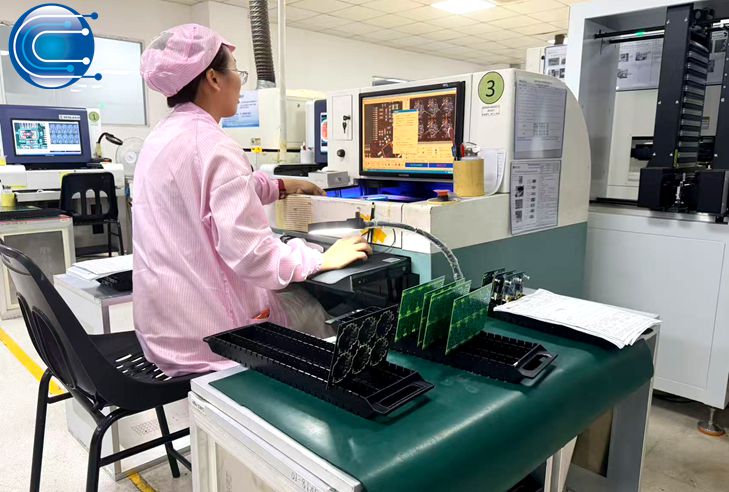
For B2B customers, the important question is not “Does the factory have AOI?” It is “What inspection and test strategy will be used for my specific product?”
5. Manufacturing Data and Traceability Matter More
Smart manufacturing is another important development.
IPC’s Factory of the Future initiative emphasizes connected manufacturing, data analytics, traceability, and standardized communication between production equipment and host systems.
This reflects a broader industry direction: manufacturing data is becoming part of quality management.
When defects occur, customers increasingly expect manufacturers to trace materials, production batches, assembly processes, inspection results, and corrective actions.
This is particularly important for industrial, automotive, medical, communications, and other applications where reliability requirements are high.
Therefore, traceability should be discussed during supplier qualification rather than after a field failure.
6. Supply-Chain Resilience Remains a Purchasing Priority
Technology is advancing, but procurement challenges have not disappeared.
Recent electronics-industry surveys have continued to highlight material-cost pressure and trade uncertainty. At the same time, demand in important electronics sectors remains substantial.
This combination makes sourcing flexibility critical.
OEMs should review component lifecycle status, lead times, approved alternates, minimum order quantities, inventory exposure, and sourcing channels before releasing volume orders.
Full-turnkey manufacturing can help when component procurement is connected directly with engineering and production planning. For example, if a component becomes unavailable, the sourcing and engineering teams can evaluate an approved alternative before it disrupts the assembly schedule.
7. Flexible Production Is Becoming a Competitive Advantage
Demand is not always predictable.
A startup may need ten engineering prototypes, then several hundred pilot units, followed by thousands of production boards. An established OEM may operate high-mix, low-volume programs with frequent revisions. Another customer may need stable repetitive mass production.
As a result, flexibility across prototype, NPI, low-volume, high-mix, and volume manufacturing is increasingly valuable.
Using the same manufacturing partner across these stages can also reduce knowledge loss during production transfer.
What These Trends Mean for OEMs
The direction of the industry is clear: PCB fabrication, component sourcing, assembly, testing, quality control, and manufacturing data are becoming more interconnected.
As electronics grow more complex, OEMs benefit from selecting manufacturing partners based not only on what they can produce today, but also on how effectively they can support engineering changes, sourcing risks, inspection requirements, and future production growth.
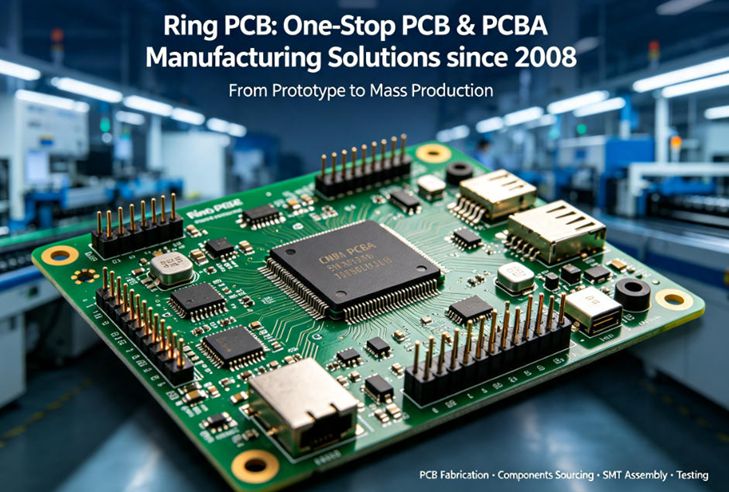
Ring PCB supports this integrated approach through PCB fabrication, component sourcing, SMT and THT assembly, inspection, testing, engineering support, and full-turnkey electronics manufacturing. With production support ranging from prototypes and flexible small batches to scalable volume manufacturing, the objective is to help customers move from design validation into stable production through a coordinated manufacturing workflow.
To discuss a new PCB or PCBA project, send your Gerber files, BOM, drawings, quantities, and technical requirements to rfq@ringpcb.com.