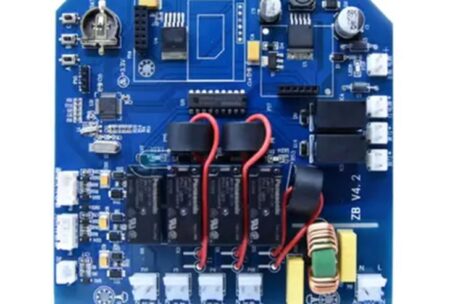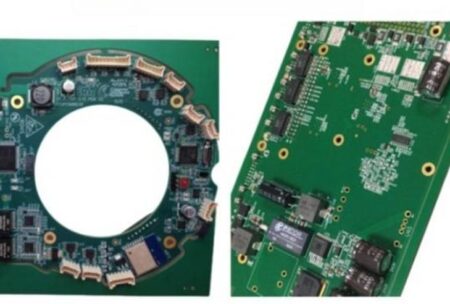
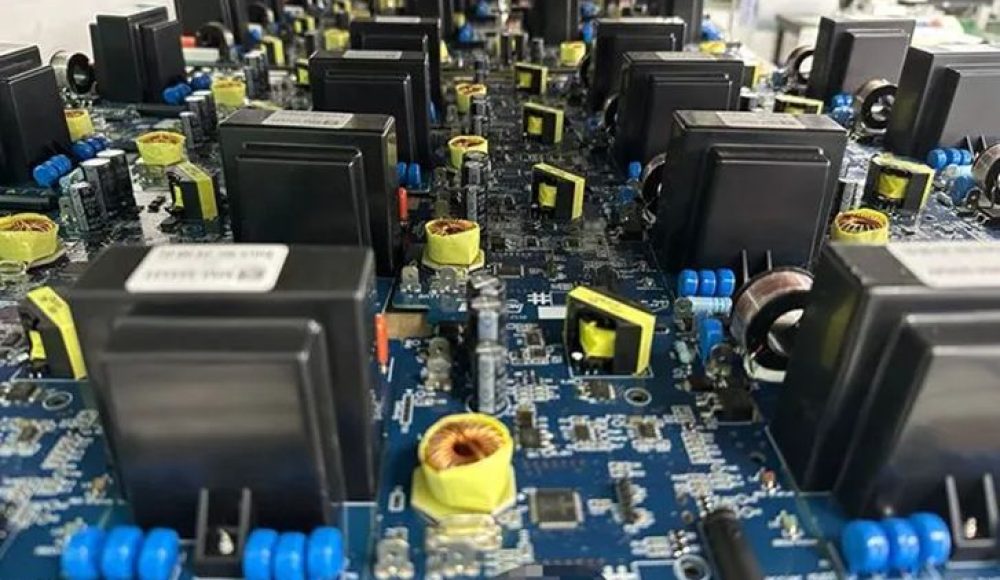
For communication equipment OEMs, moving from a working prototype to a reliable production assembly is often more difficult than expected. A networking module may pass laboratory tests, yet its first production batch may encounter component shortages, assembly defects, firmware inconsistencies, or unexpected testing costs.
These problems are especially challenging for companies manufacturing industrial routers, wireless gateways, specialized communication controllers, and other high-mix, low-volume electronics.
Unlike high-volume consumer products, these projects may involve frequent engineering changes, multiple configurations, and uncertain demand.
Consequently, Low-Volume PCB Assembly should be treated as a structured manufacturing strategy rather than simply a smaller production order.
A capable PCBA Manufacturer can help OEMs establish the documentation, sourcing, testing, and process controls needed to move from prototype validation to repeatable production.
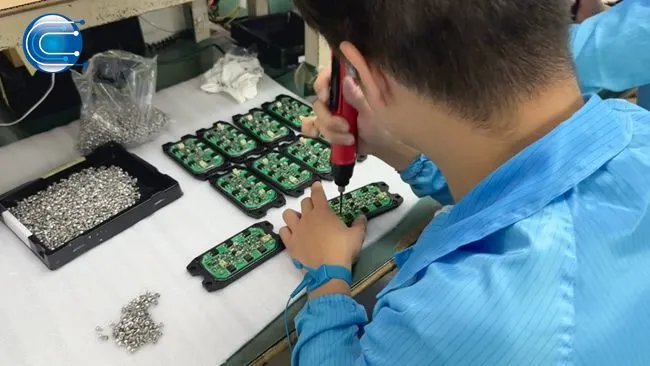
Why Low-Volume Manufacturing Matters for Communication Equipment
The communication industry continues to evolve rapidly.
Ericsson’s June 2026 Mobility Report reported approximately 3.1 billion global 5G subscriptions in the first quarter of 2026 and forecast 6.4 billion by 2031.
These figures reflect expanding connectivity, but communication equipment markets remain diverse.
Some OEMs manufacture standardized products in large quantities, while others develop specialized gateways, industrial networking devices, and application-specific communication modules.
For the latter group, flexibility may be more valuable than maximum production capacity.
Small-batch manufacturing allows companies to validate demand, support customer-specific configurations, and manage engineering changes without committing to excessive inventory.
However, this flexibility must be supported by controlled production processes.
Define the Purpose of Each Prototype Build
Not every prototype should have the same objective.
An early engineering prototype may focus on circuit functionality and component selection.
A later design-validation build may evaluate thermal performance, communication interfaces, mechanical fit, and environmental requirements.
A production-oriented prototype should also examine assembly feasibility, test access, and manufacturing repeatability.
Clearly defining the purpose of each build helps prevent unnecessary costs.
For example, a prototype intended only for firmware development may not require the same tooling and inspection coverage as a pilot batch prepared for customer qualification.
Before requesting PCBA prototyping, OEMs should identify the questions the build must answer.
Prepare a Complete Manufacturing Data Package
Incomplete manufacturing files are a common cause of quotation delays and production misunderstandings.
A typical communication PCBA data package should include Gerber or ODB++ files, drill data, BOM, component placement files, assembly drawings, and relevant technical specifications.
Additional information may include PCB stackup requirements, controlled impedance targets, programming instructions, and functional test procedures.
The files should share a consistent revision identifier.
A BOM referencing an outdated PCB revision can create component footprint mismatches or assembly errors.
Therefore, documentation control should begin during prototyping rather than being postponed until volume production.
Use DFM and DFA to Reduce Rework
Design for Manufacturability and Design for Assembly reviews help identify production constraints before materials are purchased.
For PCB fabrication, potential issues include unsuitable trace spacing, difficult drilling requirements, panelization limitations, and stackup inconsistencies.
For assembly, common concerns include insufficient component clearance, incompatible footprints, soldering access, and component orientation.
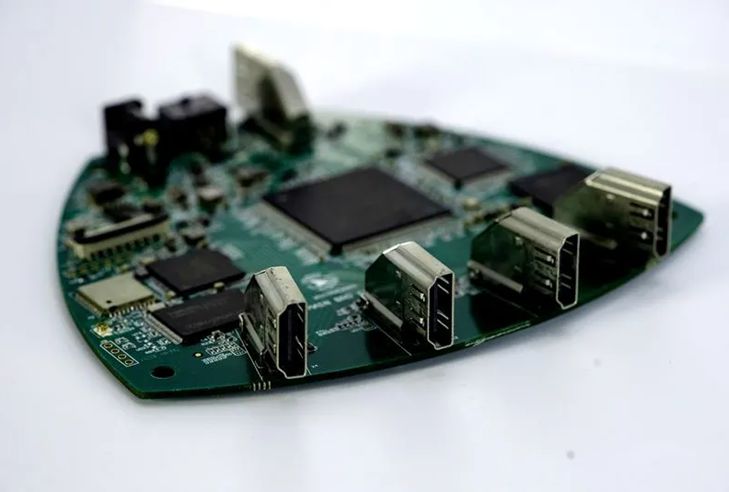
Communication PCBAs may also require additional attention to RF-sensitive structures, shielding components, and high-density connectors.
A manufacturer should document these issues and discuss possible solutions with the OEM.
Importantly, manufacturing engineers should not introduce design changes without approval.
The objective is to make the approved design easier to manufacture while preserving its intended electrical performance.
Manage Component Availability Before Scheduling
Component procurement can determine whether a prototype is completed on time.
Communication assemblies may include specialized processors, Ethernet PHYs, RF transceivers, oscillators, and connectors with limited sourcing options.
For small quantities, minimum order requirements and distributor availability can significantly affect project cost.
A full-turnkey assembly service can review the BOM before confirming the production schedule.
Critical components should be checked for availability, lifecycle status, and approved sourcing channels.
If alternatives are proposed, their electrical and mechanical compatibility should be evaluated by the OEM.
Early BOM review helps avoid situations where fabricated PCBs remain unused while the team waits for one missing component.
First-Article Inspection and Assembly Validation
Low-volume production often involves frequent machine setup changes.
Different PCB revisions, component configurations, and assembly programs increase the importance of first-article verification.
Before continuing with a batch, the manufacturer should confirm component orientation, placement, polarity, and relevant assembly requirements.
Solder paste inspection, AOI, and X-ray inspection may be used according to component complexity.
For mixed SMT and through-hole assemblies, soldering sequence and fixture requirements should also be reviewed.
These controls help reduce the risk of repeating the same setup error across an entire small batch.
Develop Testing Before the Pilot Build
Testing is frequently underestimated during prototype planning.
A communication board may require firmware programming, power verification, Ethernet communication, serial interface checks, or RF measurements.
If test procedures are developed only after assembly, the project may encounter delays involving fixtures, software, and acceptance criteria.
Instead, OEMs should define essential functional tests during NPI.
A simple, repeatable test fixture may be sufficient for certain low-volume products.
More complex communication equipment may require specialized instruments or customer-provided test systems.
The appropriate approach depends on product risk, order volume, and the required level of verification.
Use Pilot Builds to Validate Production Readiness
A pilot build bridges the gap between engineering prototypes and recurring production.
Its purpose is to confirm that the complete manufacturing workflow can produce consistent results.
This includes material availability, PCB fabrication, assembly programming, soldering, inspection, testing, and packaging.
The manufacturer should record defects, rework requirements, process deviations, and unresolved technical issues.
These findings can then be reviewed before the next production release.
For OEMs, pilot production provides an opportunity to improve manufacturing stability without immediately committing to large inventory purchases.
Control Engineering Changes and Product Variants
Communication equipment frequently undergoes revisions involving components, firmware, connectors, or PCB layouts.
Without disciplined revision management, manufacturers may accidentally combine outdated BOM information with newer PCB files.
A formal engineering change process should identify the affected documents, inventory, production programs, and test requirements.
For high-mix manufacturing, each product variant should have clearly defined configuration information.
This helps prevent errors when similar boards share components but perform different functions.
When Is a Communication PCBA Ready to Scale?
Production volume should increase only when the product and manufacturing process are sufficiently stable.
OEMs should confirm that critical components are available, the approved revision is documented, assembly defects are controlled, and functional testing is repeatable.
The manufacturer should also review tooling, capacity, material planning, and expected demand.
A phased approach allows production quantities to grow according to actual readiness.
Using the same manufacturing partner for prototypes, pilot builds, and recurring production can reduce the need for repeated technical transfers.
Ring PCB: From Prototype to Scalable PCBA Production
Successful Low-Volume PCB Assembly combines manufacturing flexibility with disciplined engineering and quality control.
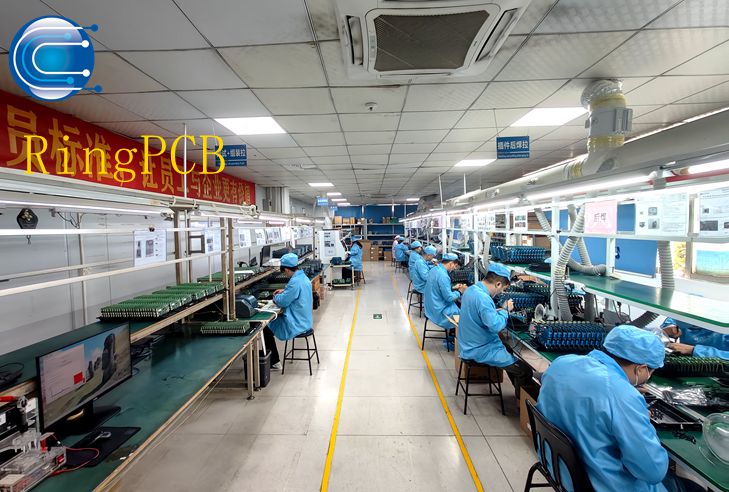
Ring PCB supports communication electronics through PCB fabrication, component sourcing, SMT and THT assembly, engineering review, inspection, testing, and full-turnkey assembly services.
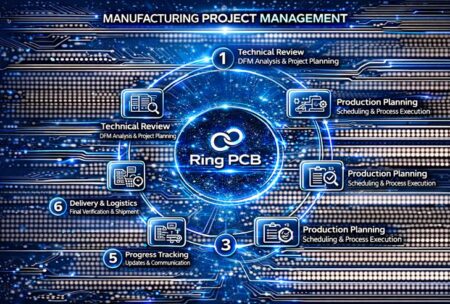
Its manufacturing workflow supports prototype development, small-batch production, and larger manufacturing requirements, helping OEMs coordinate sourcing and production as projects evolve.
For communication gateways, network controllers, and specialized electronic modules, early manufacturing review can help reduce avoidable NPI risks.
Send your Gerber files, BOM, assembly drawings, prototype quantities, and testing requirements to rfq@ringpcb.com to discuss your project.
References
- Ericsson. Ericsson Mobility Report: 5G Subscriptions Top Three Billion as Uplink Gains Momentum. June 16, 2026.
- Ring PCB. Why PCB Prototype Assembly Service Matters in Modern Electronics Manufacturing.
- Ring PCB. Full Turnkey PCB Assembly.