
For communication equipment OEMs, the bill of materials is more than a purchasing document. It directly influences product cost, manufacturing lead time, component availability, and long-term production stability.
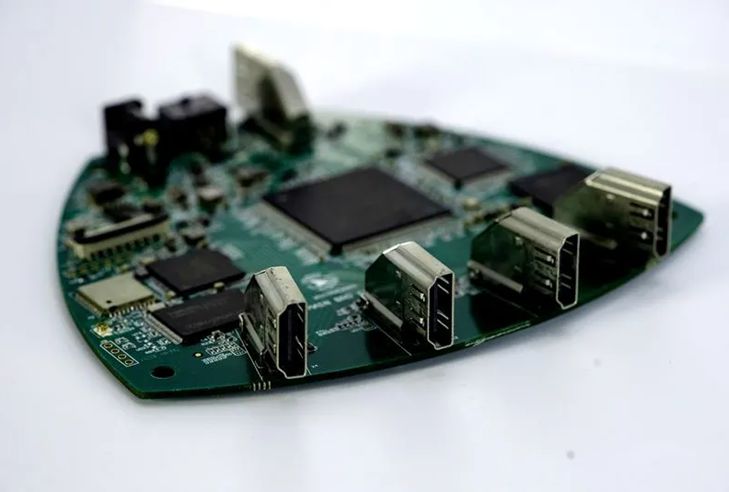
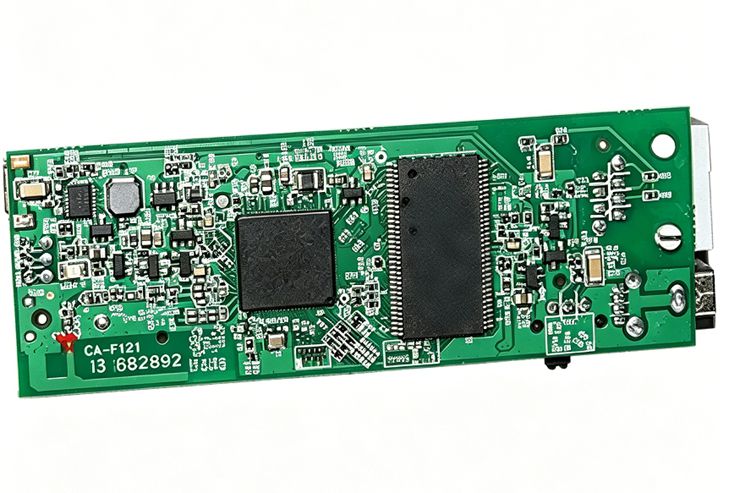
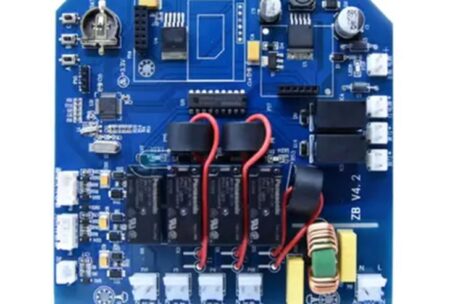
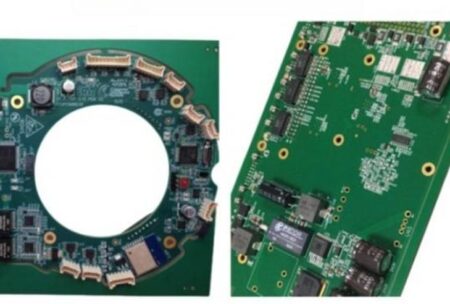
A communication PCBA may contain processors, Ethernet PHYs, RF transceivers, memory, power management ICs, connectors, oscillators, and hundreds of passive components.
If one critical component becomes unavailable, the entire production schedule may be affected.
At the same time, selecting cheaper components without engineering evaluation can introduce electrical, thermal, or reliability problems.
Therefore, effective BOM Optimization must balance cost, performance, availability, and manufacturing risk.
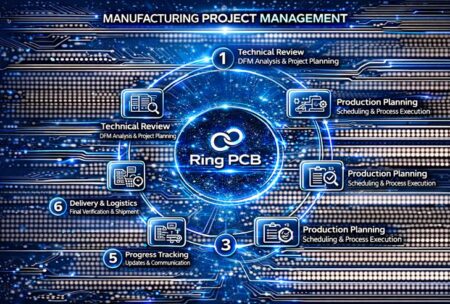
A PCBA Manufacturer offering Full-Turnkey Assembly Services can support this process by connecting component sourcing with engineering review and production planning.
Why BOM Risk Is a Major Concern in Electronics Manufacturing
Electronics procurement remains exposed to material-cost changes, trade uncertainty, and supply-chain disruptions.
In IPC’s May 2025 survey of electronics manufacturers, 53% of respondents reported that tariff uncertainty was delaying investment or sourcing decisions.
Although this figure reflects the survey period rather than current conditions across the entire industry, it illustrates how external uncertainty can influence purchasing decisions.
For communication equipment OEMs, the challenge is especially important because specialized semiconductors may have limited approved alternatives.
A missing Ethernet controller, RF transceiver, or processor can prevent an otherwise complete assembly from being delivered.
Consequently, sourcing risk should be assessed before production begins.
Start With a Clean and Complete BOM
A reliable BOM should identify each component clearly.
Typical information includes reference designator, quantity, manufacturer, manufacturer part number, description, package, and approved alternatives.
Incomplete part numbers or ambiguous descriptions can lead to quotation delays and purchasing errors.
For example, two components may share similar descriptions but differ in temperature rating, tolerance, package dimensions, or electrical performance.
These differences can matter significantly in communication applications.
Before requesting a turnkey PCBA quotation, OEMs should verify that the BOM matches the latest PCB and assembly revision.
A clean BOM makes engineering review and sourcing more efficient.
Identify High-Risk Components Early
Not all components create equal procurement risk.
Standard passive components may have several qualified sources, while specialized processors or RF devices may have few practical substitutes.
A BOM risk review should consider component availability, lifecycle status, lead time, approved sources, and expected annual usage.
Components approaching end-of-life status require particular attention.
For long-lifecycle communication products, OEMs should consider how replacement or redesign decisions would affect future production.
The goal is not to eliminate every sourcing risk, which may be impossible.
Instead, it is to identify critical dependencies before they cause production interruptions.
Avoid Uncontrolled Component Substitutions
Substitution can be useful when an approved component becomes unavailable.
However, an alternative part must be evaluated for more than package compatibility.
Electrical parameters, timing characteristics, thermal behavior, firmware support, and regulatory implications may all matter.
For example, changing an oscillator could affect clock accuracy or phase noise.
Replacing an RF component could alter transmission performance or require additional calibration.
Even passive component substitutions may influence impedance matching or power integrity.
Therefore, a PCBA Manufacturer should obtain documented OEM approval before implementing critical component changes.
Full-turnkey sourcing should improve procurement coordination, not remove engineering control.
Use Approved Alternatives Where Practical
A well-managed approved manufacturer list can reduce dependency on a single supplier.
For suitable components, OEMs may qualify more than one manufacturer or part number.
This approach can improve purchasing flexibility when prices or availability change.
However, alternatives must be evaluated according to their actual function.
Commodity resistors and capacitors may offer relatively straightforward options, subject to required specifications.
Specialized communication ICs are often more difficult to substitute because of hardware and software dependencies.
Therefore, dual sourcing should be selective and engineering-led.
Evaluate Total Cost Instead of Component Price Alone
The cheapest component is not always the lowest-cost choice.
Purchasing decisions should consider minimum order quantities, shipping, handling, inspection, inventory, and potential production delays.
For example, a low-priced component with a large minimum order quantity may create excess stock for a small-batch communication product.
A more expensive but readily available approved component may provide better total project economics.
Likewise, repeated supplier changes can increase engineering validation and administrative costs.
BOM optimization should therefore focus on total manufacturing cost rather than isolated purchase prices.
Connect Sourcing With PCB Assembly Requirements
Component selection also affects assembly.
Different package types may require changes to PCB footprints, stencil design, placement programs, soldering profiles, or inspection methods.
A proposed alternative may appear electrically compatible but create manufacturing difficulties.
For this reason, component sourcing should be coordinated with DFA and DFM review.
The assembly team can evaluate package compatibility, solderability, orientation, and process requirements before a substitution is approved.
This is one of the practical benefits of Full-Turnkey Assembly Services.
Engineering and purchasing teams can review the same proposed change instead of making independent decisions.
Manage Inventory Across Product Revisions
Communication equipment often undergoes engineering updates.
A processor replacement, connector change, or revised RF circuit can leave previously purchased components unused.
Therefore, BOM revision control and inventory planning should be connected.
Before purchasing large quantities, manufacturers should confirm the approved revision and expected production schedule.
OEMs should also establish clear agreements about excess materials, customer-owned stock, and inventory allocated to future orders.
For high-mix or low-volume products, these decisions can materially affect total manufacturing cost.
Build a More Resilient Turnkey Supply Chain
A resilient sourcing strategy requires accurate BOM data, approved suppliers, early risk identification, and clear engineering communication.
Manufacturers should also provide visibility into critical component availability and purchasing assumptions.
For example, an RF component with a long lead time may need to be ordered before the PCB fabrication schedule begins.
Alternatively, a project may need a staged production plan to avoid committing excessive inventory before design validation.
These decisions are easier when component procurement, PCB fabrication, and assembly planning are coordinated.
However, OEMs should still confirm quotation validity, material ownership, substitution rules, and delivery commitments.
Ring PCB’s Full-Turnkey Support for Communication PCBA
Effective BOM optimization requires cooperation between engineering, purchasing, and manufacturing teams.
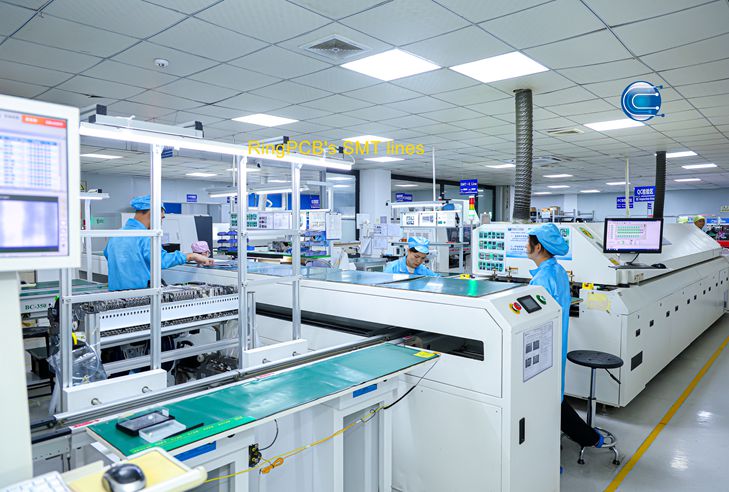
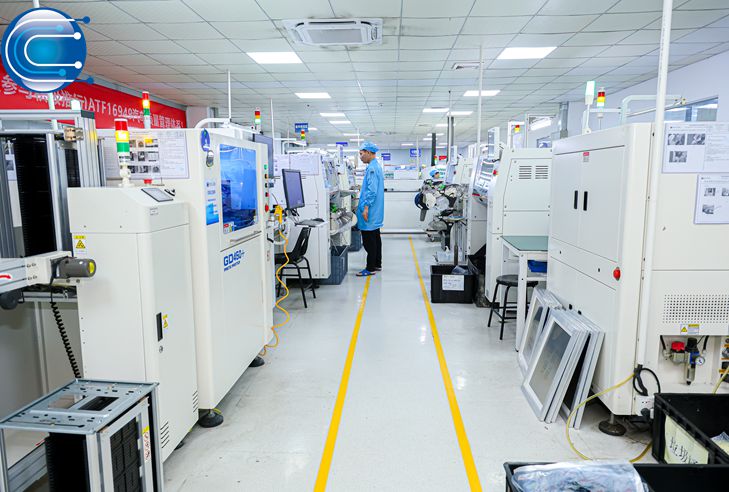
Ring PCB provides component sourcing and BOM management alongside PCB fabrication, SMT and THT assembly, inspection, testing, and full-turnkey electronics manufacturing services.
For communication PCBA projects, this integrated approach helps customers coordinate component procurement with manufacturing requirements and production schedules.
Ring PCB also supports customized multilayer and high-frequency PCB manufacturing for communication electronics, allowing sourcing and assembly requirements to be reviewed within the broader project workflow.
If you are planning a new communication PCBA build or reviewing an existing BOM for production, send your component list, Gerber files, assembly drawings, quantities, and relevant technical requirements to rfq@ringpcb.com.
References
- IPC. Electronics Industry Demand Holds Steady Amid Tariff Turbulence. May 22, 2025.
- Ring PCB. Full Turnkey PCB Assembly. BOM management, component sourcing, and assembly services.
- Ring PCB. FR-4 Communication PCBA. Communication electronics manufacturing capabilities.
Core Keywords: Communication PCBA, BOM Optimization, Electronic Component Sourcing, Full-Turnkey Assembly Services
SEO Title: Communication PCBA BOM Optimization and Sourcing Guide
SEO Meta Description: Reduce communication PCBA costs and sourcing risks with BOM optimization, approved alternatives, lifecycle planning, and turnkey assembly.