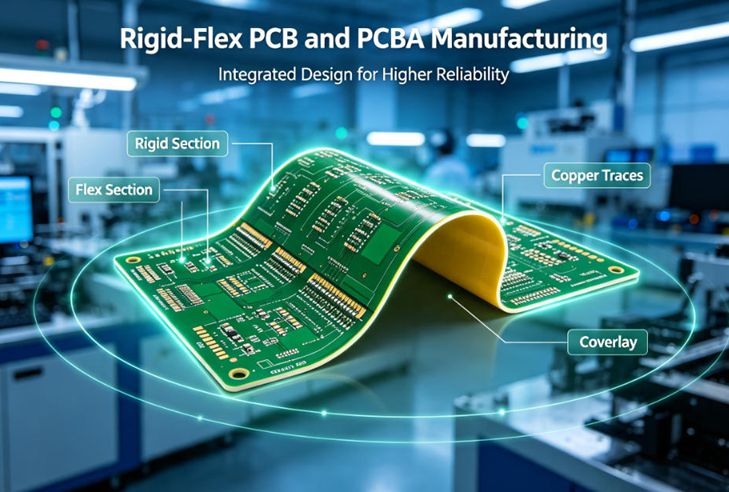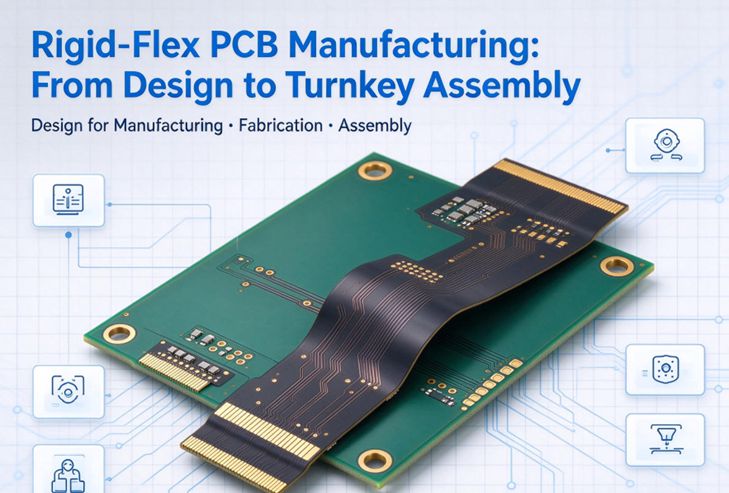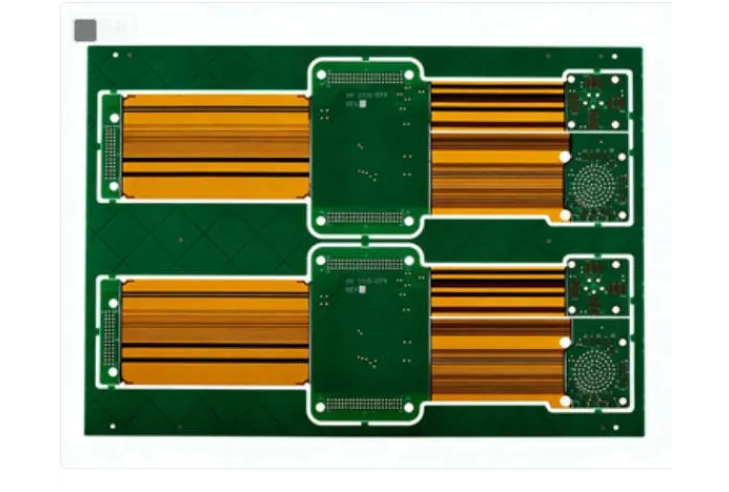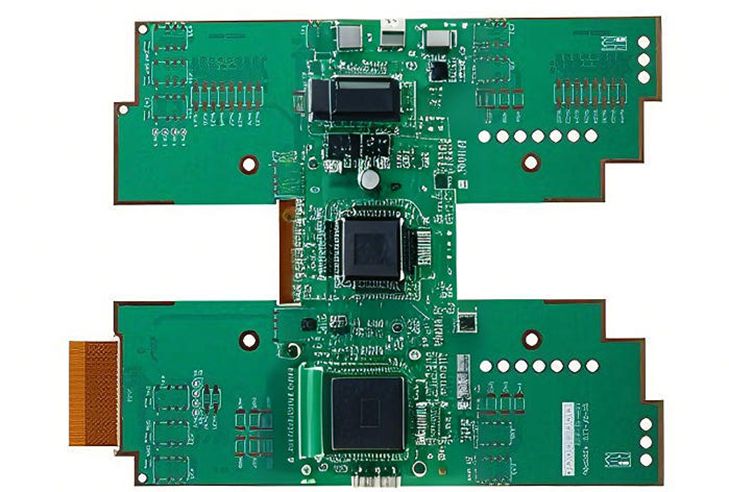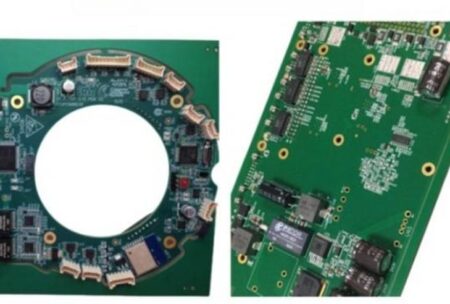

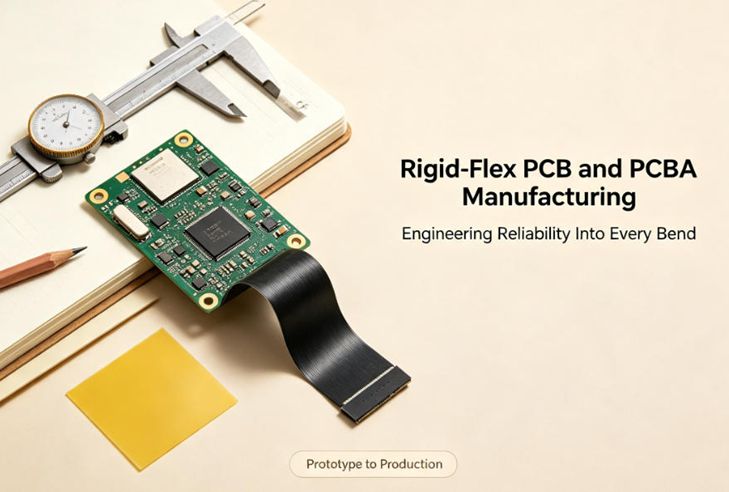
Rigid-flex PCBs combine rigid FR-4 sections for component soldering and polyimide flexible zones that can bend, fold or wrap inside tight enclosures. Unlike separate rigid boards connected by cables and connectors, they form a single integrated circuit structure, which is why they have become a preferred solution for modern miniaturized electronics projects.
Why Rigid-Flex PCBs Are Gaining Traction
Traditional assembly with multiple rigid boards, flat cables and connectors creates dozens of potential failure points. Under vibration, temperature cycling or repeated mechanical movement, connectors loosen, cable insulation cracks and signal integrity degrades. Rigid-flex designs remove most intermediate connectors, reduce assembly labor and cut overall system size and weight. These benefits are especially valuable for projects that demand high reliability in limited space.
Main Application Fields of Rigid-Flex PCBs
Medical Devices
Medical electronics requires stable signal transmission, compact packaging and consistent performance after sterilization cycles. Rigid-flex PCBs are widely used in endoscopes, minimally invasive surgical instruments, portable patient monitors and implant auxiliary devices. The flexible segment can route circuits through narrow instrument channels while rigid areas hold sensors and IC chips. For handheld diagnostic equipment, rigid-flex structures also help reduce device weight and improve ergonomics.
Automotive Electronics
The automotive industry, especially EV and ADAS systems, faces continuous vibration and wide temperature fluctuations. Rigid-flex PCBs are adopted in camera modules, dashboard control units, battery management systems and lidar assemblies. Compared with wire harnesses, rigid-flex circuits maintain stable electrical connection under road vibration, lowering the risk of intermittent signal faults. Many automotive-grade rigid-flex boards follow IPC Class 3 reliability standards for long service life.
Aerospace & Defense
Aerospace electronics must withstand extreme temperature swings, high G-force vibration and strict weight limits. Rigid-flex PCBs reduce the total weight of avionics modules and satellite payloads. Fewer connectors also mean less maintenance risk and better adaptability to harsh airborne and space environments.
Industrial Automation & Robotics
Industrial robotic joints, motion sensors and portable inspection instruments often need circuits that move repeatedly. Rigid-flex PCBs fit perfectly here: rigid zones mount drive chips and connectors, while flexible parts follow joint movement without separate wiring harnesses. This simplifies robotic assembly and improves durability for dynamic motion scenarios.
Consumer Wearable & Foldable Electronics
Foldable devices, smart watches, TWS earbuds and compact camera modules rely heavily on rigid-flex PCBs. The hinge section uses flexible circuits to connect display boards and main control boards, enabling repeated folding without separate jumper cables.
Practical Considerations Before Selecting Rigid-Flex
Although rigid-flex brings obvious advantages, hardware teams should evaluate the project budget and bending requirements first. Rigid-flex fabrication involves more stacking and lamination steps than standard rigid PCBs, so prototyping and unit costs are higher. It is not always the best choice for simple static low-density circuits. Static bending for assembly packaging is much easier to validate than dynamic repeated flexing, which needs strict bend radius control and special trace routing rules.
For engineers who want to replace multi-board cable assemblies, rigid-flex delivers clear long-term value despite higher upfront cost. It reduces after-sales failure rates and simplifies bill-of-material management.
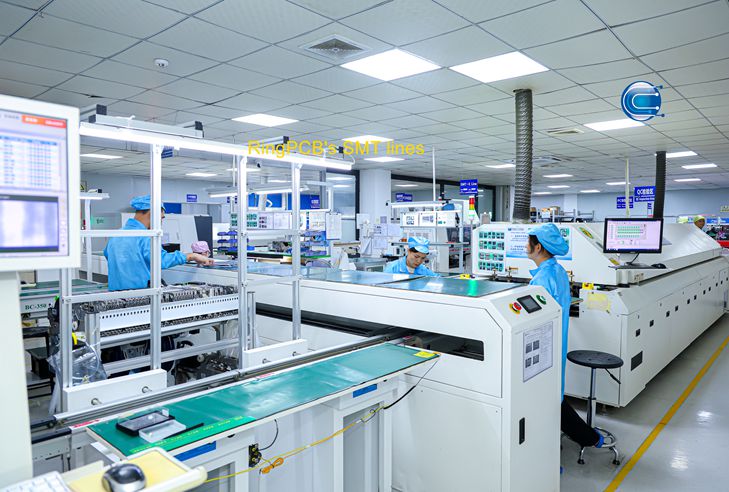
RingPCB supports custom rigid-flex PCB fabrication and PCBA assembly for industrial, medical, automotive and consumer projects. Our engineering team carries out full DFM review on rigid-flex stack-up, transition zone routing and bend area rules before production, helping customers avoid delamination, trace cracking and yield loss. Send your Gerber files and BOM to get a professional quotation: rfq@ringpcb.com.