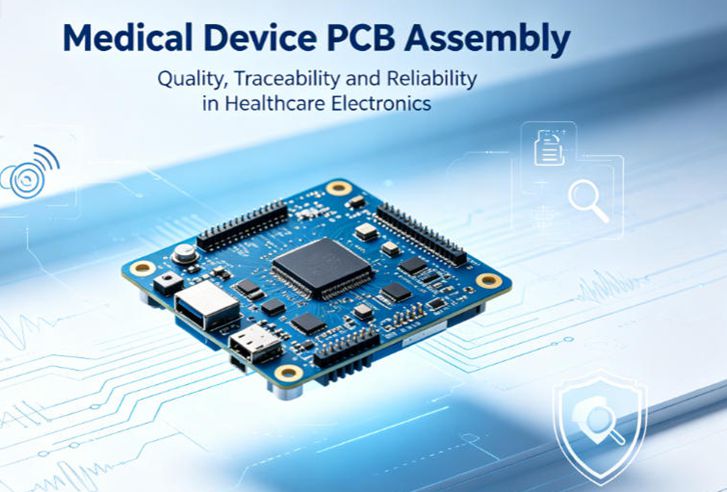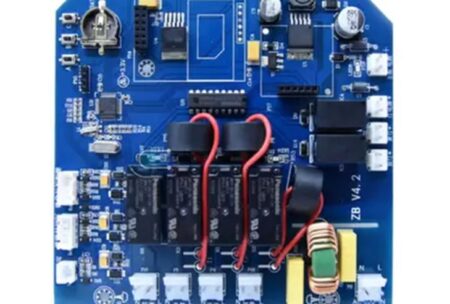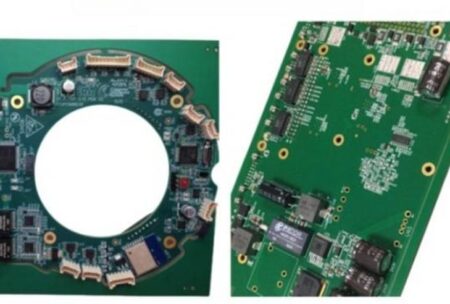
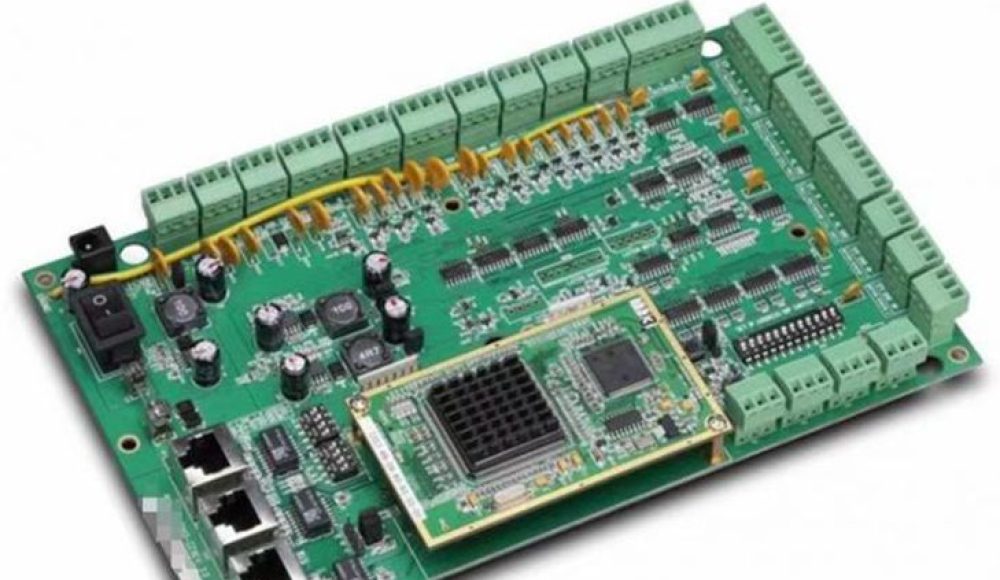
SMT assembly for medical devices requires precise component placement, reliable solder joints, and consistent quality control. A minor assembly defect can affect sensor readings, signal processing, or the performance of diagnostic equipment. For medical electronics manufacturers, selecting the right PCB assembly partner is essential to controlling production risks and maintaining product consistency.
Ring PCB provides PCB fabrication and full-turnkey PCBA services from its manufacturing facility in Shenzhen, China. Founded in 2008, the company combines SMT production equipment, component sourcing, and inspection capabilities to support medical electronics projects from prototype development to volume production. Understanding how SMT assembly works can help you evaluate manufacturing capabilities and choose a supplier that fits your technical requirements.
How SMT Assembly for Medical Devices Works
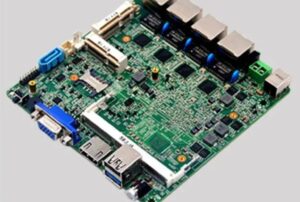
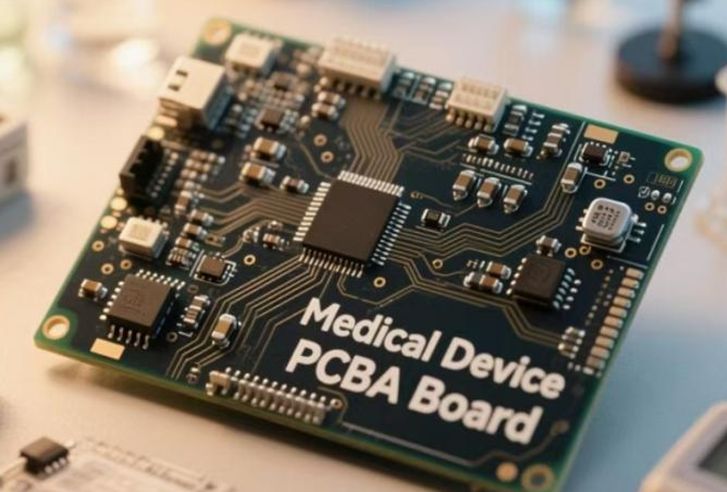
Surface Mount Technology (SMT) places electronic components directly onto the surface of a printed circuit board. This process supports compact layouts and automated production, making it suitable for medical devices that require accurate signal processing and efficient use of board space.
Typical applications include:
- Patient monitoring systems: ECG monitors, blood pressure monitors, and pulse oximeters.
- Diagnostic equipment: Laboratory analyzers and portable testing instruments.
- Dental equipment: Electronic control boards for dental chairs and imaging systems.
- Portable medical devices: Compact healthcare electronics requiring stable performance.
For these applications, component selection, soldering quality, PCB design, and inspection must work together. SMT equipment alone cannot guarantee finished-product reliability; manufacturers also need controlled processes and appropriate testing.
Key Requirements for Medical Device PCBA Manufacturing
1. Precise Component Placement
Modern medical electronics may use miniature components, fine-pitch packages, and high-density layouts. Accurate placement helps prevent alignment defects and supports consistent electrical connections.
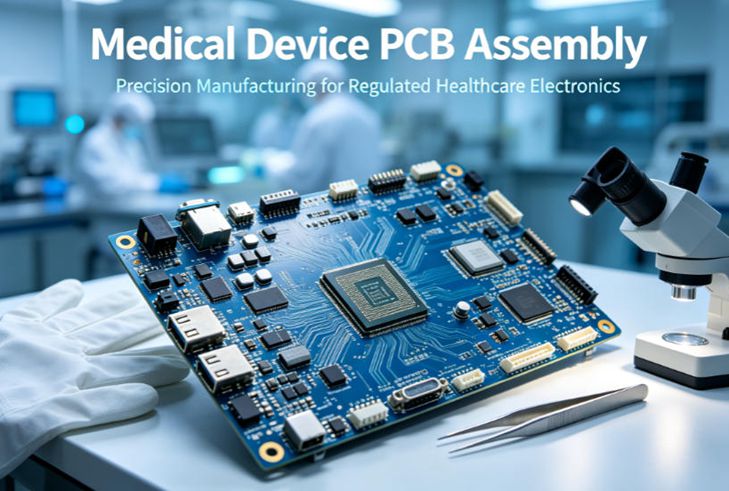
Ring PCB uses high-speed pick-and-place machines alongside stencil printing and lead-free reflow soldering equipment. These capabilities support automated SMT assembly for medical devices with different component configurations.
2. Quality Control and Traceability
Medical electronics manufacturers need documented production controls and inspection records to identify defects and investigate quality issues. Depending on the board design, inspection may include Automated Optical Inspection (AOI), X-ray inspection, and electrical or functional testing.
Ring PCB operates under ISO 13485, ISO 9001, ISO 14001, and IATF 16949 management-system certifications, and holds UL certification. These credentials support its manufacturing quality framework, but the specific compliance requirements for each finished medical device must still be assessed separately.
3. Flexible Production and Engineering Support
Medical PCBA projects often move through prototype validation, design revisions, and production scaling. A supplier that offers PCB fabrication, component sourcing, SMT assembly, and testing under one roof can simplify coordination between these stages.
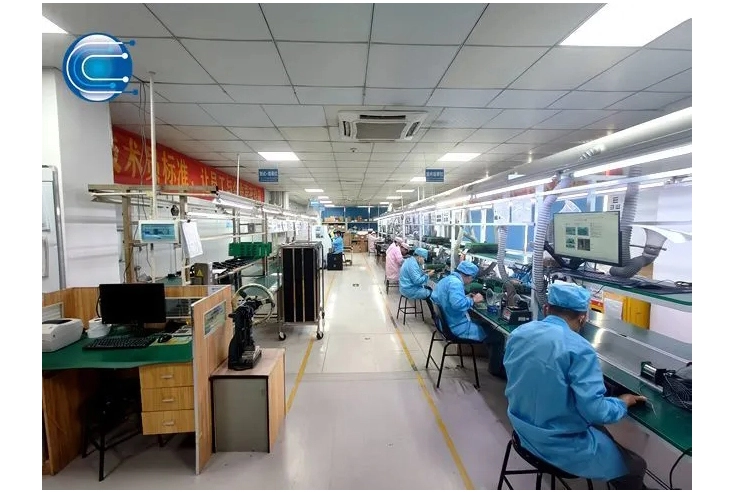
Ring PCB operates a 10,000-square-meter manufacturing facility with approximately 500 employees. Its stated production support includes 3-day rapid prototyping and 7-day mass production, subject to project specifications and production requirements.
SMT Assembly vs. Through-Hole Assembly
Medical PCBA designs may use SMT, through-hole technology (THT), or a combination of both. The appropriate method depends on component requirements, mechanical stress, board layout, and electrical performance.
| Comparison | SMT Assembly | Through-Hole Assembly |
|---|---|---|
| Component mounting | Components sit on PCB surface pads | Leads pass through drilled holes |
| Board layout | Supports compact, high-density designs | Requires space for lead holes |
| Production | Well suited to automated placement | May involve manual or automated insertion |
| Typical considerations | Fine-pitch accuracy and solder-joint inspection | Mechanical strength and hole-plating quality |
| Medical applications | Compact diagnostic and monitoring electronics | Connectors and selected components requiring stronger mechanical support |
Many medical electronics designs combine both methods to balance space efficiency, electrical performance, and mechanical requirements.
A Practical Workflow for Medical PCBA Production
A structured workflow helps you identify manufacturing risks before full-scale production.
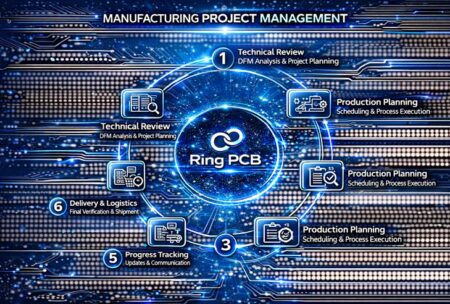
- Review design files: Submit Gerber files, the bill of materials (BOM), and assembly drawings for engineering review.
- Complete DFM checks: Evaluate component spacing, pad design, solder-mask clearances, and manufacturability before production.
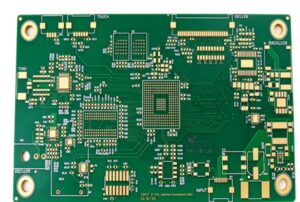
- Fabricate the PCB: Select the appropriate layer count, material, copper thickness, and surface finish for the application.
- Assemble components: Apply solder paste, place SMT components, and use controlled reflow soldering. Add through-hole assembly where required.
- Inspect and test: Use suitable AOI, X-ray, electrical, and functional tests based on component packages and product specifications.
- Review results and scale production: Confirm inspection records and agreed acceptance criteria before moving from prototypes to larger batches.
This process helps you address manufacturing issues early and establish clearer quality expectations with your supplier.
How to Choose a Medical PCB Assembly Manufacturer
When comparing suppliers, look beyond equipment lists and quoted prices. Ask whether the manufacturer can support your design complexity, component sourcing requirements, inspection plan, and production schedule.
Evaluate these factors:
- Relevant experience: Can the supplier handle your medical electronics application and board complexity?
- Quality systems: Does it maintain applicable certifications and documented inspection procedures?
- Manufacturing scope: Can it integrate PCB fabrication, sourcing, assembly, and testing?
- Engineering communication: Will its team review your files and explain potential manufacturing risks?
- Production flexibility: Can it support prototypes, design changes, and planned volume increases?
Ring PCB provides full-turnkey PCB and PCBA manufacturing, with support for multilayer boards and customized assembly requirements. You should confirm the exact inspection coverage, traceability records, and acceptance criteria for your particular project before placing an order.
FAQ
What is SMT assembly for medical devices?
It is the process of mounting electronic components directly onto PCBs used in medical equipment. Automated placement and controlled soldering support compact designs and repeatable assembly.
What certifications should a medical PCBA supplier have?
ISO 13485 is particularly relevant to medical-device quality management. Depending on the project, buyers should also evaluate applicable regulatory requirements, material compliance, inspection procedures, and finished-device validation.
Can Ring PCB support medical PCBA prototypes and mass production?
Ring PCB states that it supports 3-day rapid prototyping and 7-day mass production. Actual lead times depend on design complexity, component availability, order volume, and required testing.
Conclusion
Choosing a supplier for SMT assembly for medical devices means evaluating precision placement, documented quality controls, engineering support, and production flexibility together. Ring PCB combines PCB fabrication, component sourcing, SMT and through-hole assembly, and inspection services to support medical electronics projects from prototype development to production. Before proceeding, share your Gerber files, BOM, and testing requirements so the engineering team can assess manufacturability, confirm the appropriate inspection plan, and provide a project-specific quotation.
Request a Medical PCBA Manufacturing Review
Contact Ring PCB at rfq@ringpcb.com or visit its medical PCBA product page to discuss your board specifications, component requirements, inspection needs, and production schedule.