A PCBA manufacturer can have a well-equipped assembly line and still face production delays if critical components are unavailable, an unexpected substitution requires customer approval, or material records are incomplete.
For OEMs, component sourcing is more than a purchasing activity. It affects production continuity, product configuration, quality assurance, and the ability to investigate problems after shipment.
Supply chain disruption remains a practical concern for electronics businesses. A 2025 consumer technology supply chain survey by DP World identified component and material shortages among the major challenges reported by respondents. Although the findings reflect a specific industry sample rather than the entire electronics manufacturing sector, they highlight why buyers need greater visibility into material availability and supplier risks.
For this reason, choosing a PCBA manufacturer should involve more than comparing assembly prices. Buyers also need to understand how the supplier manages BOM procurement, alternative components, material identification, and traceability throughout production.
1. Why Component Sourcing Can Disrupt PCBA Manufacturing
Lead Times Do Not Always Match Production Plans
A production schedule depends on the availability of the complete material set, not just the PCB or a few high-value components. If one essential integrated circuit, connector, or power component is delayed, the entire assembly order may be affected.
The problem can be particularly difficult when the BOM contains components with long lead times, allocation constraints, limited authorized sources, or minimum order quantities that exceed immediate production needs.
To reduce this risk, buyers should identify critical components early and request realistic availability information before confirming the production schedule. For repeat orders, forecasts and purchasing plans can help the manufacturer prepare for expected demand, although they cannot eliminate all supply uncertainty.
Component Prices Can Change Between Quotation and Order
Electronic component quotations may have limited validity periods. Availability, demand, distributor inventory, and purchasing conditions can change after a quotation is issued.
Consequently, a PCBA quotation should clarify whether component prices and stock availability are confirmed or subject to reconfirmation. Buyers should also understand how price changes will be communicated and approved before purchasing.
A low initial quotation may be less useful if it excludes important components, assumes unavailable inventory, or does not explain how sourcing changes affect the final cost.
Unverified Sources Create Additional Risks
When components are sourced through multiple channels, buyers may have questions about authenticity, storage conditions, handling, and documentation. These concerns are especially important for products where component identity and reliability directly affect safety, performance, or regulatory obligations.
A credible sourcing process should define acceptable suppliers, required documentation, incoming verification procedures, and methods for investigating suspicious or inconsistent materials.
2. How to Manage BOM Risk Before Production
The bill of materials is a key input for both procurement and assembly planning. A practical BOM review should identify not only which components are required, but also which parts may threaten production continuity.
Identify Critical and Hard-to-Source Components
Components can be prioritized according to their function, sourcing options, lead time, lifecycle status, cost, and the consequences of unavailability.
For example, a proprietary microcontroller may have limited substitution options, while a common passive component may be available from multiple qualified manufacturers. Treating both parts as equally risky can lead to inefficient procurement planning.
A risk-based BOM review allows the customer and PCBA manufacturer to focus attention on the parts most likely to delay production or require engineering review.
Check Lifecycle and Availability Status
A component that is technically suitable today may become difficult to purchase later if it approaches end of life or has a constrained supply base.
For products expected to remain in production for several years, buyers should consider lifecycle status, manufacturer notices, and possible long-term supply arrangements. Where appropriate, the design team may evaluate alternatives before the original part becomes unavailable.
This is particularly relevant to industrial equipment and other products with long service lives, where an unplanned component change may trigger additional validation or customer approval.
Define an Approved Alternative Strategy
Alternative components should not be selected solely because they have similar names or package dimensions.
Even parts with similar specifications may differ in electrical characteristics, thermal performance, tolerance, firmware compatibility, pin configuration, reliability data, or regulatory status.
The customer should therefore define which substitutions require formal approval. Where engineering assessment is necessary, the alternative should be reviewed against the product’s functional and performance requirements before being released for manufacturing.
A PCBA manufacturer can help identify sourcing options and communicate availability concerns, but design equivalence and final acceptance must follow the customer’s technical and quality requirements.
3. What Component Traceability Means in PCBA Manufacturing
Traceability is the ability to link relevant production records to the materials, processes, and assemblies involved in a manufacturing order.
The required level of traceability varies by product. Some projects may need basic lot identification and inspection records, while others may require serial-level records, component date codes, supplier documentation, and detailed links between each assembly and its manufacturing history.
Incoming Material Identification
At receiving, components should be checked against the purchase order and applicable material requirements. Depending on the project, checks may include manufacturer part number, quantity, packaging condition, labeling, lot or date codes, and accompanying documentation.
If a discrepancy is found, the affected material should be identified and handled according to the agreed nonconformance process. This helps prevent unverified materials from entering production unnoticed.
Linking Materials to Production Batches
Material records become more useful when they can be linked to a specific PCBA production order or batch.
For example, if a component-related issue is discovered after shipment, traceability may help determine which production lots used the affected material. This can narrow the investigation and support a more targeted response than treating all products as potentially affected.
The depth of traceability should be agreed in advance. Serial-level component tracking can require additional system capability, data capture, and operational cost, so it should be matched to the product’s actual risk and customer obligations.
Retaining Inspection and Test Records
Material traceability is only one part of the picture. Where required, buyers may also need records of assembly inspection, electrical testing, functional testing, rework, deviations, and release approval.
When these records can be associated with the relevant order, batch, or serial number, the manufacturer and customer have a stronger basis for investigating failures and reviewing production history.
However, traceability does not itself guarantee product quality. It makes the manufacturing history easier to examine and helps teams respond more effectively when a problem occurs.

4. How to Assess a PCBA Manufacturer’s Supply Chain Controls
When qualifying a supplier, procurement and engineering teams should ask practical questions about sourcing and material management.
Where are components purchased? Clarify whether materials are obtained through authorized distribution channels, approved suppliers, customer-nominated sources, or other agreed channels. The acceptable sourcing strategy may differ by component and project.
How are substitutions controlled? Confirm whether the manufacturer can proceed with an alternative only after the required approval. The process should specify how the proposed part, supporting information, and approval status are documented.
What traceability records are available? Ask whether the supplier can retain and retrieve relevant material lots, production orders, inspection outcomes, and test records. For more demanding projects, clarify whether serial-level tracking is available.
How are shortages communicated? A manufacturer should raise material risks early, explain the potential impact on cost and delivery, and seek approval before making changes that affect the product configuration.
What happens when a material discrepancy is identified? Confirm how affected components are segregated, investigated, and released or rejected. This helps prevent questionable materials from being used simply to maintain the production schedule.
These questions provide a clearer view of the manufacturer’s sourcing discipline than a general promise of reliable supply.
5. Building a More Resilient PCBA Supply Strategy
Supply chain resilience does not require every component to have multiple interchangeable sources. In some cases, technical constraints make substitution impractical. Instead, resilience comes from understanding vulnerabilities and preparing appropriate responses.
For high-risk components, customers may consider earlier purchasing commitments, approved alternatives, additional inventory, or longer-term supply agreements. For standard components, broader sourcing options may provide greater flexibility.
It is also useful to distinguish between material readiness and production readiness. A supplier may have most components in stock but still be unable to begin assembly because one essential item remains unavailable or its substitution has not been approved.
A shared material status report can help procurement, engineering, and production teams monitor shortages, pending approvals, and expected arrival dates. Combined with realistic lead-time planning, this visibility can support better decisions about order release and delivery commitments.
The most effective strategy is a coordinated one: the customer defines technical and approval requirements, while the PCBA manufacturer communicates sourcing status, material risks, and manufacturing implications.
6. PCBA Manufacturing Support from Ring PCB
For OEMs, a manufacturing partner should help clarify both assembly requirements and material-related constraints before production begins.
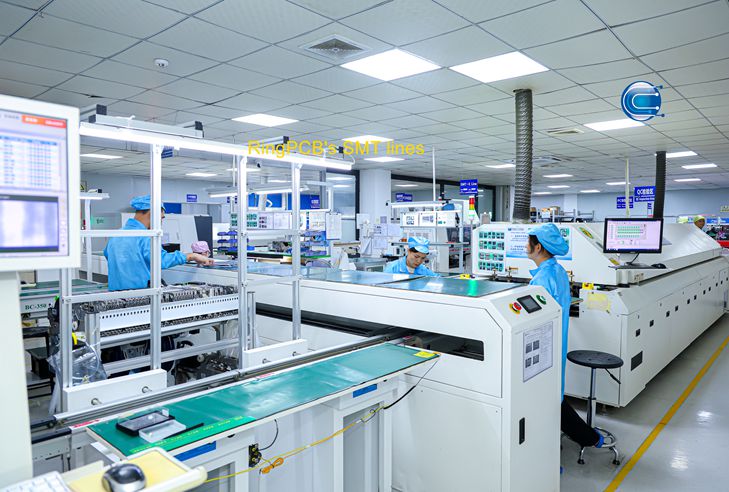
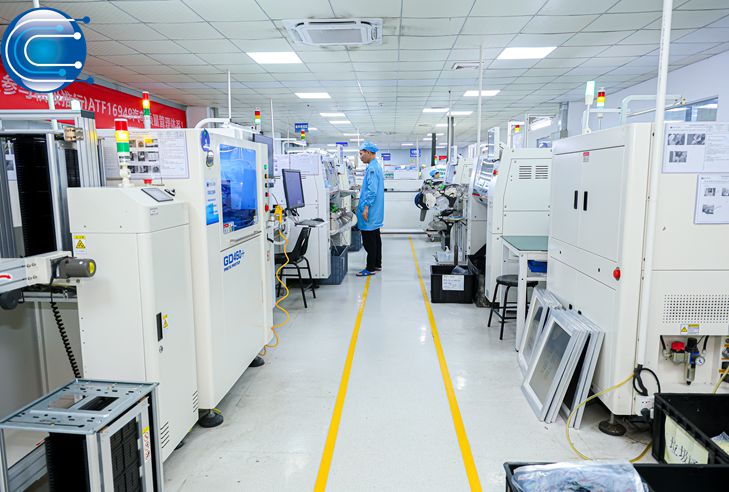
Ring PCB operates a 10,000-square-meter, company-owned factory and provides PCB fabrication and PCBA manufacturing services, including component sourcing, SMT and through-hole assembly, and inspection and quality-control processes aligned with project requirements.
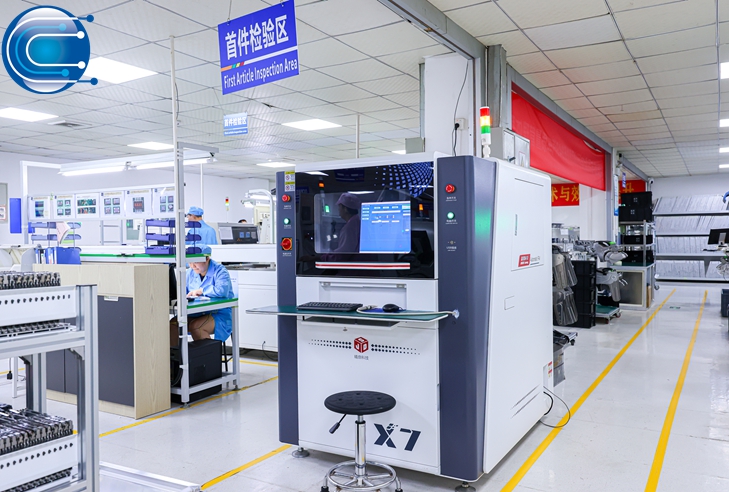
Our manufacturing resources include advanced, up-to-date first article inspection equipment, supporting initial assembly verification when required by the project. Although FAI primarily validates the initial build rather than the entire supply chain, it can help identify assembly discrepancies before volume production proceeds.
Customers can submit Gerber files, BOM documentation, and assembly requirements for review and quotation. By clarifying component specifications, sourcing expectations, approved substitutions, and documentation needs at the quotation stage, customers can establish a more transparent basis for production planning.
Ring PCB can support PCB prototypes in as little as three days and qualifying PCB/PCBA production schedules as short as seven days, subject to project complexity, component availability, and agreed requirements.
Whether you are launching a new product or arranging repeat PCBA production, early discussion of BOM risks and material documentation can help align procurement and manufacturing expectations.
Conclusion
Component sourcing and traceability are essential considerations when selecting a PCBA manufacturer. Shortages, unapproved substitutions, and incomplete material records can create costs and delays that are not visible in the initial assembly price.
By reviewing BOM risks early, defining a clear substitution approval process, and agreeing on appropriate traceability records, OEMs can make their manufacturing supply chains more transparent and better prepared for disruption.
To discuss your BOM, sourcing requirements, or PCBA manufacturing project, contact Ring PCB at rfq@ringpcb.com.