The global electronics industry is entering a new era of innovation and complexity. From electric vehicles (EVs) and renewable energy systems to medical devices, industrial automation, and IoT applications, electronic products are becoming smarter, smaller, and more interconnected. At the same time, manufacturers face increasing pressure to shorten product development cycles, manage supply chain risks, and maintain high quality standards.
Against this backdrop, Electronics Manufacturing Services (EMS) providers are playing an increasingly strategic role. A reliable EMS partner is no longer simply a contract manufacturer but an extension of an OEM’s engineering, procurement, and production teams. By integrating PCB fabrication, component sourcing, PCB assembly, testing, and logistics, EMS providers help manufacturers improve operational efficiency and accelerate product development.
The Growing Demand for EMS Solutions
The EMS industry has experienced significant growth over the past decade. According to Fortune Business Insights, the global Electronics Manufacturing Services market was valued at over USD 600 billion in 2024 and is projected to exceed USD 900 billion by 2032, driven by increasing outsourcing and the rapid growth of high-tech industries.
Several market trends are contributing to this expansion:
- Electric vehicle adoption
- Medical electronics innovation
- Industrial automation
- 5G infrastructure deployment
- Renewable energy systems
- Smart home and IoT devices
As electronic products become more sophisticated, OEMs are increasingly focusing on core competencies such as product development and marketing while outsourcing manufacturing to specialized EMS providers.
Manufacturing Complexity Is Increasing
Electronic assemblies today are far more complex than they were a decade ago.
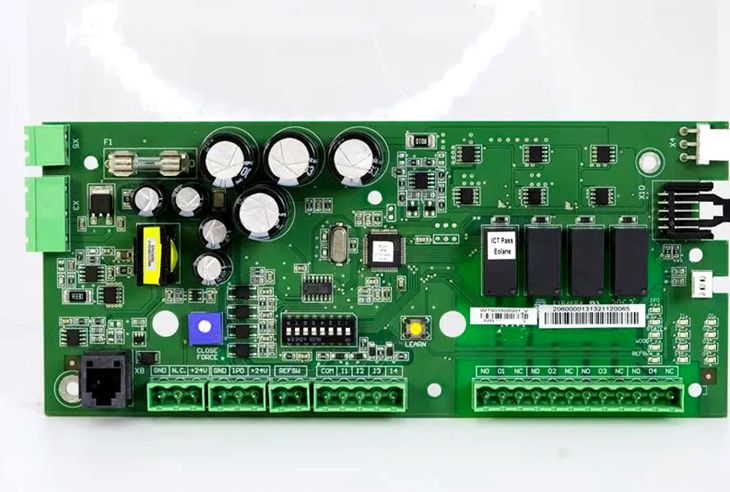
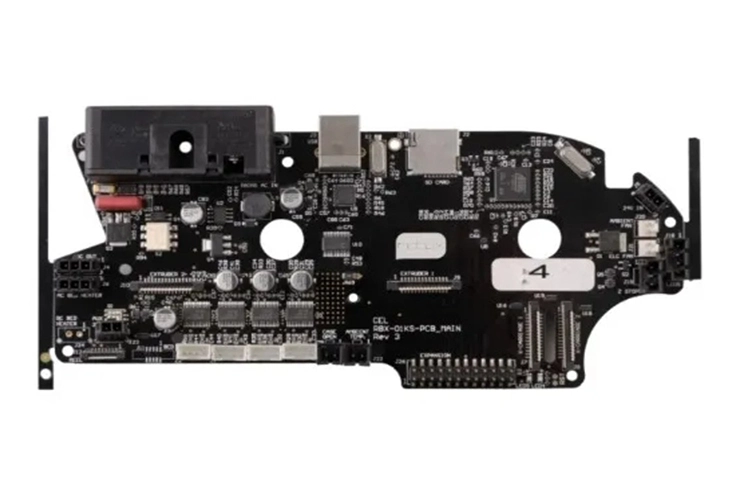
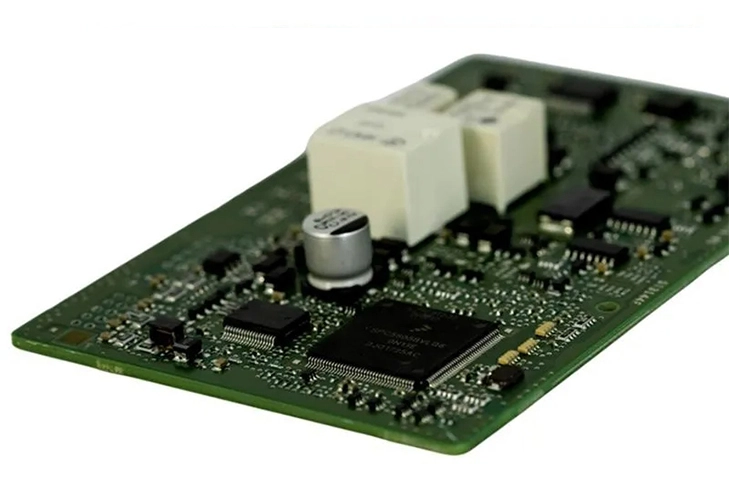
Modern PCBAs often incorporate:
- Fine-pitch IC packages
- BGA components
- High-speed digital interfaces
- Wireless communication modules
- Mixed analog and digital circuits
- Power management systems
PCB technologies have also advanced significantly.
Many applications now require:
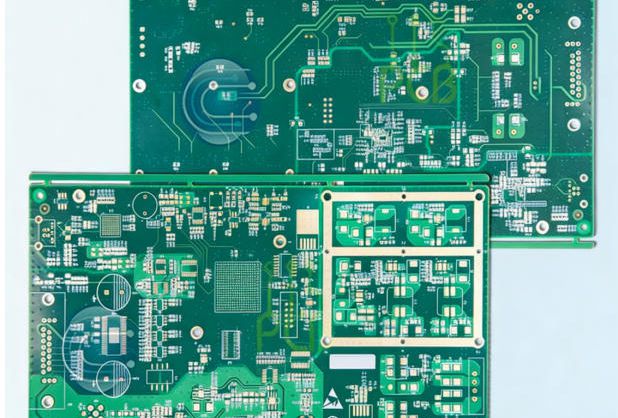
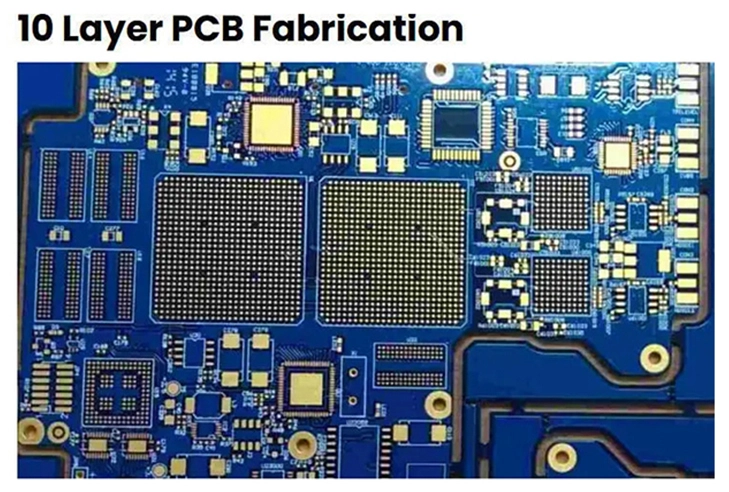
- 8–20 layer PCBs
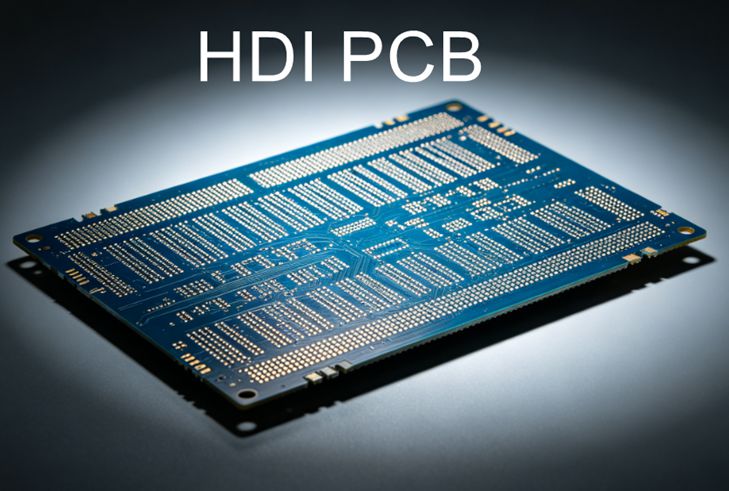
- HDI structures
- Heavy copper designs
- High-frequency materials
- Rigid-flex constructions
Manufacturing these products requires precision equipment, advanced process control, and experienced engineering teams.
Engineering Support Improves Production Efficiency
One of the most significant advantages of working with a reliable EMS partner is early engineering involvement.
Industry studies suggest that up to 70% of manufacturing costs are influenced during the product design phase. Identifying potential production issues before manufacturing begins can significantly reduce costs and delays.
Design for Manufacturability (DFM)
DFM analysis evaluates PCB layouts to improve manufacturing efficiency.
Common review items include:
- Component spacing
- Solder pad design
- Panel utilization
- Thermal management
- Assembly accessibility
Addressing these factors early helps reduce production defects and improve manufacturing yield.
BOM Optimization
Component shortages remain a challenge across the electronics industry.
An experienced EMS engineering team can:
- Verify component availability
- Identify alternative parts
- Evaluate lifecycle status
- Reduce procurement risks
This proactive approach helps maintain project schedules.
Supply Chain Management Has Become a Competitive Advantage
The semiconductor shortage highlighted the vulnerability of global supply chains.
According to IPC supply chain reports, lead times for certain electronic components exceeded 50 weeks during peak shortage periods.
Challenges include:
- Long lead times
- Price volatility
- Component obsolescence
- Counterfeit parts
- Logistics disruptions
Reliable EMS providers leverage established supplier networks and procurement expertise to improve sourcing efficiency.
Integrated supply chain management can help customers:
- Reduce procurement complexity
- Improve material availability
- Minimize inventory risks
- Maintain stable production schedules
Supply chain resilience has become a strategic advantage rather than simply an operational requirement.
Integrated PCB and PCBA Manufacturing
Working with separate PCB fabrication and assembly suppliers can introduce communication delays and quality inconsistencies.
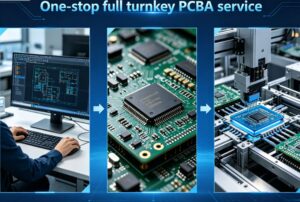
Integrated EMS services streamline the manufacturing process by combining:
- PCB fabrication
- Component sourcing
- SMT assembly
- Through-hole assembly
- Mixed technology assembly
- Testing
- Final inspection
This coordinated approach improves project visibility while reducing production lead times.
For OEMs, integrated manufacturing simplifies supplier management and reduces logistical complexity.
Quality Management Reduces Overall Costs
Quality should not be viewed solely as a compliance requirement.
According to manufacturing quality principles, preventing defects is generally far less expensive than correcting failures after production or shipment.
A comprehensive EMS quality system typically includes:
Incoming Quality Control (IQC)
Inspection of raw materials and electronic components before production.
In-Process Quality Control (IPQC)
Monitoring critical manufacturing parameters throughout assembly.
Automated Optical Inspection (AOI)
Verifying solder quality and component placement.
X-ray Inspection
Inspecting hidden solder joints for BGA and complex packages.
Functional Testing
Ensuring products perform according to design specifications.
Final Quality Control (FQC)
Comprehensive verification before shipment.
Advanced testing and inspection help reduce field failures while improving long-term product reliability.
Flexible Manufacturing Supports Product Innovation
Product development cycles continue to shorten across many industries.
OEMs increasingly require manufacturing partners capable of supporting multiple production stages.
These may include:
- Engineering prototypes
- Functional verification
- New Product Introduction (NPI)
- Pilot production
- Low-volume manufacturing
- High-volume production
A reliable EMS partner provides manufacturing flexibility while maintaining consistent quality standards throughout the product lifecycle.
This capability allows companies to scale production efficiently as market demand evolves.
Digital Manufacturing Is Transforming EMS
Industry 4.0 technologies are reshaping electronics manufacturing.
Modern EMS facilities increasingly utilize:
- Manufacturing Execution Systems (MES)
- Real-time production monitoring
- Automated SMT lines
- AI-assisted inspection
- Digital traceability
- Data-driven process optimization
According to Deloitte, digital manufacturing technologies can improve productivity by 10–20% while reducing downtime and improving product quality.
For OEMs, digital manufacturing provides greater transparency and more accurate production planning.
Sustainability Is Becoming More Important
Environmental responsibility is increasingly influencing manufacturing decisions.
Integrated EMS services can help reduce environmental impact through:
- Optimized logistics
- Improved material utilization
- Reduced packaging waste
- Efficient inventory management
- Energy-efficient manufacturing processes
Many global OEMs now consider environmental management systems and sustainable manufacturing practices when selecting supply chain partners.
Long-Term Partnerships Deliver Greater Value
The relationship between OEMs and EMS providers has evolved considerably.
Rather than focusing solely on manufacturing capacity, companies increasingly value long-term collaboration across:
- Engineering
- Procurement
- Manufacturing
- Quality assurance
- Logistics
- Product lifecycle management
A reliable EMS partner helps customers respond more effectively to changing market conditions while supporting continuous product improvement.
As technologies continue to advance, collaborative manufacturing partnerships will become increasingly important for maintaining competitiveness.
Looking Ahead
The future of electronics manufacturing will be shaped by electric mobility, artificial intelligence, industrial automation, renewable energy, medical technology, and connected devices. These industries require increasingly sophisticated PCB and PCBA solutions supported by efficient and resilient manufacturing ecosystems.
A reliable EMS partner contributes far beyond production capacity. Engineering expertise, integrated supply chain management, advanced quality systems, digital manufacturing capabilities, and flexible production planning all work together to improve manufacturing efficiency and reduce operational risks.
For OEMs navigating an increasingly complex global market, selecting the right EMS partner is not simply a sourcing decision—it is a strategic investment in long-term innovation, supply chain resilience, and sustainable business growth.
Contact Ring PCB
Whether you’re developing innovative electronic products or scaling up production, Ring PCB provides reliable PCB fabrication and PCB assembly services to support your project.
Email: rfq@ringpcb.com
Website: www.ringpcb.com