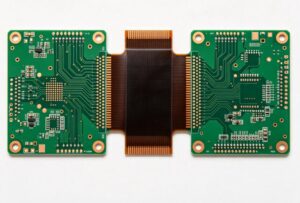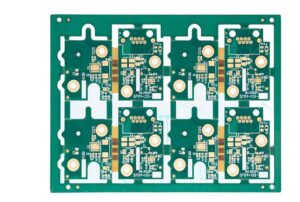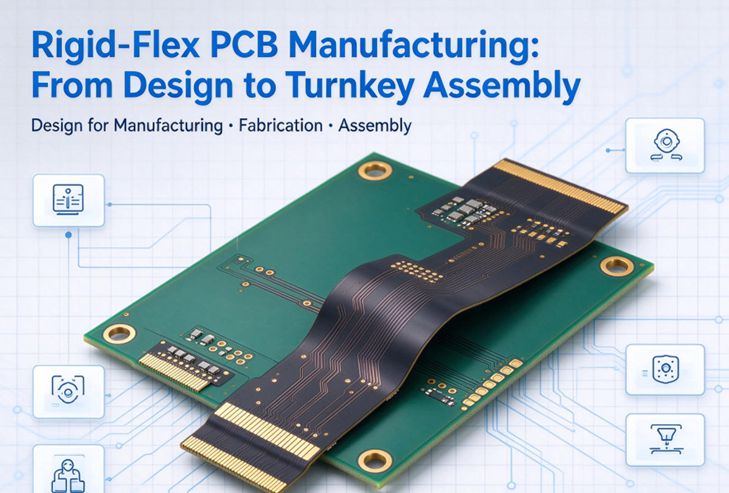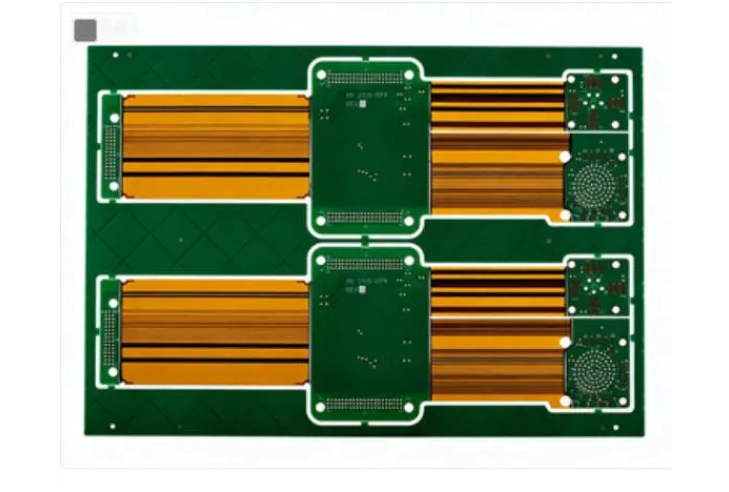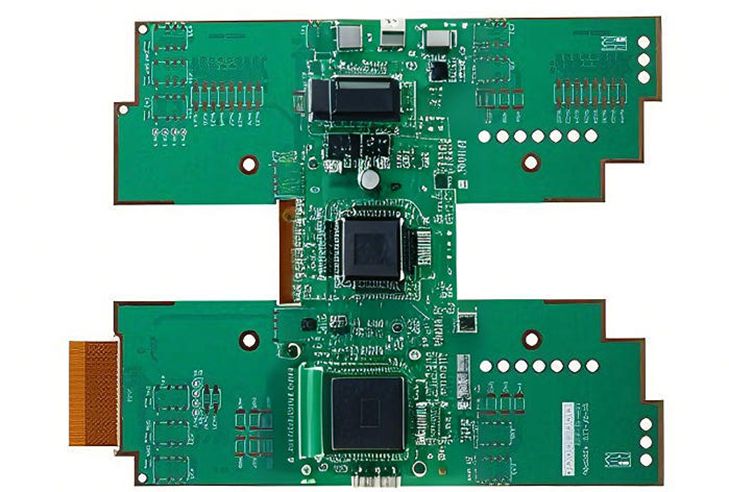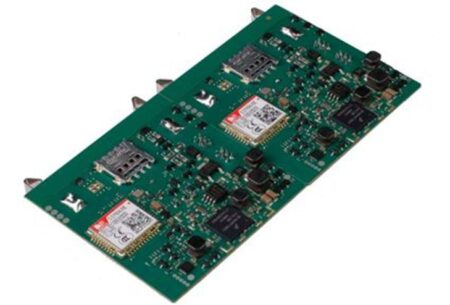

Many hardware engineers and procurement managers realize that rigid‑flex PCB sourcing cannot follow the same evaluation logic as standard rigid PCB purchasing. Rigid‑flex production demands specialized equipment, mature process parameters and strict quality control systems, which most general PCB factories cannot fully deliver. Even though market demand keeps rising, selecting an unqualified supplier will result in high prototype failure rate, unstable batch consistency and unexpected project delays. This article outlines practical evaluation dimensions for buyers when sourcing custom rigid‑flex PCB manufacturing services.
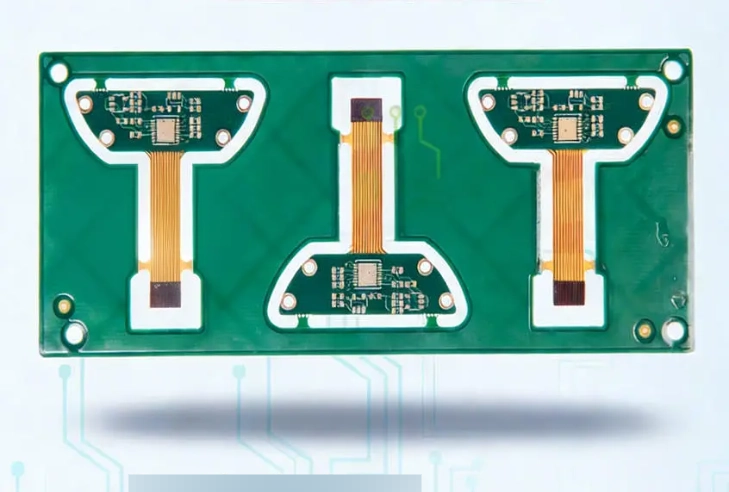
Verify Rigid‑Flex‑Specific Manufacturing Competency
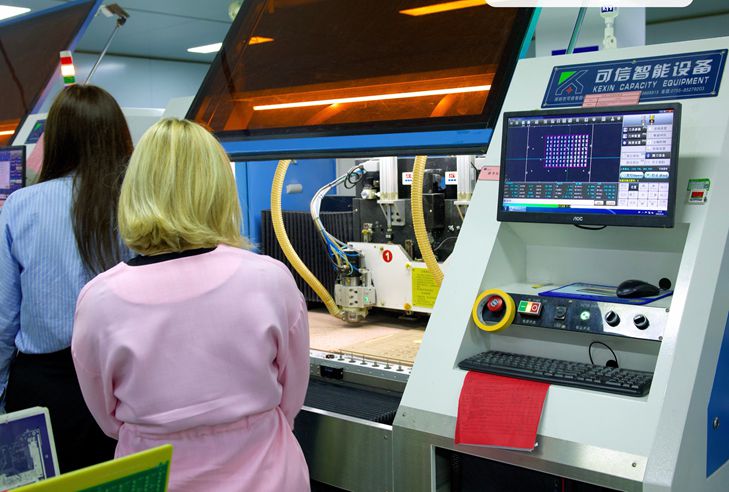
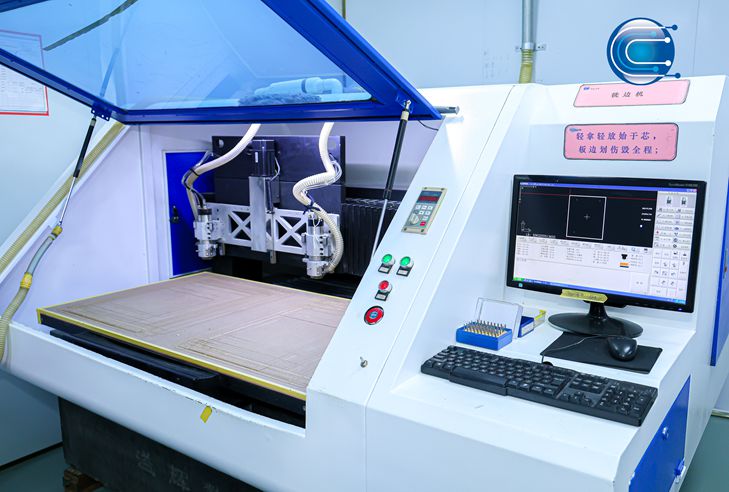
At first glance, many PCB suppliers claim they can produce rigid‑flex boards. However, you need to dig deeper into their actual capability. Rigid‑flex fabrication requires dedicated clean‑room environment, precise vacuum lamination equipment, special laser profiling tools and qualified inspection workflows for flexible transition zones.
Ask potential suppliers for past project references in your target industry, such as medical, industrial control or automotive electronics. You should also confirm whether they can handle critical technical items: custom stack‑up design, controlled bend radius selection, polyimide material grade options, and reliable testing for flex life performance. Generic PCB manufacturers often outsource rigid‑flex segments to third‑party subcontractors, which brings hidden risks on lead‑time, traceability and quality consistency.
Evaluate Quality Standards & Validation Capabilities
Certifications serve as important baseline but are not sufficient alone. For high‑reliability rigid‑flex applications, IPC‑6013 standards define clear requirements for flexible circuit performance. For medical or automotive projects, additional system certifications like ISO13485 or IATF16949 are strongly recommended.
Beyond certificates, check what physical tests the factory performs for rigid‑flex products. Key validations include thermal cycle testing, bending cycle test, impedance testing, and delamination inspection after lamination. Suppliers without complete in‑house test capacity cannot fully catch hidden defects that only appear under mechanical stress or temperature variation.
Balance Prototype Turnaround and Mass‑Production Stability
Project teams often focus only on prototype lead‑time. Nevertheless, you must confirm whether your selected manufacturer can maintain identical process standards from prototype to volume production. Some factories deliver acceptable samples but fail to stabilize yield during mass‑run for rigid‑flex orders, because multi‑layer rigid‑flex lamination is extremely sensitive to temperature, pressure and material batch variation.
When reviewing quotations, watch out for abnormally low pricing. Rigid‑flex PCB naturally carries higher material and processing cost compared with rigid PCB. Too‑low quotes usually mean simplified material grade or skipped inspection steps, which will generate reliability failures in end‑products.
Value of Direct In‑House Manufacturing Partner
Choosing a manufacturer with self‑owned production workshop removes intermediate links and enables full‑process control for complex rigid‑flex orders. Ring PCB provides in‑house rigid‑flex PCB manufacturing service, covering DFM consultation, prototype fabrication and volume production. We follow IPC‑6013 specifications and support custom material selection for medical, industrial and high‑reliability scenarios. Our engineering team will communicate closely with your design team to resolve stack‑up, bend‑zone and material‑matching concerns at early project phase.
If you want to discuss your custom rigid‑flex PCB manufacturing requirements, feel free to email rfq@ringpcb.com for detailed quotation.