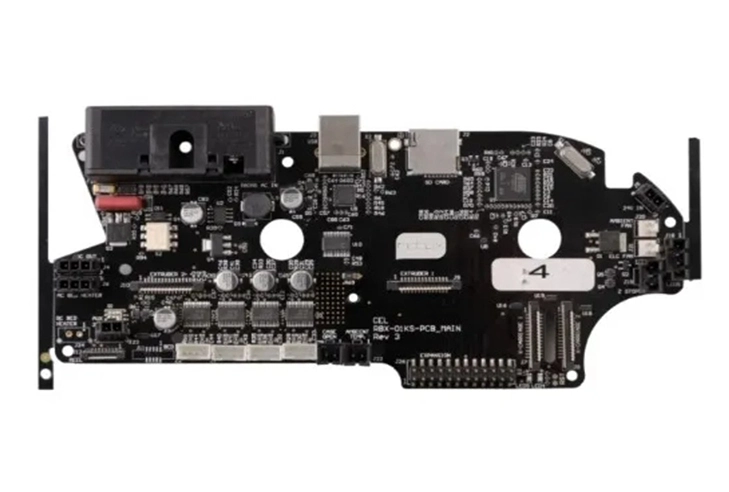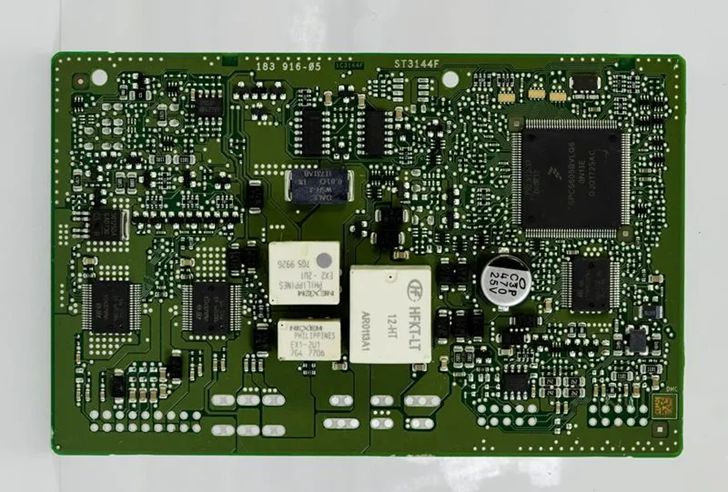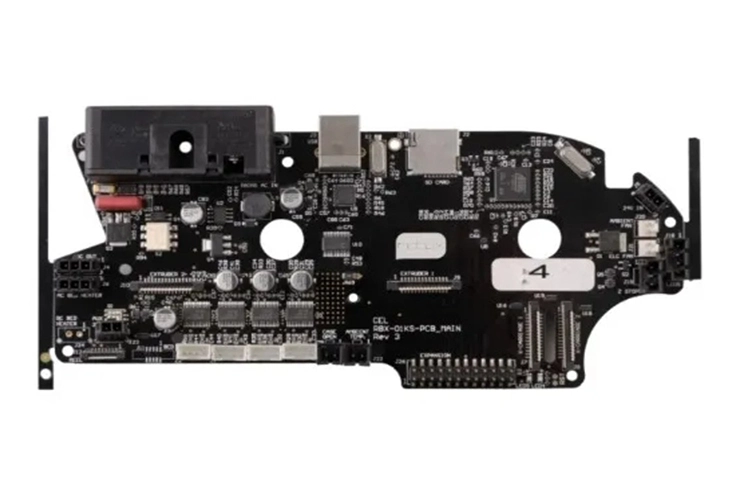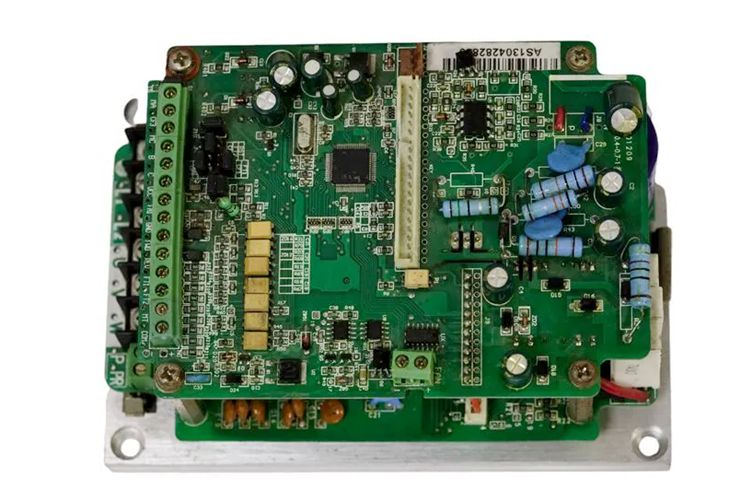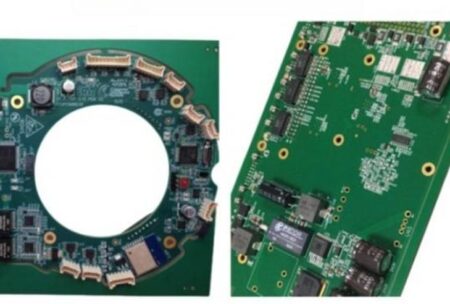
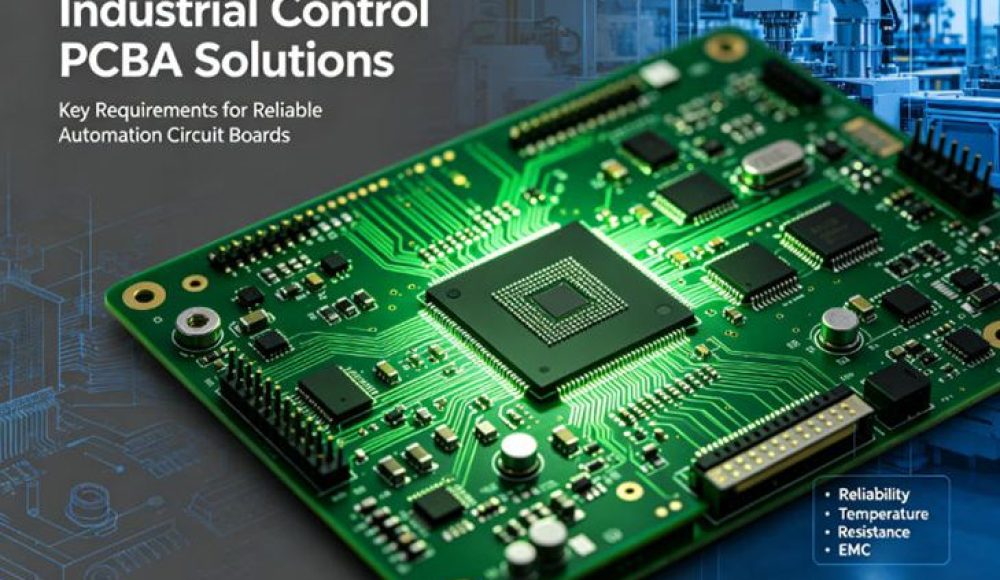
Industrial automation systems operate in challenging working conditions: wide temperature fluctuations, continuous vibration, dust exposure and electromagnetic interference. For system integrators and automation engineers, the stability of industrial control PCBA directly decides the uptime of production lines. A low-quality PCBA will trigger frequent downtime, maintenance costs and safety risks. That is why selecting PCBA solutions built for industrial scenarios becomes one of the core priorities in hardware development.
Operating Environment Resistance
Different from consumer electronics PCBAs, industrial control boards must maintain stable performance under extreme ambient conditions. Typical industrial equipment runs between -40°C and 85°C. Ordinary FR-4 substrates may suffer deformation or copper trace cracking after long-term thermal cycling. Industrial-grade base materials, high Tg laminates and stable solder mask are essential.
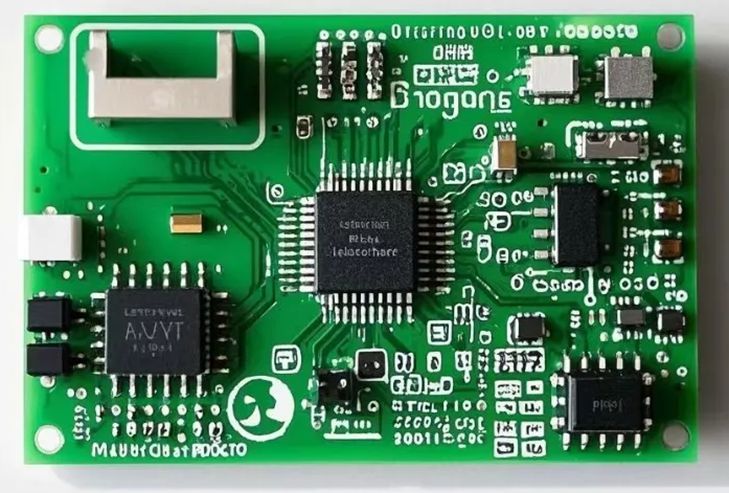
Vibration and shock are another common threat in factory workshops. Component soldering joints need to withstand mechanical shaking for years. Manufacturers should adopt optimized pad design and reliable soldering processes to avoid BGA or passive component detachment. Besides, electromagnetic compatibility (EMC) design must be fully considered. Poor EMC performance leads to signal distortion, communication failure between sensors and controllers.
Strict Testing Standards for Industrial PCBA
Complete testing procedures are non-negotiable for industrial control PCBA. Functional testing verifies whether each circuit module works as designed. ICT (In-Circuit Test) detects open circuits, short circuits and component errors before assembly. X-ray inspection is required for BGA and hidden solder joints, which cannot be checked by visual inspection alone.
Many industrial projects demand batch consistency. Prototype performance does not guarantee stable mass production. The PCBA supplier must keep consistent material sourcing, process parameters and quality control standards from small-batch trial to full-volume manufacturing. Every batch should retain test records for traceability, a basic requirement for industrial equipment certification.
Material & Component Selection Principles
Component selection follows industrial grading rules. Only industrial or automotive-grade electronic parts can be used for long-life automation equipment. Avoid commercial-grade chips, capacitors and resistors, which degrade quickly under harsh factory conditions.
Component supply continuity is also a major concern. Industrial machines often have a service life of 10 years or longer. Obsolete components may cause maintenance trouble in later stages. Experienced PCBA partners can help customers source long lifecycle components or provide alternative replacement suggestions when original parts are discontinued.
Full Lifecycle Support from Prototype to Mass Production
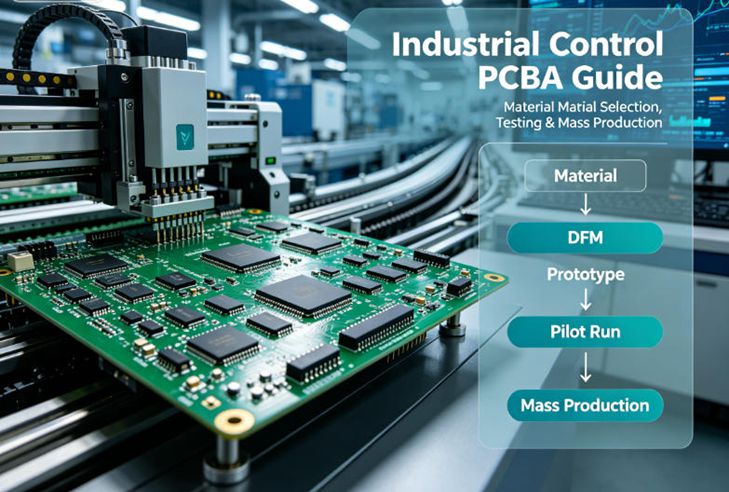
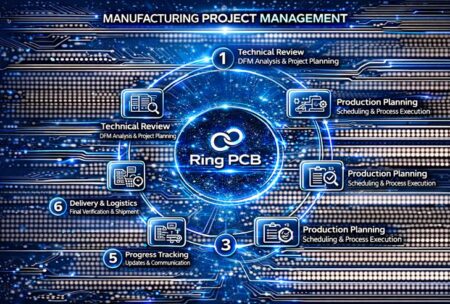
Most industrial hardware projects start with proof-of-concept prototypes. Engineers need fast turn-around samples to verify circuit performance. After prototype validation, projects move to pilot run and then mass production. A capable PCBA vendor should support the whole lifecycle.
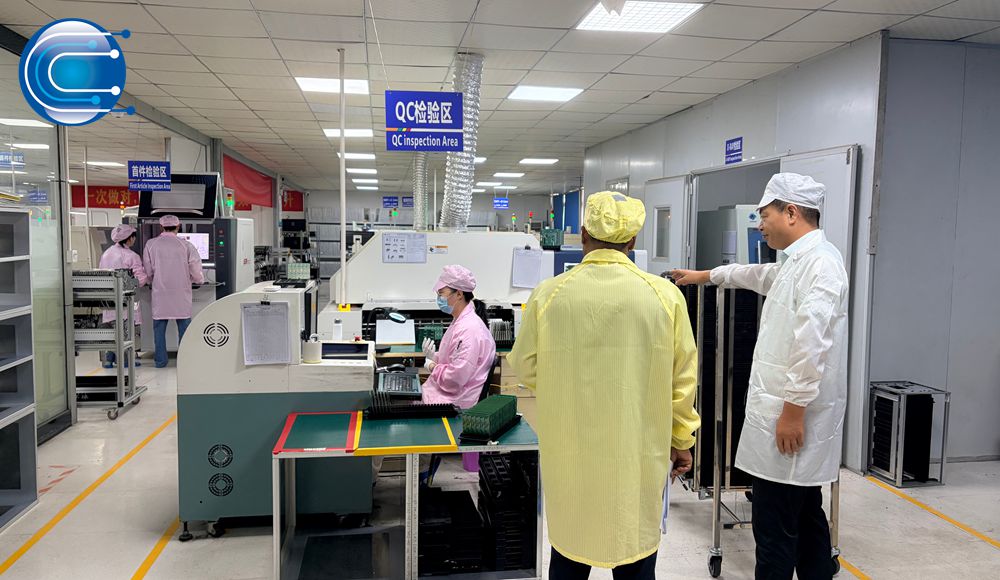
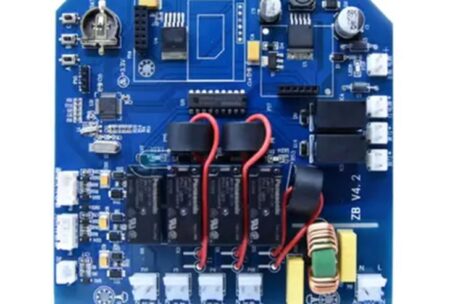
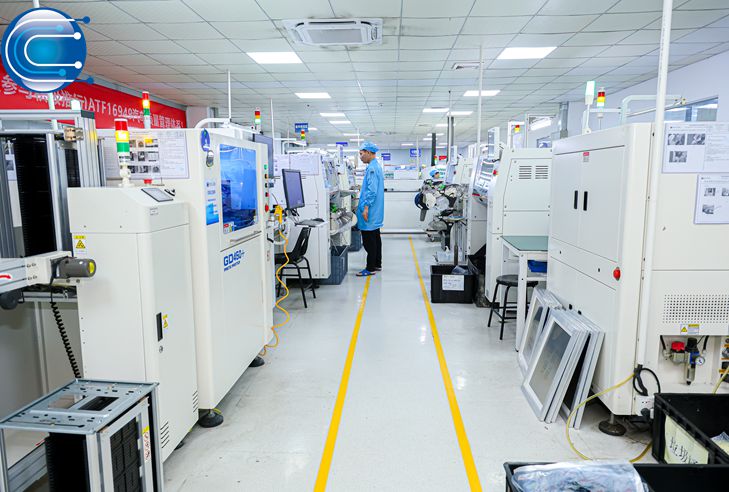
Ring PCB delivers reliable industrial control PCBA solutions for automation customers. With our in-house factory and mature quality management system, we provide PCB fabrication, SMT & THT assembly, component sourcing and full-turnkey services. Our team follows strict inspection standards to meet industrial stability demands, supporting rapid prototyping and scalable mass production. Whether you are developing PLC modules, motor driver boards or industrial sensor controllers, we can match your project specifications.
If you need to discuss your industrial control PCBA project, send your Gerber files and BOM list to rfq@ringpcb.com for a detailed quotation.