PCBA Manufacturing Process: Quality Inspection and First Article Inspection Explained
Introduction
For OEMs purchasing printed circuit board assemblies, product quality depends on more than component specifications or the price quoted by a supplier. Every stage of the PCBA manufacturing process—from solder paste printing and component placement to soldering, inspection, and electrical testing—can influence product reliability, production yield, and delivery schedules.
As electronic products become more compact and complex, fine-pitch components, BGA packages, higher component density, and demanding operating environments can make assembly defects more difficult to detect. Buyers therefore need more than a final visual check. They need a PCBA manufacturer with suitable inspection equipment, defined quality procedures, and the ability to identify potential problems before they affect larger production runs.
One important control point is First Article Inspection (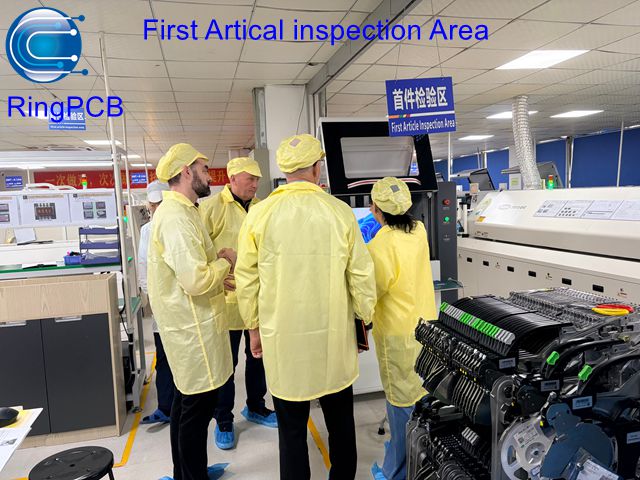 ). When properly planned, FAI helps verify that the initial assembly matches the approved manufacturing documentation and provides useful evidence of production readiness.
For procurement managers, engineers, and product developers, the key question is not simply whether a manufacturer performs inspections, but whether its inspection strategy addresses the actual risks of the product.
1. Understanding the PCBA Manufacturing Process
A typical PCBA manufacturing process includes several connected stages. Each requires appropriate process controls because defects introduced early may become more difficult and expensive to correct later.
Solder Paste Printing
For surface-mount technology (SMT) assembly, solder paste is deposited onto PCB pads through a stencil. Paste volume, alignment, and consistency influence subsequent solder-joint quality. Insufficient paste may contribute to weak or open joints, while excessive paste can increase the risk of solder bridging.
Solder Paste Inspection (SPI) can measure paste characteristics before components are placed. Identifying printing problems at this stage allows corrective action before they affect downstream operations.
Component Placement and Soldering
Pick-and-place equipment positions components according to the approved placement data and assembly program. Incorrect orientation, missing components, misalignment, or the use of an unintended part can compromise the finished assembly.
During reflow soldering, the thermal profile must suit the PCB design, component specifications, and solder paste. Through-hole components may require wave soldering, selective soldering, or manual soldering, depending on the product and assembly requirements.
Stable production depends on more than automated equipment. Correct BOM data, verified component packages, suitable machine programs, and controlled soldering parameters are equally important.
Post-Soldering Inspection and Testing
After soldering, assemblies may undergo Automated Optical Inspection (AOI), X-ray inspection, electrical testing, and functional testing. The appropriate combination depends on the component packages, product risks, customer requirements, and production volume.
These methods serve different purposes. AOI evaluates visible assembly features; X-ray can reveal certain hidden solder-joint conditions; electrical tests check specified electrical characteristics; and functional tests assess whether the assembly operates as intended.
No single inspection method can verify every aspect of PCBA quality. A reliable inspection plan combines complementary methods according to the product’s requirements.
2. Which PCBA Quality Inspection Methods Matter Most?
When evaluating a PCBA manufacturer, buyers should understand what each inspection method can—and cannot—verify.
Solder Paste Inspection (SPI)
SPI helps identify printing inconsistencies before component placement. It can assess paste volume, coverage, height, and alignment, depending on the system’s capabilities.
Because it operates early in the process, SPI can help prevent recurring printing defects from affecting an entire production batch.
Automated Optical Inspection (AOI)
AOI uses imaging and programmed inspection criteria to identify visible defects, such as missing or misplaced components, polarity errors, solder bridges, and certain solder-joint abnormalities.
However, AOI cannot directly inspect hidden solder joints beneath BGA and similar bottom-terminated packages. Its effectiveness also depends on suitable programming, inspection thresholds, lighting, and ongoing verification.
For buyers, the important consideration is not merely whether a supplier owns AOI equipment, but how the equipment is configured and used within the quality-control process.
X-Ray Inspection
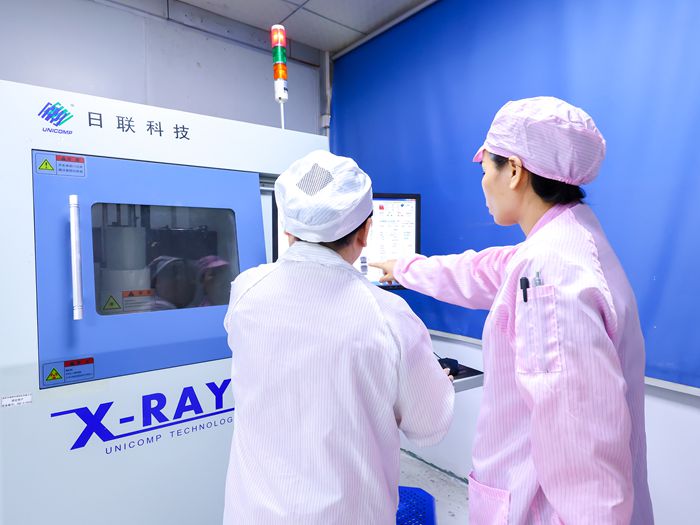 inspection is useful for assemblies containing BGA, QFN, LGA, or other packages with solder joints that cannot be adequately assessed from above. Depending on the package and inspection setup, it can help identify solder bridges, missing connections, and certain voiding or solder-distribution issues.
Not every board requires the same X-ray coverage. Customers should discuss whether inspection is needed for all units, selected samples, or specific high-risk locations, and how acceptance criteria will be established.
Electrical and Functional Testing
In-circuit testing (ICT) and flying-probe testing can identify specified electrical faults within the capabilities of the test system. Functional testing evaluates the assembly against defined operating requirements.
The appropriate choice depends on test access, product complexity, design maturity, production quantity, and fixture costs. Flying-probe testing may suit prototypes and low-volume builds, while fixture-based ICT may be more practical for stable, higher-volume production.
The objective is to choose a test strategy that addresses actual product risks rather than requiring every available test by default.
3. Why First Article Inspection (FAI) Is Critical
First Article Inspection is an important checkpoint before a new PCBA design, production setup, or significant process change moves into routine manufacturing.
The initial assembled board provides an opportunity to verify whether the manufacturing documentation, materials, machine programs, component placement, soldering process, and inspection methods work together as intended.
Depending on the project, an FAI may include:
- BOM verification: Confirming part numbers, values, package types, and approved substitutions.
- Placement verification: Checking component locations, orientation, and polarity against assembly data.
- Solder-joint inspection: Evaluating workmanship and applying AOI or X-ray where appropriate.
- Electrical or functional checks: Confirming specified electrical performance and operating behavior.
- Documentation review: Recording inspection results, discrepancies, corrective actions, and approval status.
FAI is particularly useful when launching a new product, changing a component supplier, introducing a revised PCB layout, or transferring production to another factory.
What Should Buyers Request in an FAI Report?
Before approving volume production, customers should agree with the PCBA manufacturer on the inspection scope and required records. Depending on the project, an FAI report may document the board revision, BOM status, component verification, inspection findings, test results, deviations, and corrective actions.
If a discrepancy is found, the manufacturer and customer should clarify whether it affects functionality, reliability, compliance, or the approved configuration. Necessary corrections should be verified before routine production proceeds.
This step helps reduce the risk of repeating the same error across a large batch and creates a reference point for subsequent production lots and engineering changes.
4. How to Evaluate a PCBA Manufacturer’s Quality System
When comparing PCBA manufacturers, buyers often focus on unit price, lead time, and equipment lists. These factors matter, but they do not fully explain how consistently a supplier can deliver conforming assemblies.
Ask where SPI, AOI, X-ray, electrical testing, and final inspection are used, and how inspection results trigger corrective action. Confirm how the supplier verifies material identity and controls substitutions. For products requiring detailed quality records, ask which inspection and production records can be retained and retrieved.
It is also important to understand how nonconformities are managed. A capable manufacturer should have a defined approach to isolating affected products, investigating root causes, implementing corrective actions, and verifying the results.
Finally, confirm whether the supplier can support your product’s stage of development. Prototype builds, new product introduction, low-volume orders, and mass production may require different inspection plans and testing resources.
5. PCBA Quality Control at Ring PCB
Choosing a manufacturing partner means finding a supplier that understands the relationship between manufacturing processes, inspection requirements, and delivery objectives.
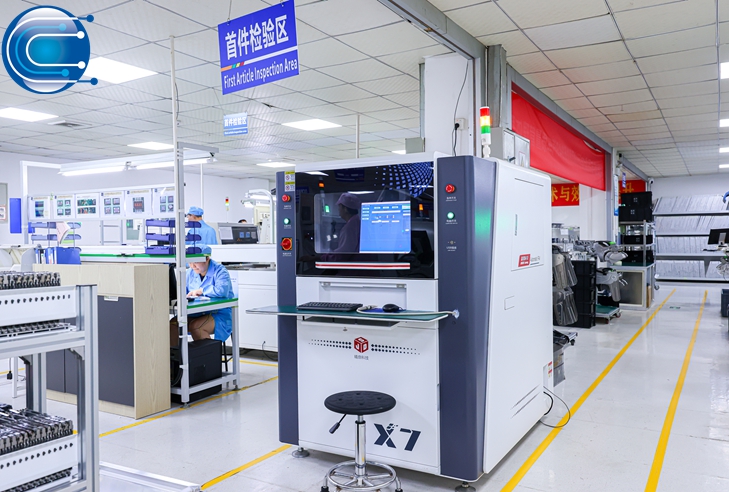
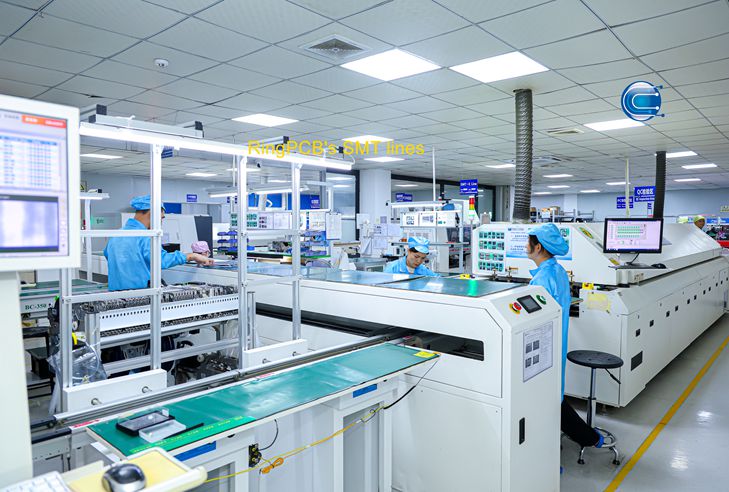
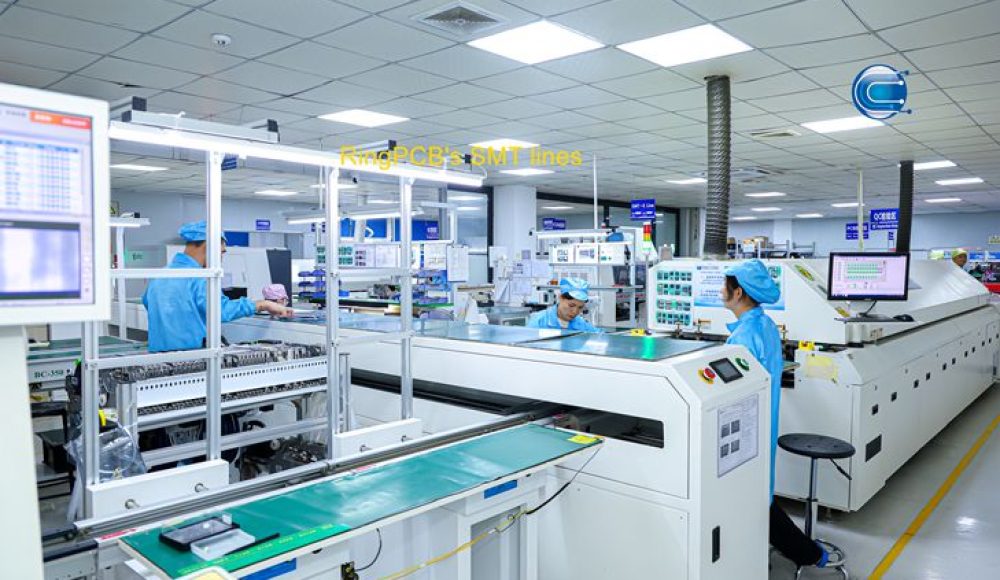
Ring PCB operates a 10,000-square-meter, company-owned factory and is equipped with advanced, up-to-date first article inspection equipment. These resources support our PCB fabrication and PCBA manufacturing operations, helping customers verify initial assembly quality and identify potential issues before volume production, according to project-specific inspection requirements.

Our services include component sourcing, SMT and through-hole assembly, and inspection and quality-control processes aligned with agreed project specifications. Customers can provide Gerber files, BOM documentation, and assembly requirements so that the manufacturing and inspection scope can be clarified before production begins.
Ring PCB can support PCB prototypes in as little as three days and qualifying PCB/PCBA production schedules as short as seven days, subject to project complexity, material availability, and agreed requirements.
Whether you are preparing a new product for its first build or looking for a manufacturing partner for ongoing production, discussing inspection requirements early helps establish shared expectations for quality, documentation, and delivery.
Conclusion
Reliable PCBA manufacturing requires coordinated process controls, appropriate inspection methods, and clear acceptance criteria. SPI, AOI, X-ray, electrical testing, and functional testing each provide different information, while First Article Inspection helps verify that the initial build is ready to progress under the agreed production plan.
For B2B buyers, the goal is not simply to find a supplier that performs inspections. It is to select a PCBA manufacturer that can apply appropriate quality controls, document relevant results, and address problems before they affect larger production runs.
To discuss your PCBA manufacturing or first article inspection requirements, contact Ring PCB at rfq@ringpcb.com.