Introduction
A PCB assembly project can experience unexpected costs long before the first production batch reaches the assembly line. In many cases, the problem is not a lack of manufacturing capacity, but incomplete engineering information, unresolved component issues, or insufficient coordination between the customer and the PCBA manufacturer.
For OEMs, these problems can lead to repeated quotations, engineering changes, assembly delays, and avoidable rework. A board that appears ready for production may still contain inconsistencies between the bill of materials (BOM), Gerber files, assembly drawings, component specifications, and test requirements.
This is why New Product Introduction (NPI) deserves greater attention in PCBA manufacturing. A structured NPI process helps engineering, procurement, and manufacturing teams identify potential issues before they become expensive production problems.
Rather than treating the first assembly as an isolated order, businesses should view NPI as a planned transition from engineering documentation to a repeatable manufacturing process.
1. Why PCBA Projects Encounter Problems Before Production
Many manufacturing delays originate in information gaps rather than equipment limitations.
Incomplete or Inconsistent Manufacturing Files
A PCBA manufacturer typically needs a defined set of files to prepare an assembly project. These may include Gerber files, a BOM, centroid or pick-and-place data, assembly drawings, PCB specifications, and relevant testing requirements.
When these documents do not match, the manufacturer may need to request clarification before production can proceed. For example, the BOM may specify a component that differs from the footprint shown in the PCB layout, or the assembly drawing may contain an outdated reference designation.
Even a small discrepancy can affect component placement, purchasing decisions, or inspection programming.
To reduce this risk, customers should establish a controlled document package and clearly identify the applicable revision of each file. Engineering changes should be communicated formally rather than introduced through disconnected email attachments.
Component Availability and Package Compatibility
A component listed in the BOM is not necessarily ready for immediate production. It may have an extended lead time, a minimum order quantity, a discontinued status, or packaging requirements that affect automated assembly.
Component selection can also create manufacturing challenges. Fine-pitch packages, unusual component dimensions, thermal requirements, and restricted placement areas may require additional process planning.
Therefore, BOM review should consider both electrical requirements and manufacturing feasibility. When a component presents a supply or assembly risk, the customer and manufacturer should discuss acceptable alternatives before committing to a production schedule.
Unclear Acceptance and Testing Requirements
Another common source of delay is an undefined understanding of what constitutes an acceptable assembly.
For example, a customer may expect functional testing on every unit, while the original quotation covers only assembly and standard inspection. Similarly, conformal coating, programming, labeling, serialization, or special packaging may be omitted from the initial scope.
Testing, workmanship criteria, documentation, and any additional processing should therefore be agreed upon before the order is finalized.
2. How DFM Review Improves PCBA Manufacturability
Design for Manufacturability (DFM) review helps identify potential production difficulties before assembly begins. Although the customer remains responsible for design decisions, a PCBA manufacturer can review manufacturing files and flag issues that may affect assembly feasibility, yield, or cost.
Review Component Spacing and Assembly Access
Component spacing can affect placement accuracy, soldering, inspection, and rework access. Closely positioned components may create challenges for solder paste printing or increase the risk of bridging. Components placed near board edges may require special handling or panelization considerations.
A manufacturing review should consider the actual component packages, PCB geometry, assembly process, and available equipment rather than relying on general design rules alone.
Check Package, Footprint, and Polarity Details
Incorrect footprints or unclear polarity markings can cause assembly errors even when the component itself is correct.
For polarized components, connectors, diodes, and integrated circuits with orientation requirements, the assembly documentation should make the intended orientation clear. The manufacturer should also flag inconsistencies between BOM descriptions, footprint assignments, and assembly drawings.
Consider Thermal and Soldering Requirements
Large copper areas, thermal pads, mixed component sizes, and heat-sensitive components can influence soldering behavior. For example, a component connected to a large copper plane may require careful thermal-profile development to achieve appropriate soldering conditions.
These issues are easier to address before the first build than after an entire batch has been assembled.
Useful DFM feedback should be specific and actionable. It should identify the affected feature, explain the manufacturing concern, and propose a question or possible corrective action for the customer to evaluate.
3. Build a More Reliable NPI Process
A structured NPI process creates a clear sequence of activities between project release and routine manufacturing.
Step 1: Establish a Controlled Document Package
The customer and PCBA manufacturer should confirm the latest approved versions of the Gerber files, BOM, placement data, assembly drawings, and testing instructions.
Any missing information should be resolved before production preparation is completed. This reduces the likelihood of purchasing or assembling components against outdated documentation.
Step 2: Complete Engineering and Procurement Reviews
The engineering review examines manufacturability, assembly complexity, and process requirements. In parallel, the procurement review checks component availability, approved manufacturers, lifecycle status, and potential sourcing constraints.
Combining these reviews helps identify problems that might otherwise emerge at different stages of the project.
Step 3: Define the Prototype Build Objective
A prototype build should have a clear purpose. It may verify basic assembly feasibility, confirm component fit, evaluate electrical functionality, or prepare a product for a later qualification stage.
The build quantity and testing scope should match the objective. A small engineering prototype does not automatically establish that a design is ready for high-volume manufacturing.
Step 4: Record Issues and Close Corrective Actions
After the initial build, the team should document assembly issues, functional failures, deviations, and proposed changes.
Each issue should have an owner and a defined resolution. If a correction changes the PCB layout, BOM, assembly program, or test procedure, the updated information must be controlled and approved before the next build.
Step 5: Establish Production Readiness
Before routine manufacturing begins, confirm that the approved documentation, component supply plan, assembly process, inspection criteria, and test requirements are aligned.
For products with formal qualification requirements, the customer should also define any additional validation, reliability testing, or regulatory activities that must be completed before release.
4. How First Article Inspection Supports NPI
First Article Inspection (FAI) can be a valuable checkpoint within NPI because it helps verify whether the initial assembly matches the approved requirements and whether potential discrepancies need to be resolved before volume production.
Depending on the project, FAI may involve checking component identity and orientation, reviewing solder-joint quality, confirming the board revision, and conducting agreed electrical or functional tests. The inspection scope should be defined according to the product’s complexity and risk.
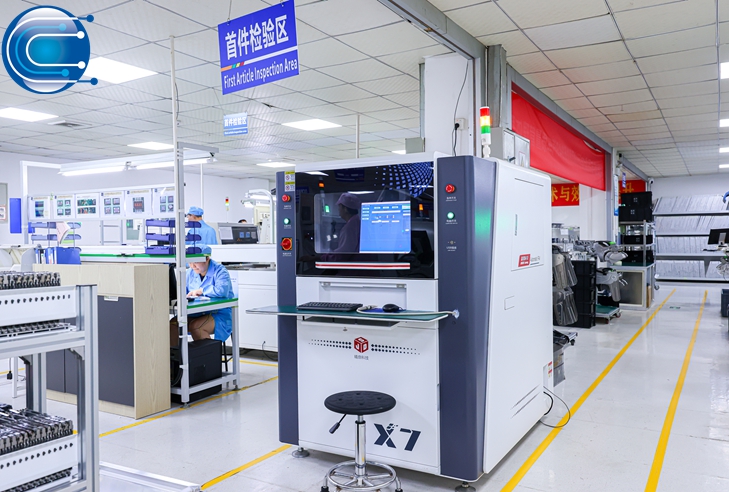
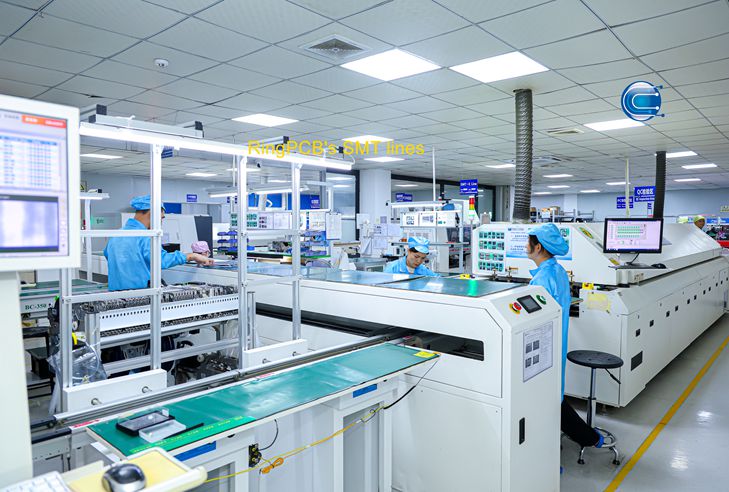
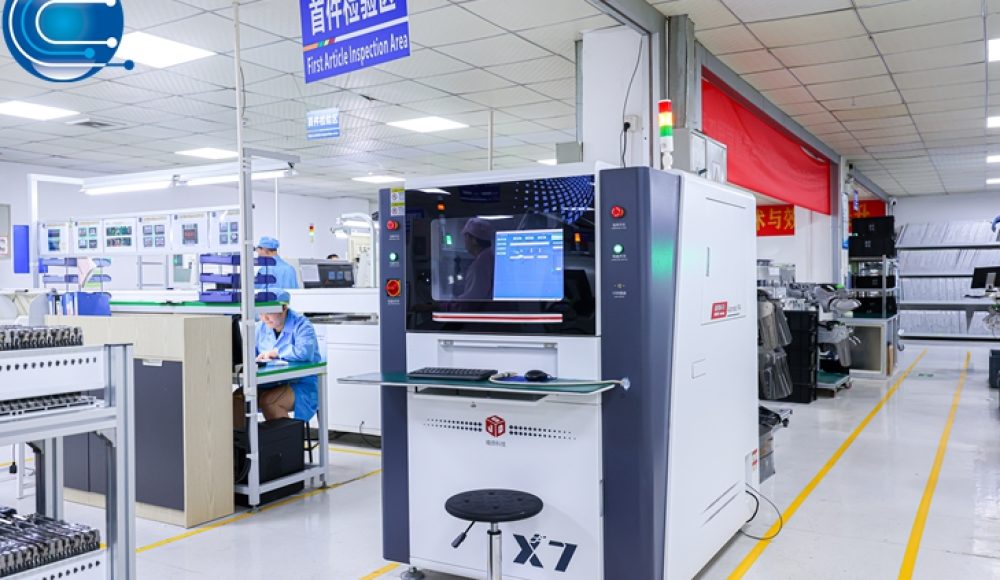
Ring PCB operates a 10,000-square-meter, company-owned factory and is equipped with advanced, up-to-date first article inspection equipment. These resources support initial assembly verification and help identify potential issues before routine production, according to the agreed inspection scope.
For customers introducing a new product, the value of FAI lies not only in inspecting the first board but also in documenting discrepancies, confirming corrective actions, and establishing a clear basis for production release.
5. Measuring the Cost of Poor NPI Planning
The lowest initial assembly quotation does not always result in the lowest total project cost.
A more complete assessment includes engineering clarification, expedited components, PCB revisions, additional setup, scrap, rework, repeat testing, and delayed delivery. Some of these costs may not appear on the original quotation but can still affect the customer’s launch schedule and profitability.
OEMs should therefore evaluate PCBA manufacturers by their ability to clarify scope, identify risks early, communicate changes, and support a controlled production ramp.
Useful project indicators may include the number of unresolved engineering questions at release, first-pass yield, recurring defect categories, rework hours, engineering-change frequency, and on-time delivery performance. These indicators should be interpreted together rather than used in isolation.
6. Choosing a PCBA Manufacturer for NPI
When evaluating a potential manufacturing partner, ask whether the supplier can review the files you provide, explain manufacturability concerns, identify component sourcing risks, and clarify the production and testing scope.
It is also important to understand how the manufacturer handles engineering changes. A clear revision-control process helps prevent outdated files or unapproved substitutions from entering production.
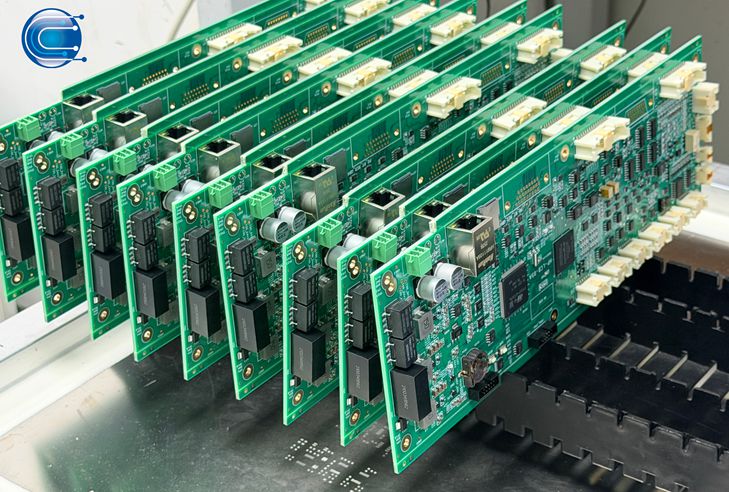
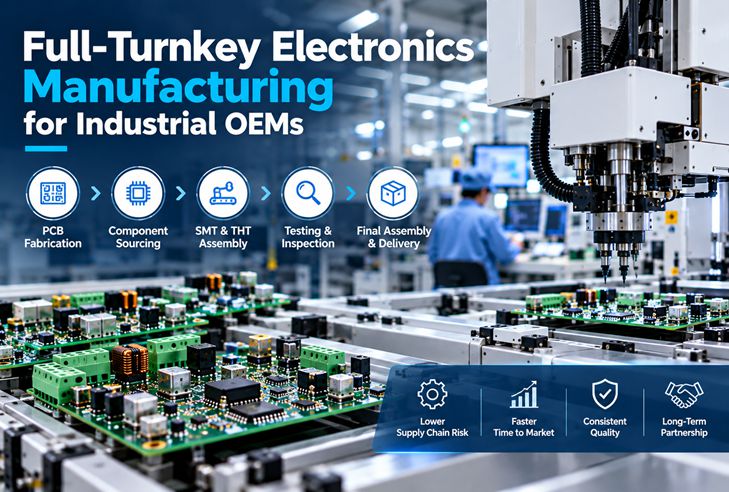
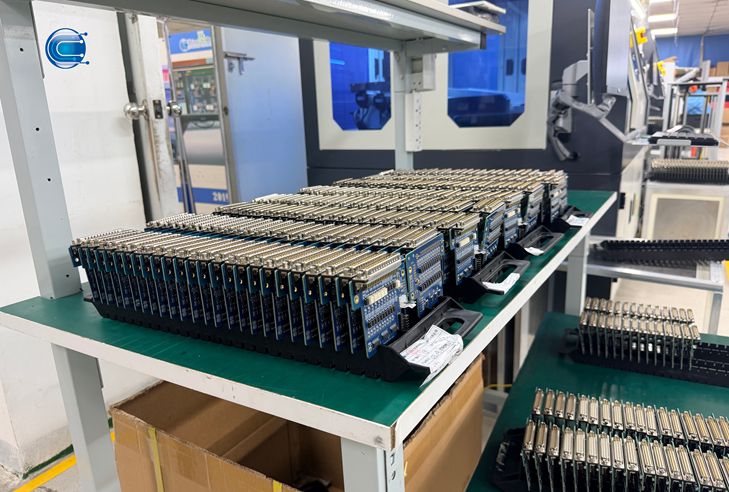
Ring PCB supports PCB fabrication and PCBA manufacturing, including component sourcing, SMT and through-hole assembly, and inspection and quality-control processes aligned with project requirements. Customers can submit Gerber files and BOM documentation for manufacturing review and quotation.
Ring PCB can support PCB prototypes in as little as three days and qualifying PCB/PCBA production schedules as short as seven days, depending on project complexity, material availability, and agreed requirements.
For OEMs preparing a new product or transferring an existing assembly to a new supplier, early communication about documentation, manufacturability, FAI, and testing requirements can help establish a more predictable production plan.
Conclusion
Successful PCBA manufacturing begins before components reach the assembly line. Controlled engineering files, practical DFM review, early component checks, and a structured NPI process help reduce preventable errors and support a smoother transition to production.
For B2B customers, the objective is not simply to build the first board. It is to establish a manufacturing process that can consistently meet the product’s requirements as production scales.
To discuss your project requirements or request a PCBA manufacturing quotation, contact Ring PCB at rfq@ringpcb.com.