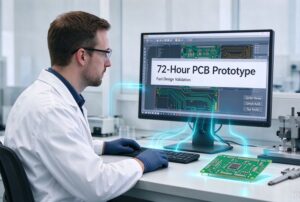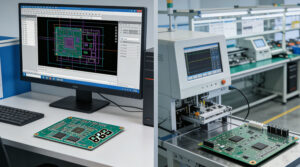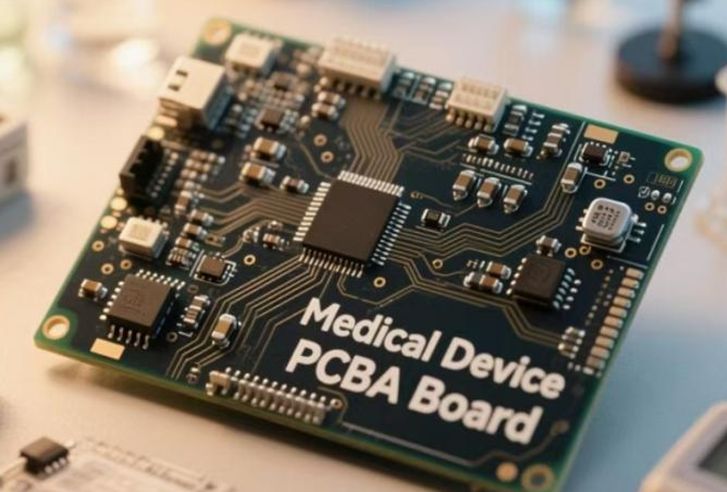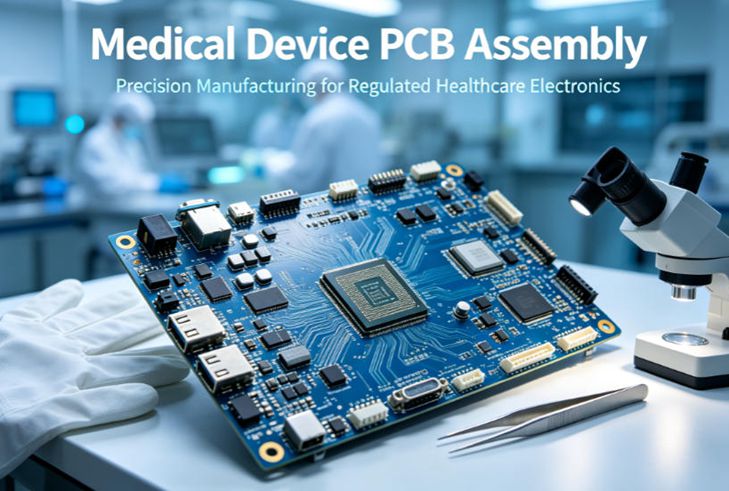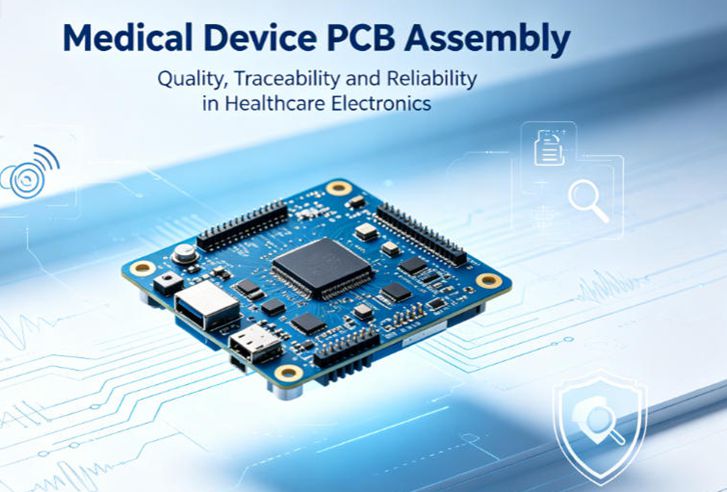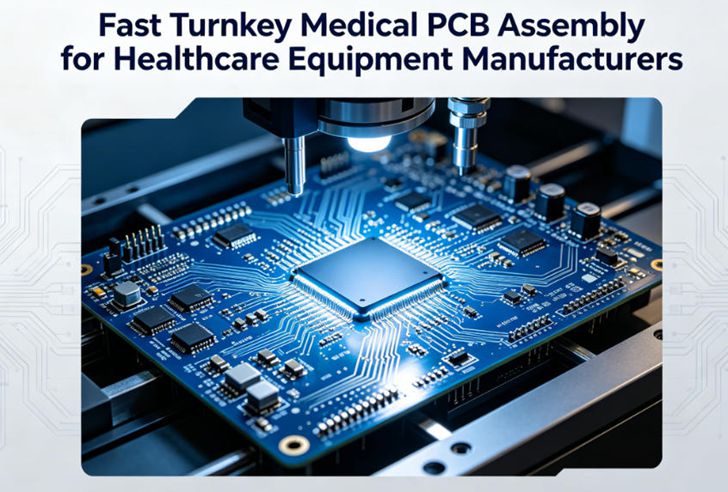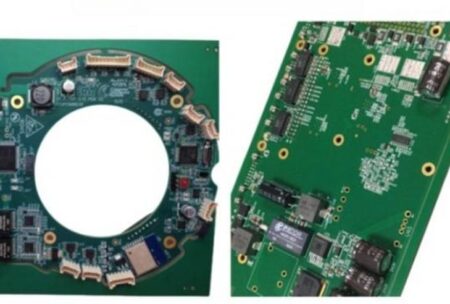
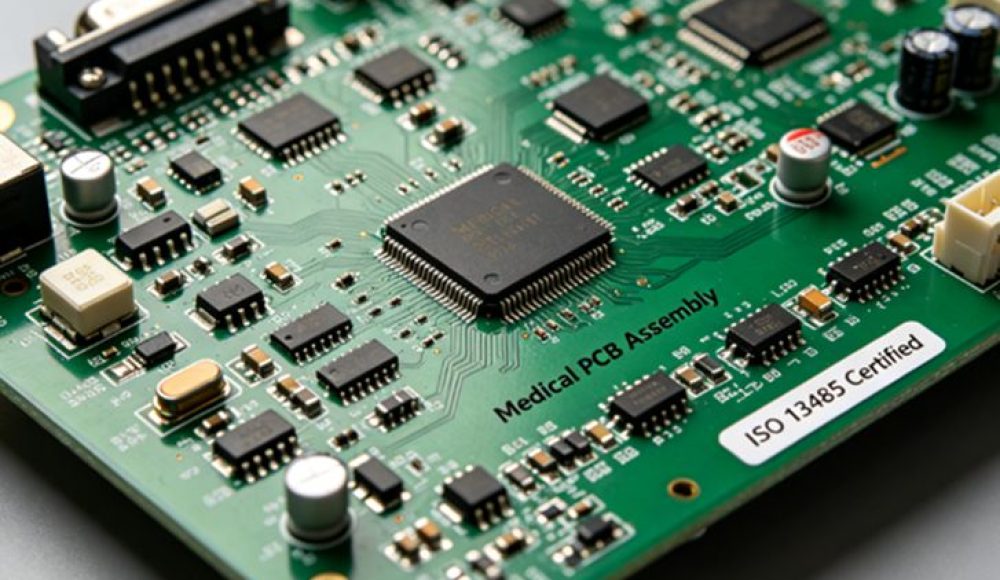
Medical Device PCBA plays a critical role in the performance and reliability of patient monitoring systems, diagnostic instruments, and other healthcare electronics. However, manufacturers often face challenges when sourcing PCB fabrication, electronic components, and assembly services from different suppliers. These fragmented processes can increase communication costs, complicate quality control, and extend production lead times.
Ring PCB addresses these challenges through integrated PCB fabrication and full-turnkey PCBA services. Founded in 2008 in Shenzhen, China, Ring PCB combines 18 years of manufacturing experience with advanced SMT assembly equipment, in-house inspection systems, and ISO 13485 quality management. Whether you need a prototype or a production-ready assembly, you can customize your medical electronics PCB solution according to your design and application requirements.
What Is Medical Device PCBA?
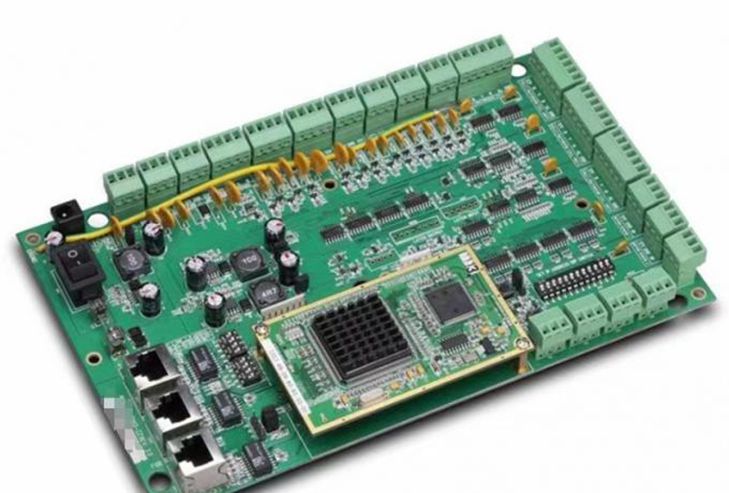
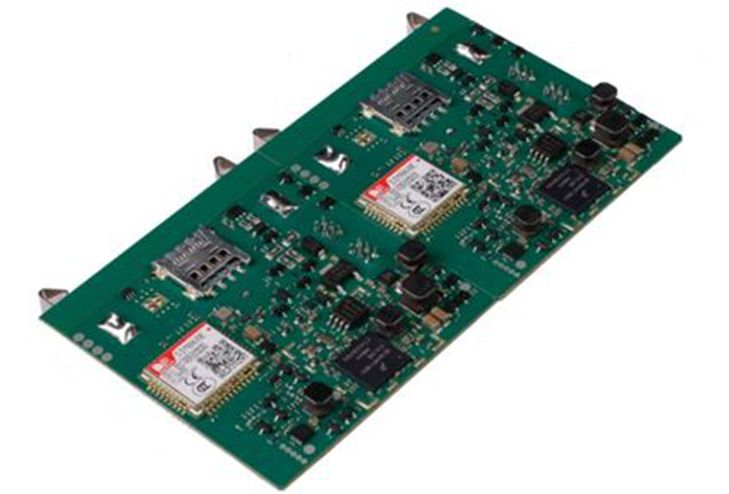
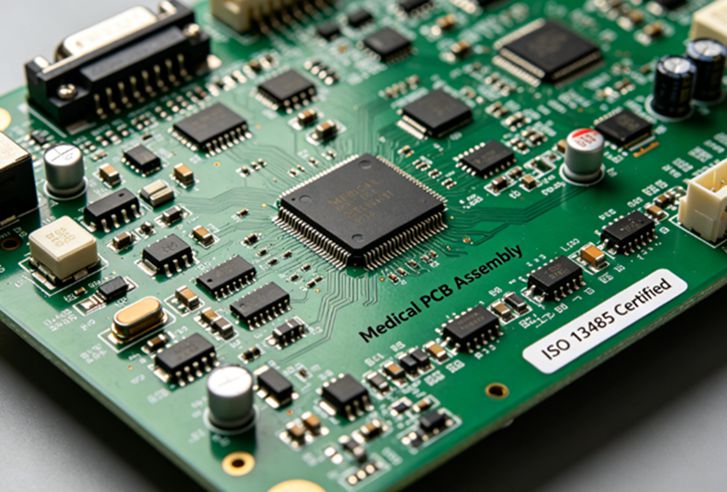
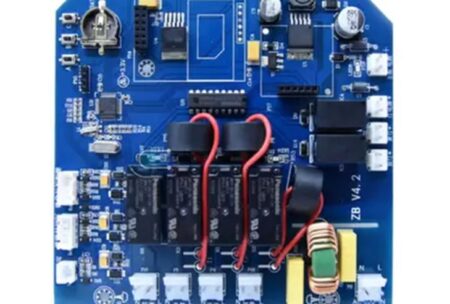
Medical Device PCBA refers to a printed circuit board assembly that integrates electronic components onto a bare PCB to perform specific functions in medical and healthcare equipment.
The assembly process typically involves Surface Mount Technology (SMT), through-hole soldering, component placement, and electrical testing. Depending on the equipment design, manufacturers may also require multilayer PCB structures, controlled signal routing, and specialized materials.
Unlike standard consumer electronics, medical electronics place greater emphasis on manufacturing consistency, component traceability, and long-term operational reliability.
Key Requirements for Medical PCB Assembly
When selecting a medical PCB assembly manufacturer, you should evaluate several technical and quality-related factors.
1. Reliable Manufacturing and Quality Control
Medical equipment may operate continuously or collect patient data in real time. Therefore, PCB assemblies must maintain stable electrical performance under their intended operating conditions.
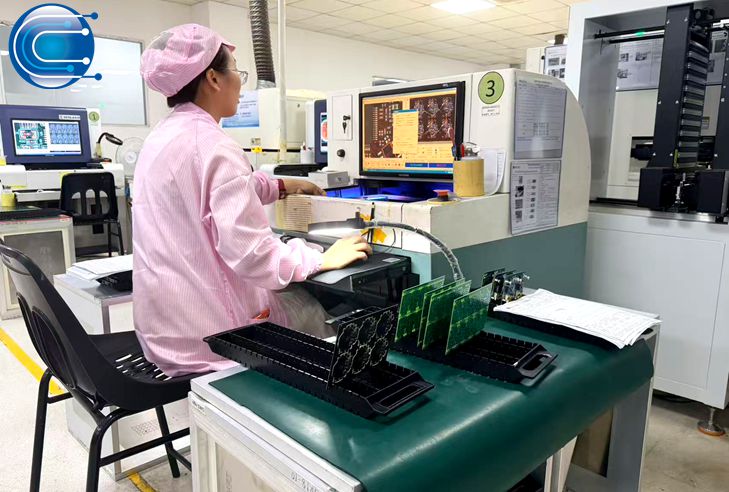
Ring PCB uses AOI and X-ray inspection equipment to identify potential soldering and assembly defects. Its quality management systems include ISO 9001 and ISO 13485, supporting structured manufacturing and quality control processes.
2. Precision SMT Assembly
Modern medical devices often use compact electronic designs with high component density. Precision SMT placement helps manufacturers assemble miniature components accurately and maintain consistency across production batches.
Ring PCB operates high-speed pick-and-place machines, stencil printers, and 8-stage lead-free reflow ovens to support customized PCB assembly projects.
3. Multilayer PCB and 2 oz Copper Fabrication
Some medical electronics require complex circuit routing, stable power distribution, and effective thermal management.
Ring PCB supports:
-
2–12 layer configurations for the featured medical PCBA product, with customization available.
-
FR-4, High-TG, and Rogers PCB materials.
-
2 oz copper PCB fabrication.
-
ENIG, HASL, and OSP surface finishes.
-
Custom PCB thickness and trace spacing.
Beyond the featured product specifications, Ring PCB can manufacture multilayer PCBs with up to 62 layers for projects requiring more complex circuit structures.
Medical Device PCBA Technical Specifications
The following table outlines the reference specifications for Ring PCB’s customized medical electronics PCB assembly solutions.
| Parameter | Specification |
|---|---|
| PCB Layer Count | 2–12 layers, customizable |
| Copper Thickness | 2 oz, customizable |
| PCB Material | FR-4 / High-TG / Rogers |
| Surface Finish | ENIG / HASL / OSP |
| Minimum Trace Width/Spacing | 0.1 mm / 0.1 mm |
| PCB Thickness | 0.6–2.0 mm |
| Assembly Technology | SMT + Through-Hole |
| Inspection Methods | AOI / X-ray / Functional Testing |
| Production Volume | Prototype / Small Batch / Mass Production |
| Quality Standards | ISO 13485 / ISO 9001 |
Note: These are reference specifications. Actual manufacturing parameters depend on your PCB design, component selection, and application requirements.
Applications of Medical Device PCBA
Medical PCB assemblies support electronic control, signal processing, data acquisition, and communication across different healthcare applications.
Common applications include:
-
Patient Monitoring Systems: ECG monitors, blood pressure monitors, pulse oximeters, and wearable health monitoring devices.
-
Diagnostic Equipment: Ultrasound systems, laboratory analyzers, and diagnostic instruments.
-
Medical Imaging Systems: Electronic control and signal processing boards for imaging equipment.
-
Dental Equipment: Dental chairs, oral scanners, and dental imaging systems.
-
Surgical and Therapy Devices: Infusion pumps, surgical instruments, and rehabilitation equipment.
-
Portable Medical Devices: Handheld diagnostic tools and portable ECG monitors.
-
Smart Healthcare Devices: Connected medical equipment supporting wireless communication and remote monitoring.
For example, an ECG monitoring device requires a PCB assembly capable of processing low-level physiological signals while maintaining stable electronic performance. The PCB layout, component selection, and assembly quality all influence the overall performance of the finished equipment.
How to Manufacture Custom Medical Device PCBA
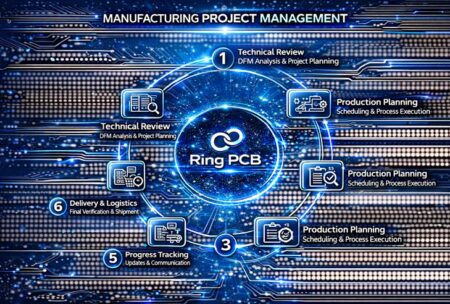
A structured manufacturing workflow helps you manage quality, component availability, and production schedules.
Ring PCB provides an integrated process covering the following stages:
-
Design File Review: Submit your Gerber files, BOM, and assembly drawings. Ring PCB’s engineering team reviews the design and identifies potential manufacturing issues.
-
PCB Fabrication: Manufacture the bare PCB according to your required layer count, copper thickness, material, and surface finish.
-
Component Sourcing: Procure electronic components according to your BOM and project specifications.
-
SMT and Through-Hole Assembly: Complete component placement, reflow soldering, and through-hole assembly.
-
Inspection and Testing: Apply AOI, X-ray inspection, and functional testing as required by the project.
-
Final Quality Inspection: Review assembly quality and relevant production records before shipment.
Why Choose Ring PCB for Medical PCB Assembly?
Choosing a capable manufacturing partner can simplify your supply chain and improve communication throughout production.
Ring PCB offers several manufacturing advantages:
-
18 Years of Experience: Established in 2008, with experience serving more than 3,000 clients across over 50 countries.
-
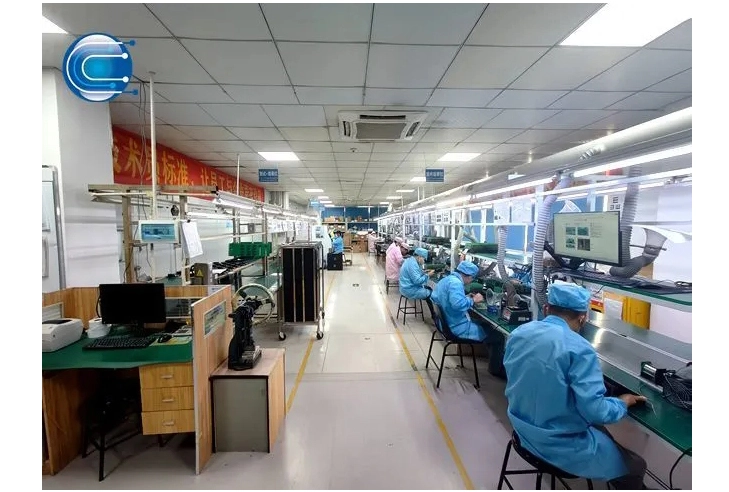
In-House Manufacturing: A 10,000㎡ self-owned factory in Shenzhen, China, supported by approximately 500 employees.
-
Integrated Production: PCB fabrication, component sourcing, SMT assembly, testing, and quality inspection under one roof.
-
Advanced Equipment: Investment in CNC drilling, lamination, LDI, SMT, AOI, and X-ray inspection equipment.
-
Flexible Production Capacity: Monthly capacity of 50,000㎡ of bare PCBs and support for up to 500 PCBA projects.
-
Quality Certifications: ISO 9001, ISO 14001, ISO 13485, IATF 16949, and UL-related certification.
Ring PCB also supports 3-day rapid PCB prototyping and 7-day mass production for applicable projects. The featured product lists a typical delivery time of 7–14 working days, subject to design complexity and order requirements.
Medical Device PCBA vs. Standard PCB Assembly
Medical electronics projects often require more specialized quality management and documentation than general electronic products.
| Comparison Factor | Standard PCB Assembly | Medical Device PCBA |
|---|---|---|
| Quality Management | General quality procedures | Medical-oriented quality management |
| Traceability | Depends on project requirements | Greater emphasis on batch records |
| Reliability | Application-dependent | Critical to intended medical use |
| Inspection | AOI and basic testing | AOI, X-ray, and application-specific testing |
| Compliance | General industry standards | Relevant medical quality standards |
| Design Considerations | General electronic functions | Signal accuracy and operational stability |
The actual requirements depend on the medical device classification, intended application, and applicable regulatory framework. ISO 13485 certification supports a medical-device quality management system but does not independently certify a finished medical device.
Frequently Asked Questions
1. Does Ring PCB provide custom medical PCB assembly?
Yes. Ring PCB supports customized PCB fabrication and PCBA according to your Gerber files, BOM, assembly drawings, material requirements, and production specifications.
2. Can Ring PCB provide full-turnkey medical PCBA services?
Yes. Its turnkey services cover PCB fabrication, component sourcing, SMT and through-hole assembly, inspection, and testing, helping you manage the manufacturing process through one supplier.
3. What certifications does Ring PCB hold for medical PCB manufacturing?
Ring PCB operates under ISO 13485, ISO 9001, ISO 14001, and IATF 16949 management system certifications and holds UL-related certification. You can request relevant certification documents to verify their scope and applicability to your project.
Conclusion
Selecting a reliable Medical Device PCBA manufacturer is essential when developing patient monitoring systems, diagnostic instruments, and other healthcare electronics. From 2 oz copper PCB fabrication and precision SMT assembly to multilayer PCB manufacturing and full-turnkey services, Ring PCB provides integrated manufacturing support for customized medical electronics projects. With 18 years of experience, a 10,000㎡ factory, and ISO 13485 quality management, Ring PCB can support your requirements from prototype development to production.
Contact Us
If you are looking for a reliable partner for Medical Device PCBA manufacturing, Ring PCB is ready to support your project with high-quality manufacturing and professional engineering services.
Email: rfq@ringpcb.com
We look forward to cooperating with you.