
Selecting a suitable multilayer PCB manufacturer directly decides your hardware project’s success. Many B‑end buyers judge suppliers only by layer‑count capability or unit price; however, real‑world failures often stem from overlooked process details, batch‑to‑batch consistency and technical support capability. Even if a factory claims it can produce 12‑layer or higher boards, stable mass‑production capacity differs greatly from one‑off prototype output. This guide shares practical evaluation dimensions for hardware R&D and procurement teams.
Distinguish Prototype Capability vs Mass‑Production Competence
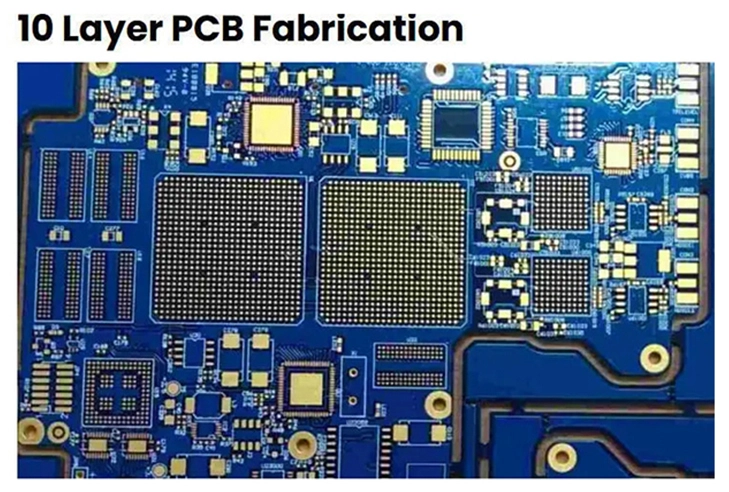
First of all, it is vital to separate prototype capacity from stable mass‑production performance. Many PCB houses can deliver a qualified multilayer prototype sample. Still, when orders scale to hundreds or thousands of pieces, problems including layer mis‑alignment, board warpage and delamination start to emerge in batches. The core reason lies in stable process window control for lamination, drilling and inner‑layer etching. For multilayer PCBs with 8 layers or more, tiny deviation in lamination pressure or temperature will accumulate and cause inter‑layer reliability risks in volume production.
In addition, documentation and traceability cannot be ignored. High‑reliability multilayer projects require complete records including stack‑up reports, impedance test coupons, material batch numbers and cross‑section test data. Some manufacturers skip these steps to cut cost, which creates big trouble for customers during product certification and failure analysis.
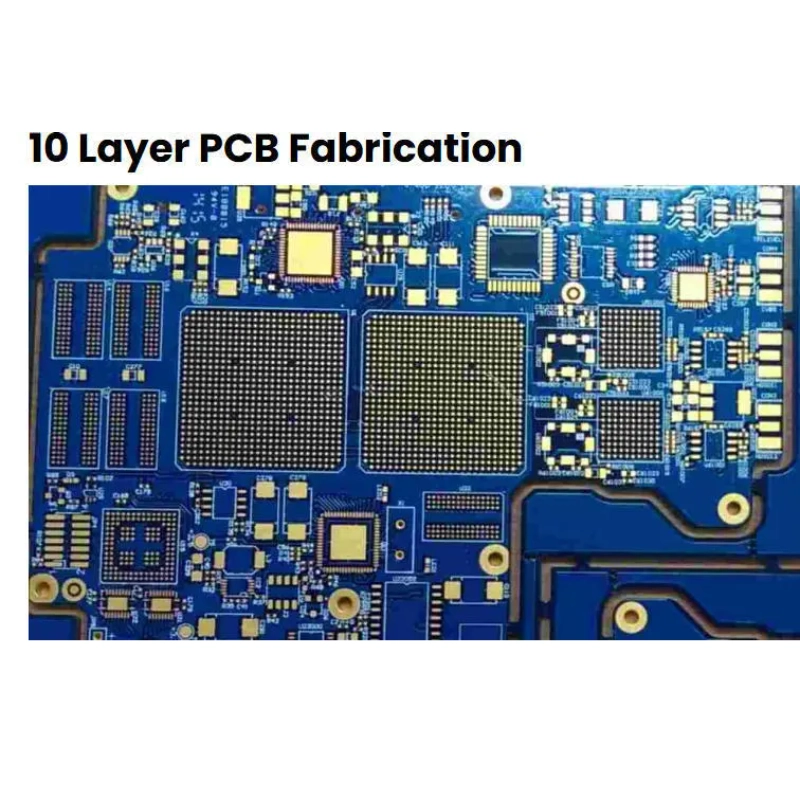
Four Practical Evaluation Dimensions for Multilayer PCB Suppliers
Next, we sort out four actionable evaluation standards for B‑side purchasers. First, check material supply stability. Ask whether the manufacturer has stable dual‑source supply for critical substrates, especially high‑Tg FR4 or low‑loss materials. Material substitution without notification is a common hidden risk in multilayer PCB procurement. Second, verify their quality‑control workflow. Confirm whether inner‑layer AOI, lamination sampling inspection and impedance testing are mandatory procedures, not optional extra services. Third, review relevant project references. Prior experience in your target application (medical, EV, industrial control or high‑speed communication) indicates the supplier understands your industry‑specific reliability requirements. Fourth, assess engineering support response. Good manufacturers provide active DFM feedback on your Gerber files rather than only pass‑through production. Early‑stage design optimization can greatly reduce later‑stage cost and yield loss.
Avoid Common Misconceptions in Multilayer PCB Sourcing
Meanwhile, we need to correct two widespread misunderstandings. On one hand, more layers do not automatically equal better performance. Experienced PCB engineering teams sometimes help customers optimize stack‑up, achieving equal performance with fewer layers and lowering overall cost. On the other hand, the lowest quotation frequently conceals risks: it may omit impedance testing, use downgraded materials or skip partial inspection steps.
As an experienced multilayer PCB manufacturer with 18‑year in‑house factory operations, Ring PCB serves global B‑end clients from prototype validation to volume ramp‑up. Our engineering department carries out detailed DFM analysis for every multilayer project, pointing out potential stack‑up, impedance and manufacturability risks before manufacturing. We provide full test reports for critical‑application boards, and keep full‑batch traceability for each production lot. Our product portfolio covers standard FR‑4 multilayer, high‑speed low‑loss multilayer and mixed‑layer HDI boards for medical devices, EV chargers and industrial control hardware.

Should you need technical consultation or project quotation for multilayer PCB, please send your Gerber and specification documents to rfq@ringpcb.com.