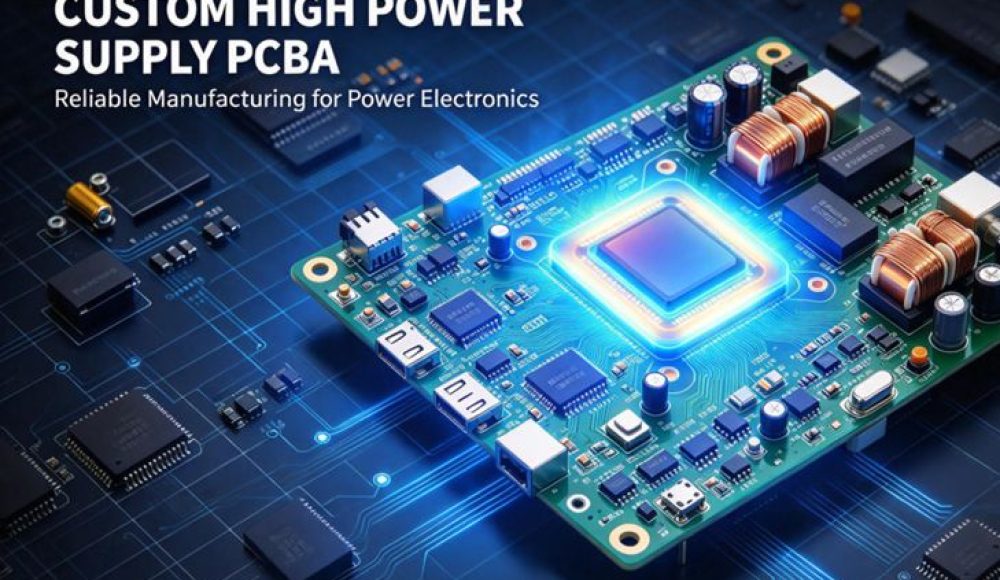
The market for custom high power supply PCBA keeps expanding, driven by energy storage systems, industrial power conversion, and high-density server power supplies. Many OEM engineers and procurement managers struggle to find a PCBA manufacturer capable of moving smoothly from prototype validation to volume mass production. While technical capability matters, stable component sourcing and predictable lead times are equally important for high-power projects.
The Gap Between Prototype and Mass Production of High Power Supply PCBA
A common pain point: prototypes work perfectly, yet mass production boards show performance drift. This gap exists because high power supply PCBA is sensitive to raw material consistency. Copper foil quality, substrate material, solder paste type and component tolerances all affect final performance. Many small assembly houses focus only on quick prototype turnaround, without standardized controls for mass production.
Besides material consistency, component sourcing is another bottleneck. Power semiconductors, high-current inductors and high-voltage capacitors still face fluctuating lead times. A capable PCBA manufacturer should maintain reliable component channels, offer BOM optimization suggestions, and flag long-lead parts early so customers can adjust schedules in advance.
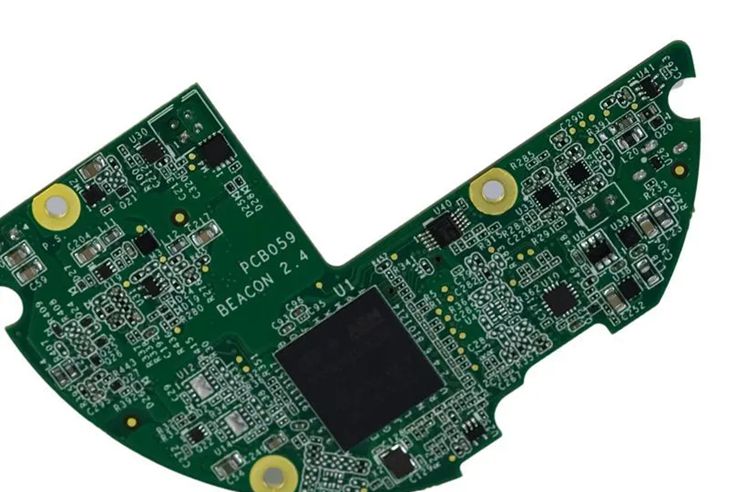
Key Capabilities Your PCBA Manufacturer Must Have
For custom high power supply PCBA, heavy copper PCB production is foundational. High-current tracks often require copper weight of 3oz, 4oz or higher to reduce resistance and heat buildup. The factory must control lamination warpage carefully, as board bending will hurt heat sink contact.
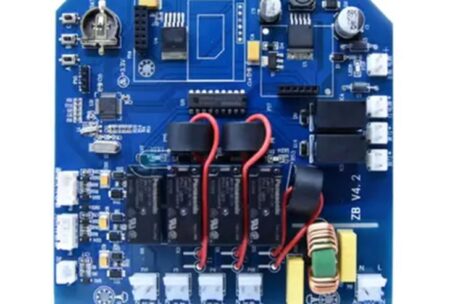
In assembly, mixed SMT and through-hole DIP soldering is typical for power boards. Large power terminals and magnetic parts need controlled soldering temperature to avoid thermal damage to adjacent SMT chips. Selective soldering technology helps minimize thermal impact compared with wave soldering for mixed assemblies.
Traceability is also essential. Every batch should record lot codes of components, reflow profiles, test data and operator logs. If a quality issue emerges later, manufacturers can quickly isolate the affected units instead of recalling the entire shipment.
Lead Time and Cost Planning for High Power PCBA
Compared with regular signal PCBA, high power supply PCBA usually has longer lead times. Extra time is consumed by material preparation, custom bare PCB fabrication and mandatory reliability testing. Experienced suppliers will separate prototype schedule and mass production timeline clearly.
When requesting quotations, prepare BOM, stack-up specs, voltage/current rating and required test items. Vague specifications often lead to incomplete quotes and unexpected extra charges later. Transparent communication at RFQ stage saves both sides much time.
Common Mistakes When Sourcing High Power Supply PCBA
Many buyers compare unit price alone and overlook test coverage. Some manufacturers skip X-ray or burn-in to cut cost. Others outsource bare PCB to third parties and lose process control. Also, confirm certification requirements before production: UL, ISO 9001 and other relevant certificates are required for power products entering target markets.
Another mistake is ignoring design for manufacturability feedback. Even though we do not offer PCB design service, our manufacturing team can flag assembly-related issues before production starts, which helps reduce rework risk.
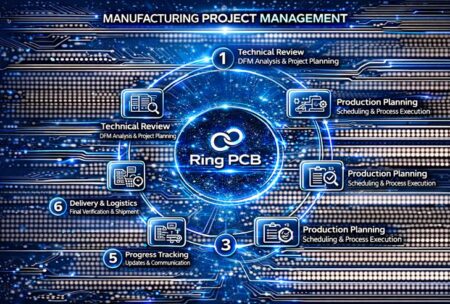
Ring PCB operates its own factory for high power supply PCBA manufacturing. We integrate bare PCB making, component procurement, SMT & DIP assembly and reliability testing under one roof. Our team has rich experience supporting custom power PCBA from small prototype runs to large-volume orders. We keep full batch traceability and deliver complete test documentation to support your product certification.
If you are looking for a dependable PCBA manufacturer for your custom high power supply PCBA project, send your BOM and requirements to rfq@ringpcb.com for a detailed quotation.