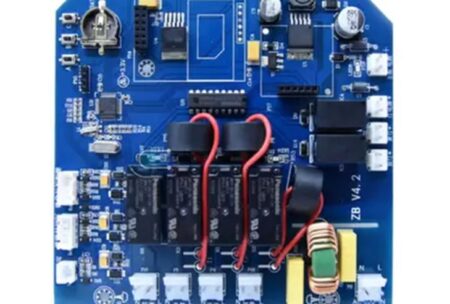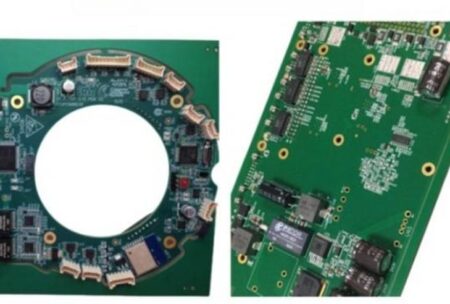

Choosing a PCBA manufacturer is a strategic decision for OEMs developing industrial electronics. The supplier’s capabilities influence not only assembly quality, but also component availability, production schedules, cost control and the ability to support repeat orders.
For industrial products, these considerations are particularly important. Control boards, power electronics and communication modules may remain in production for years. A supplier that performs well on a single prototype order may not necessarily be suitable for long-term manufacturing.

Therefore, buyers should evaluate a PCBA manufacturer through a combination of technical capability, process control, sourcing management, production resources and communication.
1. Start with Your Actual Manufacturing Requirements
Before comparing suppliers, define what your project requires. A PCBA quotation is only meaningful when suppliers are evaluating the same manufacturing scope.
Prepare the key project information, including:
- Gerber files and PCB specifications
- Bill of Materials (BOM) with manufacturer part numbers
- Assembly drawings and component polarity information
- PCB layer count, dimensions and material requirements
- SMT, through-hole or mixed-technology assembly requirements
- Order quantity and expected repeat-order frequency
- Inspection, testing and packaging requirements
These documents allow a manufacturer to understand the board construction and assembly scope. If some information is incomplete, the supplier should identify the questions that need clarification before production planning.
For buyers, this first stage is also a useful way to assess communication quality. A supplier that asks relevant questions about specifications, materials and assembly requirements is more likely to understand the practical details of the project.
2. Evaluate PCB and PCBA Manufacturing Capability
A PCBA manufacturer should have capabilities that match the technical requirements of your product. Do not rely only on broad descriptions such as “advanced equipment” or “one-stop service.” Ask whether the supplier can handle your actual PCB structure and component types.
For PCB fabrication, relevant factors may include:
Layer count and construction: Confirm that the manufacturer can produce the required number of layers, board thickness and stackup.
Material options: Check whether the supplier can work with the specified FR-4 grade or other required laminate materials.
Copper and hole specifications: Review copper weight, minimum hole size, via structure and plating requirements.
Surface finish: Confirm compatibility with component requirements, assembly processes and product use.
For PCBA assembly, consider:
SMT capability: Component package sizes, fine-pitch placement, BGA or QFN requirements and placement accuracy.
Through-hole assembly: The supplier’s ability to process connectors, terminals and other through-hole components.
Mixed-technology assembly: Whether SMT and through-hole components can be assembled according to the required sequence and process.
Production flexibility: Whether the supplier can support prototypes, pilot builds, low-volume orders and larger production quantities.
The purpose is not to select the supplier with the longest capability list. It is to find a manufacturer whose actual processes fit your product.
3. Examine Quality Management Beyond Final Inspection
Quality should be controlled throughout manufacturing rather than relying entirely on inspection at the end.
When evaluating a PCBA manufacturer, ask how it manages incoming materials, solder paste printing, component placement, soldering, inspection and nonconforming products.
Common inspection methods include:
- Solder Paste Inspection (SPI): Checks solder paste deposits before component placement.
- Automated Optical Inspection (AOI): Identifies visible component placement and soldering defects.
- X-ray inspection: Helps examine hidden solder joints in certain packages, such as BGA and some QFN assemblies.
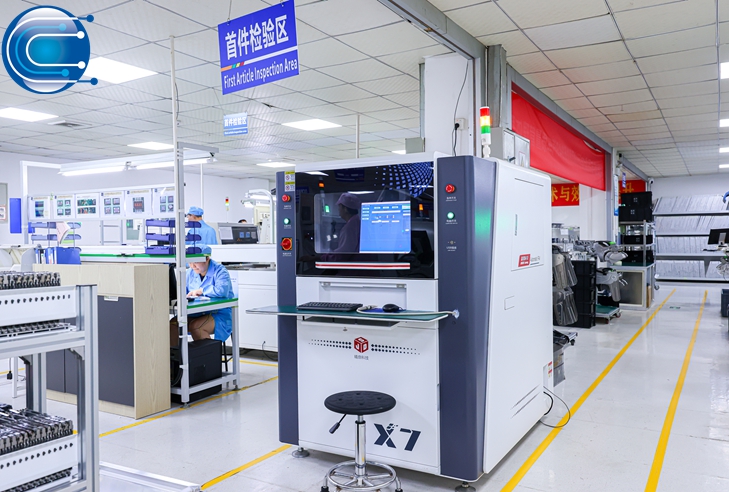
- First Article Inspection (FAI): Verifies the initial production output against agreed requirements.
- Electrical or functional testing: Used where specified and supported by the project.
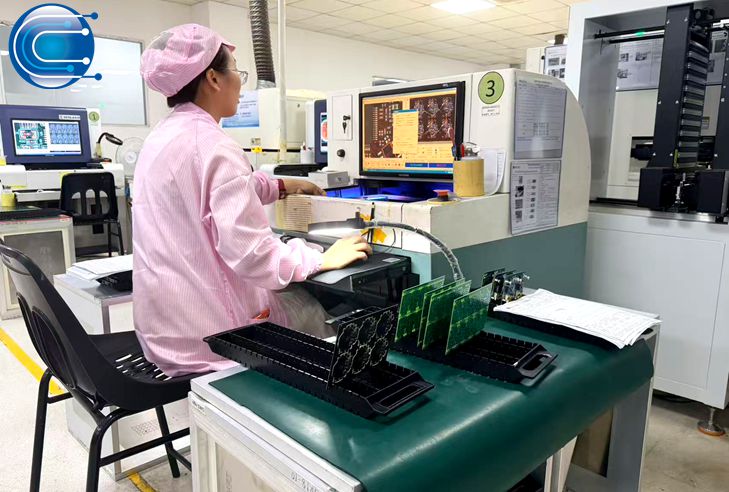
Not every board requires every inspection method. The inspection plan should reflect the board structure, component packages, product risk and customer requirements.
It is also important to clarify the applicable acceptance criteria. IPC-A-610 is a widely used reference for electronic assembly acceptability, but the applicable class and any additional project-specific requirements should be agreed upon.
4. Review Component Sourcing and BOM Management
Component procurement can have a significant effect on the total project schedule. A PCBA manufacturer that supports component sourcing may help coordinate purchasing with PCB fabrication and assembly planning.
However, buyers should understand how the supplier manages sourcing quality and material changes.
Ask how it verifies manufacturer part numbers, checks component specifications and communicates shortages. Confirm whether proposed alternatives require customer approval before use.
This issue has become increasingly relevant as electronics demand changes. Avnet’s June 2026 discussion of component obsolescence and second-source risk highlights how demand from AI infrastructure can affect component lifecycle planning, particularly for industrial products that may need support over a much longer period.
For industrial OEMs, a useful BOM review should identify:
- Single-source and long-lead-time components
- Parts approaching end-of-life or not recommended for new designs
- Components with limited availability
- Approved alternative part numbers
- Parts requiring specific storage or handling conditions
A lower-priced alternative is not automatically a suitable replacement. Electrical ratings, package dimensions, temperature range and assembly compatibility should all be reviewed before a change is accepted.
5. Compare Lead Time and Total Project Cost
When reviewing quotations, buyers often focus on the unit price. However, the actual cost of a PCBA project includes more than the assembly charge.
Consider the combined cost of PCB fabrication, components, assembly, inspection, testing, packaging, shipping and any special manufacturing requirements.
Make sure that all quotations use the same:
- PCB material and construction
- BOM revision and sourcing assumptions
- Assembly scope and order quantity
- Inspection and testing requirements
- Delivery terms and schedule assumptions
Lead time should also be evaluated as a sequence of activities. PCB fabrication, component procurement, assembly, inspection and logistics may each contribute to the final delivery date.
A supplier should be able to explain the assumptions behind its quoted schedule. If critical components have extended lead times, this should be discussed before the order is confirmed rather than after production has been delayed.
6. Assess Factory Resources and Production Flexibility
A manufacturer’s facility and equipment provide useful information about its production resources, but factory size alone does not establish manufacturing quality.
Buyers should look at the relationship between equipment, process capability, quality inspection and the expected order volume.
Questions worth asking include:
- Does the factory have the PCB fabrication and assembly processes required?
- Can it support the expected production quantity?
- What inspection equipment is available?
- How are first articles and production revisions managed?
- Can the supplier support repeat orders with consistent specifications?
Production flexibility is also important. Some OEMs need a small prototype run before moving into volume production. Others manage multiple product versions or fluctuating demand. A suitable PCBA manufacturer should be able to explain which production stages it can support and what conditions apply.
7. Look for Clear Communication and Change Management
Manufacturing projects often involve revisions to Gerber files, BOMs, component availability or delivery requirements. Without a clear communication process, even a capable factory can encounter avoidable delays.
Before production, confirm the latest document revisions and agree on how changes will be reviewed and approved. Any proposed component substitution, material change or process adjustment should be communicated before implementation.
For long-term projects, buyers should also discuss how repeat-order specifications will be maintained. Revision control and consistent material information help reduce differences between production batches.
A PCBA Manufacturing Partner for Your Project
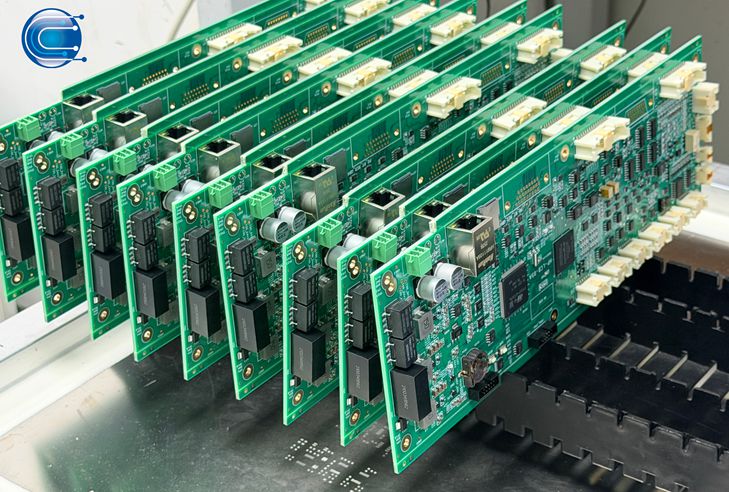
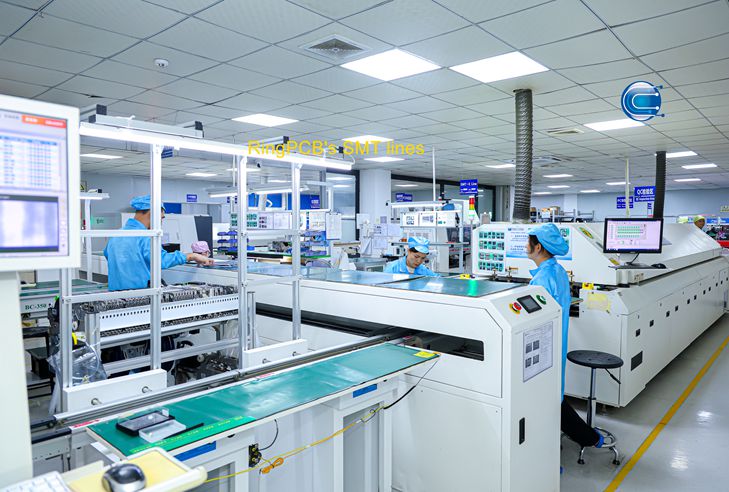
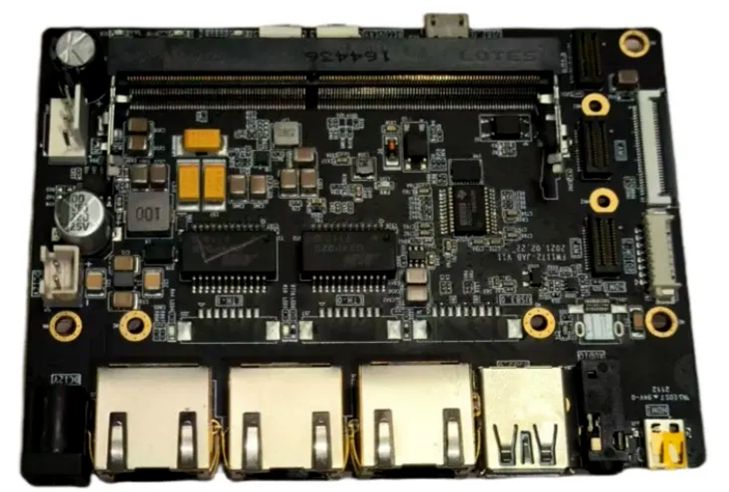
Ring PCB provides PCB fabrication and PCBA manufacturing services, including component sourcing, SMT assembly, through-hole assembly and production quality inspection.
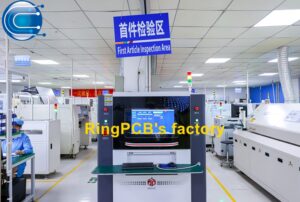
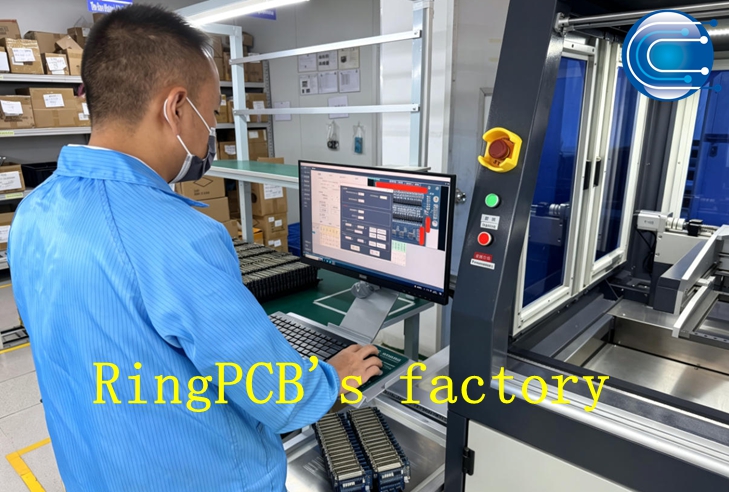
The company operates a 10,000-square-meter company-owned factory and has advanced first article inspection equipment to support production verification. Its PCB manufacturing capability extends to multilayer boards with up to 62 layers.
For suitable projects, PCB prototypes may be available in as little as 72 hours. Qualifying production schedules depend on technical complexity, material availability, order quantity and confirmed project requirements.
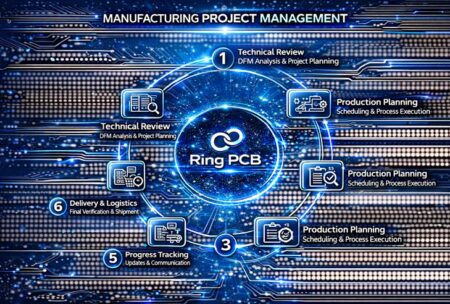
When evaluating a project, Ring PCB works from the customer’s supplied Gerber files, BOM data and technical specifications to discuss manufacturing requirements and production arrangements.
If you are looking for a PCBA manufacturer for industrial electronics or other electronic products, contact Ring PCB at rfq@ringpcb.com.
SEO Title: How to Choose a PCBA Manufacturer for OEM Projects
SEO Meta Description:
Core Keywords:
References and Further Reading:
- Deloitte — 2026 Manufacturing Industry Outlook
- Avnet — Managing Component Obsolescence and Second-Source Risk in an AI Era, June 2026
- IPC — IPC-A-610, Acceptability of Electronic Assemblies