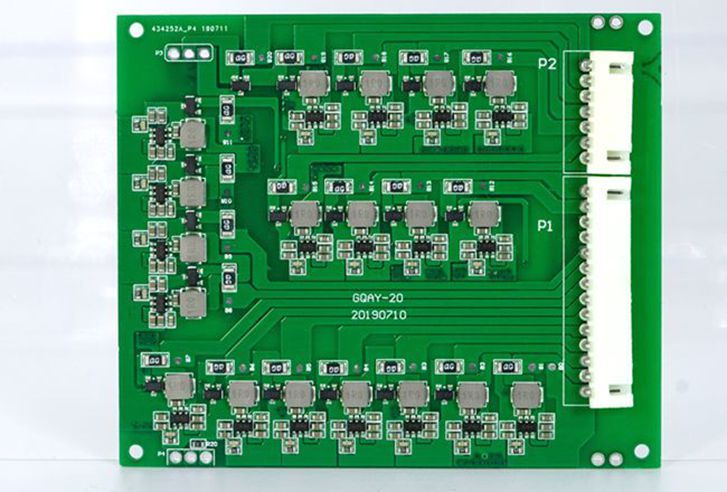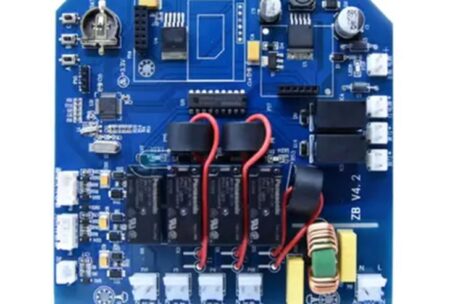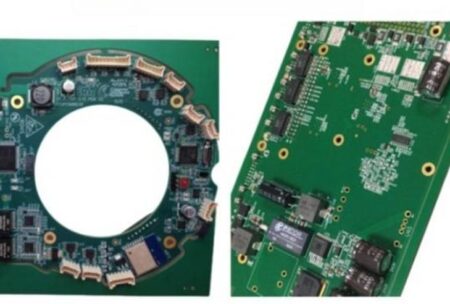
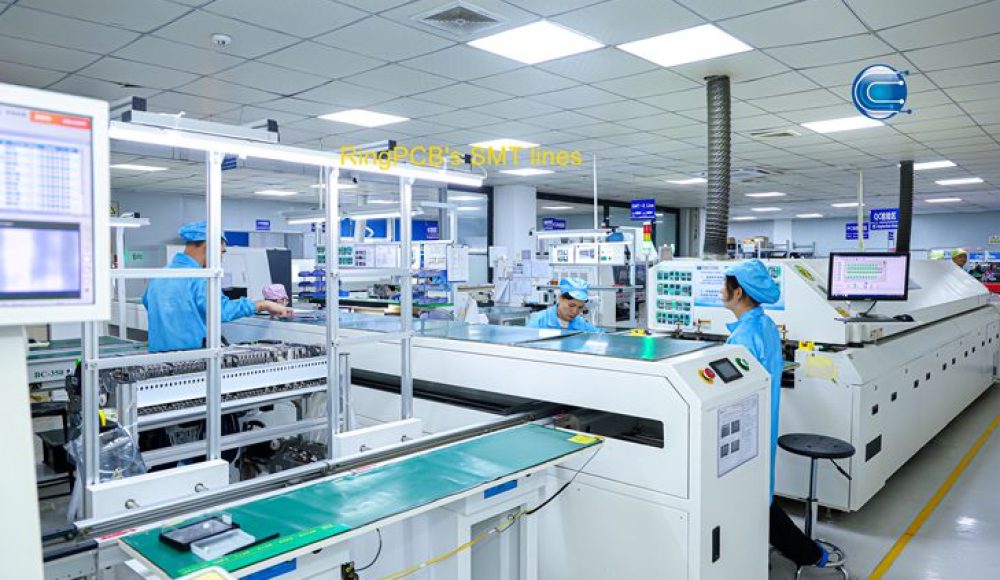
Choosing a PCBA Manufacturer for communication equipment requires more than comparing quotations and production lead times. Network devices, wireless communication modules, industrial gateways, and telecommunications infrastructure products often combine high-speed digital circuits, RF components, dense packaging, and demanding reliability requirements.
For OEMs, the wrong manufacturing decision can create signal-integrity problems, inconsistent assembly quality, delayed product launches, and expensive troubleshooting.
Meanwhile, communication infrastructure continues to evolve. The International Telecommunication Union (ITU) estimates that approximately six billion people, or 74% of the world’s population, used the internet in 2025.
This expanding connectivity environment reinforces the importance of dependable networking equipment and the manufacturing processes behind it.
Therefore, selecting a communication PCBA supplier should involve a structured evaluation of technical capability, quality management, engineering support, sourcing, and production scalability.
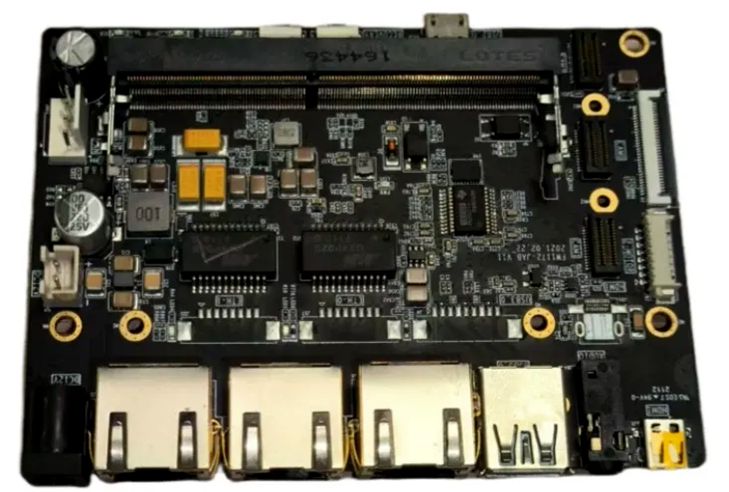
Match Manufacturing Capability to Your Product
Communication electronics cover a wide range of applications.
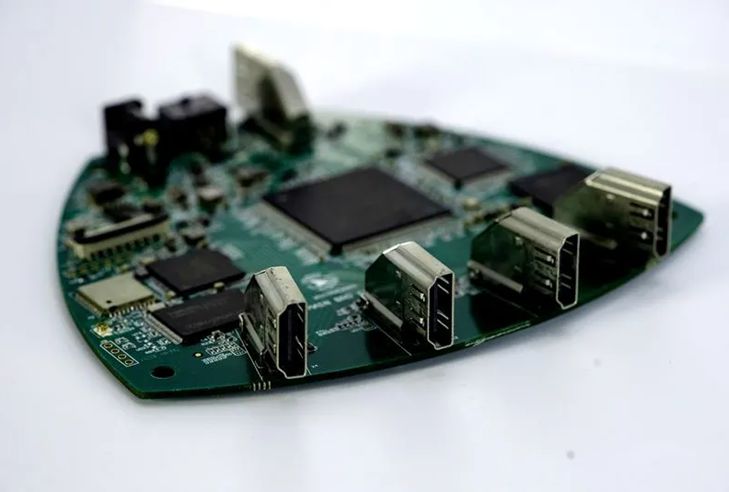
An industrial Ethernet gateway may use multilayer FR-4 PCB, fine-pitch processors, and multiple communication interfaces.
A wireless module may require RF-sensitive layouts, shielding, and controlled-impedance transmission lines.
A high-speed networking board may contain dense BGAs, high-layer-count PCBs, and demanding power-distribution requirements.
Consequently, the first supplier qualification step is to define the product’s actual technical requirements.
Provide PCB fabrication data, stackup specifications, component information, assembly drawings, expected quantities, and testing requirements.
A qualified manufacturer should review these documents before confirming manufacturability.
Verify PCB Fabrication Expertise
PCB fabrication quality directly influences communication performance.
During supplier evaluation, ask about supported layer counts, PCB materials, controlled impedance, drilling accuracy, copper plating, surface finishes, and high-density interconnect capabilities.
For RF and high-speed designs, discuss dielectric material properties and manufacturing tolerances.
Also ask whether the supplier can provide impedance testing, electrical testing, and relevant inspection records.
A manufacturer should be able to explain how critical dimensions and material requirements are controlled.
If a project requires specialized laminates or complex via structures, confirm those capabilities explicitly rather than assuming they are included in standard PCB manufacturing services.
Evaluate Fine-Pitch SMT Assembly
Communication equipment frequently uses BGAs, QFNs, high-density connectors, and small passive components.
These packages require accurate solder paste printing, placement control, and suitable reflow processes.
Ask potential PCBA manufacturers how they manage stencil design, solder paste inspection, moisture-sensitive devices, and reflow profiling.
Inspection capability is also important.
AOI can identify visible placement and soldering defects, while X-ray inspection can provide information about hidden solder joints.
However, equipment ownership is only part of the evaluation.
Manufacturers should demonstrate documented processes, trained personnel, defect handling, and corrective-action procedures.
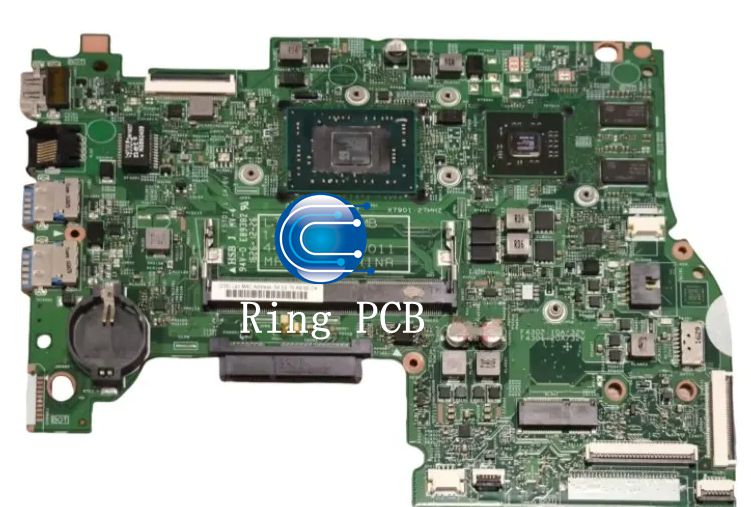
Assess Engineering and DFM Support
A strong PCBA Manufacturer should provide engineering feedback before production begins.
For communication PCBAs, DFM review may address PCB stackup, panelization, solder mask design, component spacing, via structures, and material selection.
DFA review should consider component orientation, assembly access, thermal management, and soldering risks.
DFT review can help determine whether critical interfaces and functions can be tested efficiently.
These activities become especially valuable when high-speed signals and dense component placement limit layout flexibility.
Rather than waiting for manufacturing problems to appear, OEMs should involve the manufacturing partner during the NPI stage.
Review Quality Standards and Traceability
Quality requirements should be defined before placing an order.
IPC-A-610J provides widely recognized criteria for electronic assembly acceptability, while IPC J-STD-001J addresses soldering processes and materials.
The appropriate acceptance class and any customer-specific requirements should be documented.
In addition, ask how the supplier controls PCB revisions, component batches, assembly records, and test results.
Traceability can help identify the origin of defects and support corrective actions.
For communication infrastructure equipment with long service lives, consistent documentation is particularly important.
Confirm Testing Capabilities Early
Testing requirements vary significantly across communication products.
A simple network interface board may require power verification, interface checks, and functional communication testing.
A high-speed Ethernet product may require additional signal-integrity or performance verification.
RF equipment may need specialized measurements involving frequency accuracy, transmission performance, receiver sensitivity, or other radio parameters.
Therefore, OEMs should provide a defined test specification during supplier evaluation.
Ask which tests the manufacturer can perform internally, which require customer-supplied fixtures, and which may need external laboratory support.
A clear testing plan prevents misunderstandings after assembly is complete.
Evaluate Component Sourcing and Lifecycle Management
Communication equipment manufacturers often face challenges involving component availability, product revisions, and long-term maintenance.
A processor, RF transceiver, Ethernet PHY, or power management IC may become difficult to source during a product’s lifecycle.
Therefore, BOM verification should be part of the supplier qualification process.
Ask how the manufacturer checks manufacturer part numbers, monitors lifecycle status, manages authorized sourcing channels, and handles proposed alternatives.
Unauthorized component substitutions can affect electrical performance, firmware compatibility, and regulatory requirements.
For this reason, engineering approval should be required before changing critical components.
Compare Total Manufacturing Cost
The lowest PCBA quotation is not always the most economical option.
Total manufacturing cost includes PCB fabrication, components, assembly, tooling, inspection, testing, packaging, logistics, and supplier coordination.
Additional costs may arise from rework, production delays, excess inventory, or engineering changes.
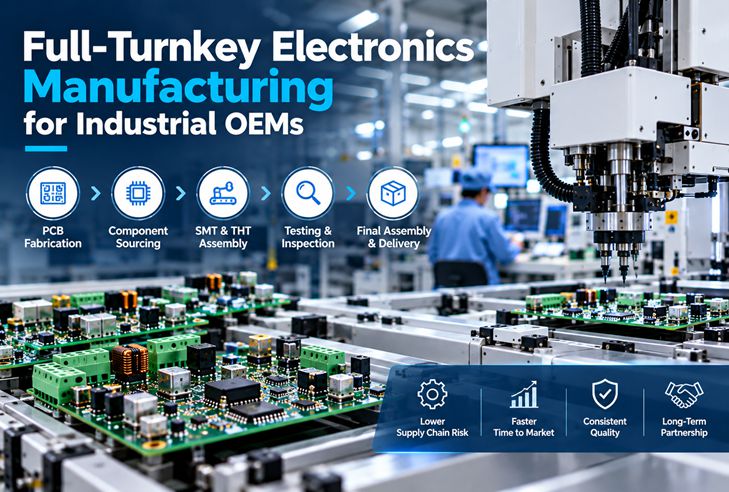
A full-turnkey assembly service can simplify cost evaluation by combining major production activities into a coordinated quotation.
However, buyers should confirm which services are included and whether specialized testing, fixtures, programming, or other processes carry additional charges.
Transparent quotation structures make supplier comparisons more meaningful.
Examine Production Scalability and Communication
A supplier that performs well on prototypes may not automatically be prepared for volume manufacturing.
Ask how the manufacturer manages pilot production, process validation, component planning, production scheduling, and engineering change control.
For high-mix communication products, flexible production capability can be especially valuable.
Communication between the OEM and manufacturing team is equally important.
Clear technical responses, documented revisions, and regular project updates help prevent avoidable mistakes.
Ultimately, the right supplier should demonstrate both manufacturing capability and reliable project coordination.
Working With Ring PCB
Selecting a communication PCBA Manufacturer requires evaluating technical competence, process control, testing, sourcing, and production flexibility together.
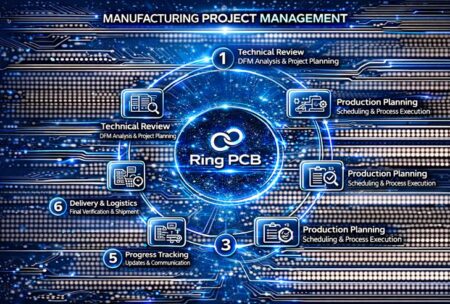
Ring PCB supports communication electronics through PCB fabrication, high-frequency and multilayer PCB manufacturing, component sourcing, SMT and THT assembly, engineering review, inspection, testing, and full-turnkey assembly services.
Its integrated manufacturing workflow helps customers coordinate prototype development, small-batch production, and larger manufacturing requirements.
If you are evaluating a supplier for communication modules, networking equipment, or telecommunications PCBAs, submit your manufacturing files and technical requirements for review.
Contact rfq@ringpcb.com with your Gerber files, BOM, assembly drawings, quantities, and testing specifications.
References
- International Telecommunication Union (ITU). ICT Statistics and Global Internet Usage Estimates. 2025.
https://www.itu.int/en/ITU-D/Statistics/Pages/stat/default.aspx/ - IPC. IPC Releases “J” Revisions to Two Leading Standards for Electronics Assembly. April 8, 2024.
https://www.ipc.org/news-release/ipc-releases-j-revisions-two-leading-standards-electronics-assembly - Ring PCB. PCB and PCBA Manufacturing Services.
https://www.ringpcb.com/
Core Keywords:
SEO Title:
SEO Meta Description: