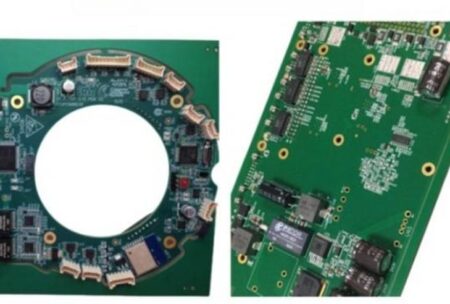

Choosing the right PCBA manufacturer is an important decision for industrial electronics companies. A supplier’s manufacturing capability can affect product quality, production lead time, component availability and the long-term stability of the supply chain.
For industrial OEMs, the lowest quotation is not always the most economical option. A board that requires repeated rework, experiences inconsistent quality or encounters component shortages can create costs far beyond the original assembly price.
A more effective supplier evaluation considers technical compatibility, process control, sourcing capability, production resources and communication. The following factors can help buyers assess whether a PCBA manufacturer is suitable for their project.
1. Check Manufacturing Capability Against Your Requirements
Start by confirming that the supplier can manufacture the actual PCB and PCBA specified for your product. General claims about advanced equipment are less useful than evidence that the manufacturer can handle your board’s construction and assembly requirements.
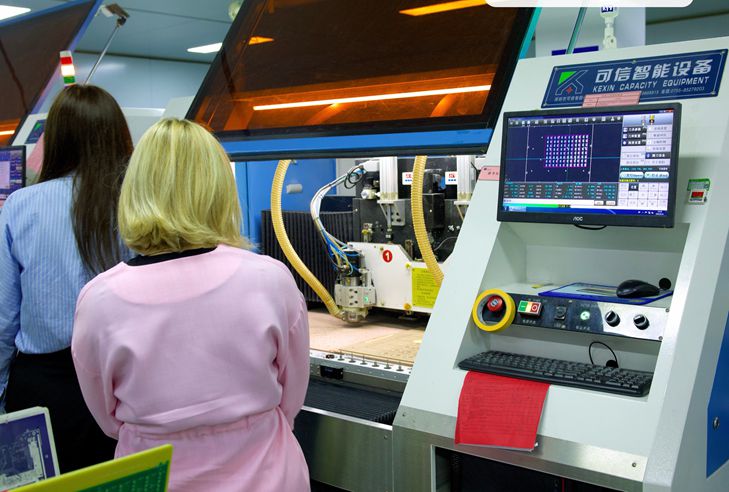
Review the following details:
- PCB structure: Layer count, board thickness, copper weight, material and finished dimensions.
- Manufacturing details: Minimum trace and spacing, hole sizes, via structures and surface finish.
- Assembly requirements: SMT and through-hole components, package types, component spacing and mixed-technology assembly.
- Production volume: Prototype quantities, low-volume builds and repeat production requirements.
- Special requirements: Controlled impedance, fine-pitch components, heavy copper or other project-specific specifications.
A supplier should be able to review the supplied manufacturing files and identify questions or potential production constraints. This is particularly important for complex multilayer boards and assemblies with dense component layouts.
2. Evaluate Quality Control and Inspection Processes
A PCBA manufacturer’s quality system should cover more than final visual inspection. Quality needs to be considered throughout the manufacturing process, from incoming materials to assembly and final verification.
When reviewing a supplier, ask how it manages:
Incoming material inspection: Components and PCB materials should be checked against the relevant purchasing and project requirements. Part-number accuracy and material condition are important for preventing avoidable production issues.
Solder paste printing and placement: Printing quality and component placement accuracy influence solder joint formation and assembly consistency.
Reflow and soldering control: Temperature profiles and soldering processes should be appropriate for the components, PCB construction and assembly requirements.
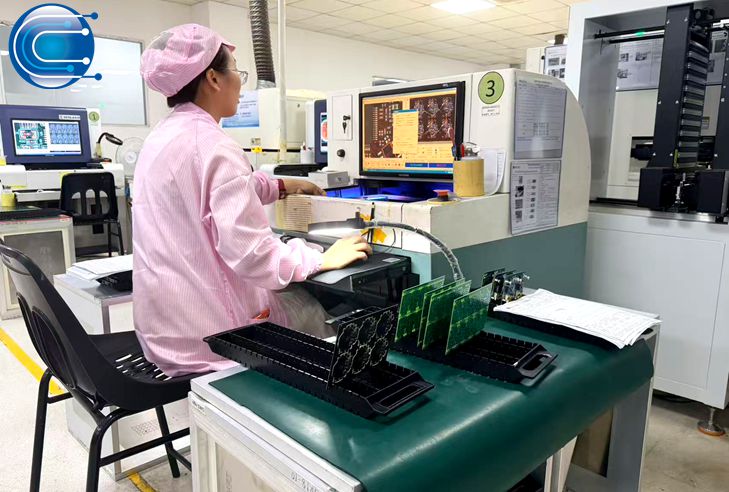
AOI and X-ray inspection: Automated Optical Inspection can identify visible placement and soldering issues. X-ray inspection may be useful for examining hidden solder joints on certain component packages.
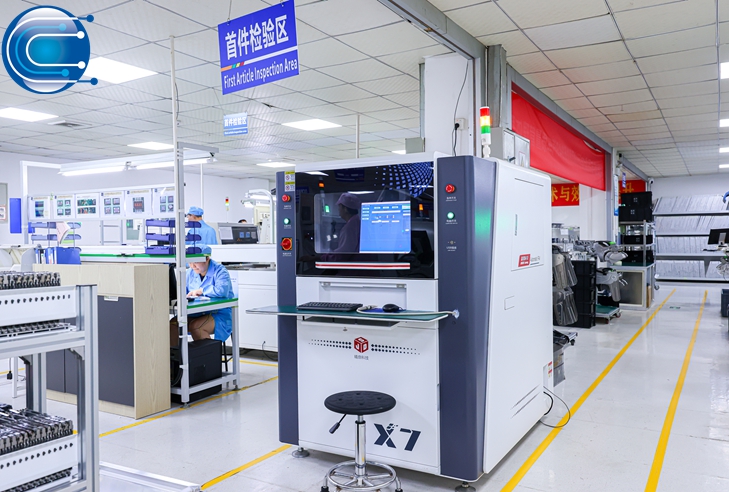
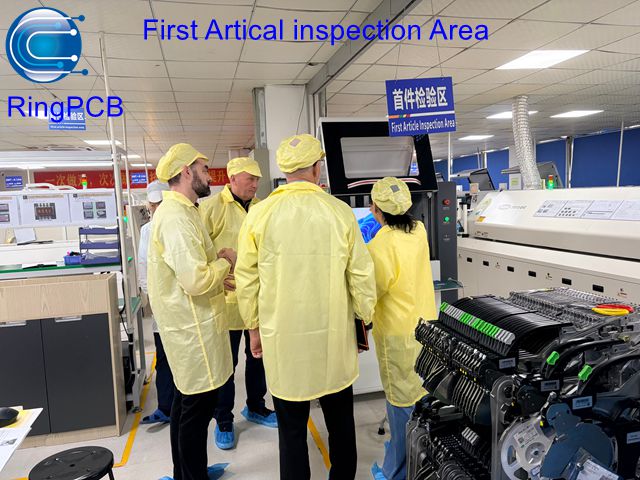
First Article Inspection: FAI helps verify the initial production output against the agreed documentation and requirements. It is especially valuable when introducing a new product or moving into a new production stage.
IPC-A-610 provides widely used acceptance criteria for electronic assemblies. Buyers should clarify the applicable acceptance class and any additional project-specific inspection requirements rather than assuming that a standard reference covers every product requirement.
3. Understand Component Sourcing and BOM Management
Component sourcing is a major consideration for industrial electronics, where products may remain in production for many years. A PCBA manufacturer that supports component procurement can help coordinate material purchasing and assembly planning, but buyers should understand how sourcing decisions are managed.
Discuss these points before placing an order:
- Are the proposed components consistent with the supplied BOM?
- How are manufacturer part numbers and approved brands verified?
- How does the supplier communicate shortages or extended lead times?
- Are alternative components proposed for customer approval before use?
- How are changes to component specifications or sources documented?
Avoid assuming that a part with a similar description is automatically interchangeable. Package dimensions, electrical ratings, temperature range and lifecycle status can all affect suitability.
For long-lifecycle products, it is also useful to identify critical components early. This allows the OEM and manufacturer to discuss procurement timing, potential alternatives and production planning before a shortage becomes urgent.
4. Assess Factory Resources and Production Capacity
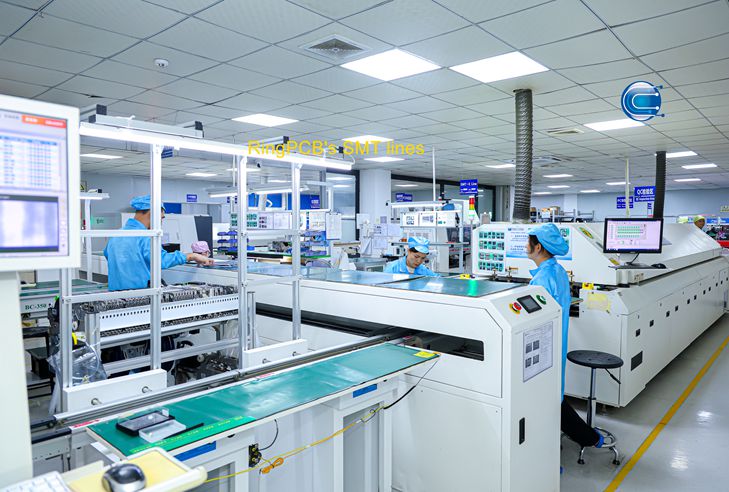
A supplier’s actual production environment matters. Buyers should evaluate whether the factory has the equipment, personnel and process organization needed for the required PCB and PCBA work.
Useful questions include:
- Does the supplier have the PCB fabrication and assembly capabilities required by the project?
- Can it support the expected board complexity and production quantity?
- What inspection equipment is available?
- How is first article verification handled?
- Can the supplier support repeat orders with consistent documentation and process requirements?
Factory size alone does not guarantee quality or delivery performance. It should be considered alongside relevant manufacturing capability, inspection resources, production planning and the supplier’s ability to communicate realistic schedules.
5. Compare Lead Time and Total Cost, Not Just Unit Price
A quotation should be evaluated in the context of the complete project. A low assembly price may not include all required inspection, special processes, packaging or material-related costs.
When comparing quotations, check whether they use the same:
- PCB specifications and material requirements
- BOM revision and component sourcing assumptions
- Assembly scope and production quantity
- Inspection and testing requirements
- Packaging and delivery terms
- Lead-time assumptions
Lead time should also be broken down into its main contributors. PCB fabrication, component procurement, assembly, inspection and logistics may each affect the delivery schedule. A supplier should explain the assumptions behind its quoted lead time, especially when components have long procurement cycles.
For industrial OEMs, a predictable schedule is often more valuable than an aggressive estimate that does not account for material availability or technical complexity.
6. Review Communication and Engineering Coordination
Clear communication is essential when manufacturing files contain missing information, conflicting revisions or special requirements. Before production, the supplier and customer should establish a shared understanding of the Gerber data, BOM, assembly drawings, specifications and inspection criteria.
A capable manufacturing partner should raise questions when information is incomplete or when a requirement needs clarification. It should also communicate material risks, production constraints and proposed changes before proceeding.
This does not mean the manufacturer must provide the customer’s circuit design service. Rather, the focus is on manufacturing-related review and coordination based on the customer’s supplied files and specifications.
7. Look for a Supplier That Can Support Repeat Production
Industrial electronics often require stable supply over an extended period. When choosing a PCBA manufacturer, consider how the supplier manages repeat orders, documentation revisions, component changes and production communication.
A supplier that understands the importance of revision control and material consistency can help reduce the risk of differences between production batches. Buyers should also discuss how engineering or purchasing changes will be reviewed and approved.
Choosing Ring PCB as Your PCBA Manufacturing Partner
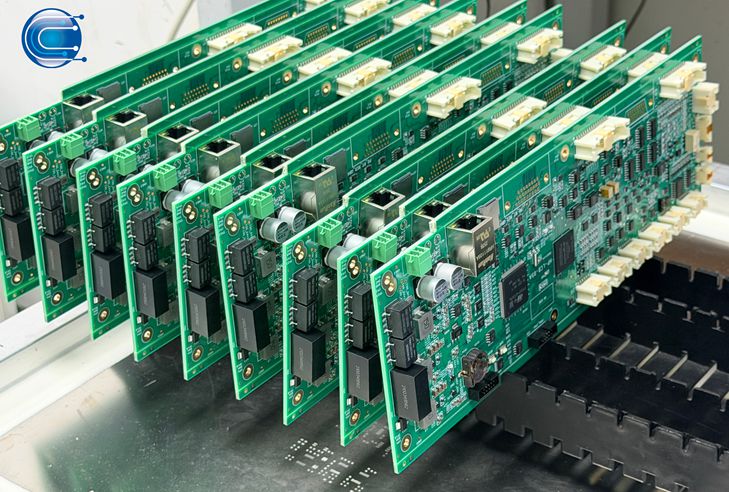
Ring PCB provides PCB fabrication and PCBA manufacturing services, including component sourcing, SMT assembly, through-hole assembly and production quality inspection. The company operates a 10,000-square-meter company-owned factory and uses advanced first article inspection equipment to support production verification.
Ring PCB can manufacture multilayer PCBs of up to 62 layers. Depending on project complexity and material availability, PCB prototypes may be available in as little as 3 days, and qualifying PCB/PCBA production schedules may be as short as 7 days.
For an accurate project evaluation, customers can share Gerber files, BOM data, assembly information and specific technical requirements. This provides a basis for discussing manufacturing feasibility, scope and schedule before an order is confirmed.
If you are evaluating a PCBA manufacturer for your next industrial electronics project, contact Ring PCB at rfq@ringpcb.com.
References:
- IPC — IPC-A-610, Acceptability of Electronic Assemblies
- Deloitte — 2026 Manufacturing Industry Outlook
- Global Electronics Association — Global EMS Industry Report 2025