Choosing the right PCB Manufacturer is essential when your automotive electronics must withstand temperature changes, vibration, electrical interference, and long operating cycles. A poorly controlled PCB assembly process can lead to signal instability, unexpected failures, and costly production delays. For automotive suppliers and electronics developers, selecting a manufacturing partner with suitable engineering capabilities and quality management systems helps reduce these risks.
Ring PCB, founded in 2008 in Shenzhen, China, provides PCB fabrication, component sourcing, and full-turnkey PCB assembly services. With an approximately 10,000-square-meter manufacturing facility and a team of 500 employees, Ring PCB supports projects from rapid prototyping to mass production. Its automotive PCBA services address the manufacturing requirements of vehicle control systems, electric vehicle electronics, and other automotive applications.
What Should You Expect from an Automotive PCB Manufacturer?
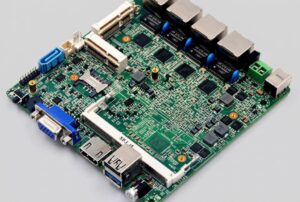
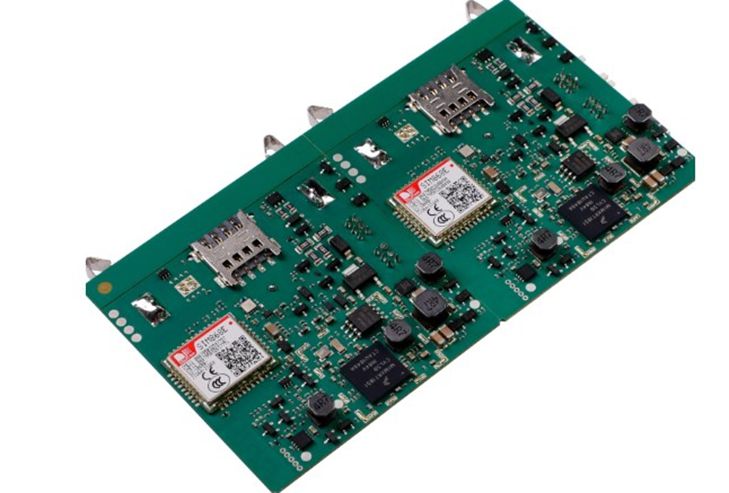
Automotive printed circuit board assemblies integrate electronic components onto PCBs to support vehicle functions. Unlike many consumer electronics applications, automotive systems may operate under fluctuating temperatures, persistent vibration, humidity, and electromagnetic interference.
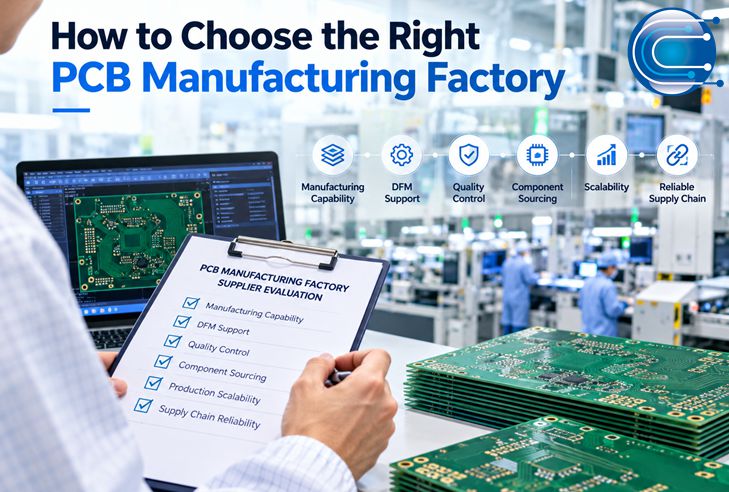
When evaluating an automotive PCB manufacturer, consider these essential capabilities:
- Quality management: IATF 16949, ISO 9001, and applicable industry requirements should align with your project and supply chain.
- Material selection: Standard FR4, High-Tg FR4, Rogers materials, and other suitable substrates support different electrical and thermal requirements.
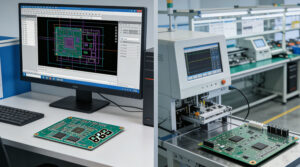
- Assembly precision: SMT and through-hole assembly capabilities help accommodate different component types and board designs.
- Inspection and testing: Automated optical inspection (AOI), X-ray inspection, and electrical testing help identify assembly defects.
- Production scalability: A capable supplier should support prototype validation and a controlled transition to volume production.
Ring PCB lists ISO 9001, ISO 14001, ISO 13485, IATF 16949, and UL among its certifications and quality credentials. Buyers should confirm the applicable certification scope and validity when evaluating a specific project.
Automotive PCBA Manufacturing Capabilities
Automotive electronics often require compact layouts, dependable electrical connections, and consistent production quality. Ring PCB supports custom automotive PCBA projects with configurable board structures, material options, and surface finishes.
Typical technical parameters listed for its automotive PCB assembly include:
| Parameter | Reference Specification |
|---|---|
| PCB layers | 2–16 layers for the specified automotive PCBA offering |
| Materials | FR4, High-Tg FR4, Rogers, Polyimide, and Aluminum |
| Copper thickness | 1–6 oz |
| Surface finishes | HASL, ENIG, OSP, immersion silver, and immersion tin |
| Minimum trace/space | 3/3 mil |
| Minimum hole size | 0.2 mm |
| Inspection methods | 100% electrical testing, AOI, and X-ray inspection |
| Prototype lead time | As fast as 3 days, depending on project requirements |
These specifications are reference values rather than guaranteed capabilities for every design. Confirm stack-up, material availability, component sourcing, testing requirements, and delivery schedules with the engineering team before placing an order.
Automotive PCBA vs. Standard PCBA
| Comparison Factor | Standard PCBA | Automotive PCBA |
|---|---|---|
| Typical applications | Consumer and general industrial electronics | ECUs, BMS, ADAS, and vehicle controls |
| Operating conditions | Often relatively controlled | May involve temperature extremes and vibration |
| Quality requirements | Depend on product and industry | May require automotive-specific quality controls |
| Component selection | Depends on application | Automotive-qualified components may be necessary |
| Traceability | Varies by project | Often requires stronger process and component traceability |
| Testing | Functional and electrical tests as required | May include additional environmental and reliability tests |
Automotive requirements vary by vehicle platform and application. AEC-Q100, for example, applies to integrated circuit qualification; it is not a universal certification for an entire PCBA.
How to Source Custom Automotive PCB Assembly
A structured procurement process helps you identify manufacturing risks before production begins.
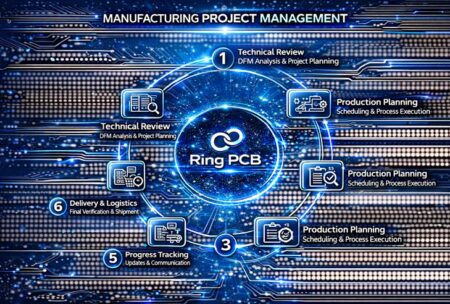
- Define your requirements. Share schematics, Gerber files, the bill of materials (BOM), layer count, operating temperature range, and expected order volume.
- Review engineering feasibility. Ask the manufacturer to assess PCB stack-up, component availability, thermal performance, signal integrity, and design-for-manufacturing considerations.
- Confirm quality and testing plans. Establish applicable standards, inspection coverage, traceability requirements, and any project-specific reliability tests.
- Validate the prototype. Review electrical performance, assembly quality, and functional test results before authorizing volume production.
- Approve production and delivery. Confirm the final quotation, component substitutions, packaging, documentation, and delivery schedule.
Ring PCB offers one-stop services covering PCB fabrication, component sourcing, SMT and through-hole assembly, testing, and quality control. This integrated approach can simplify supplier coordination and provide a clearer manufacturing workflow.
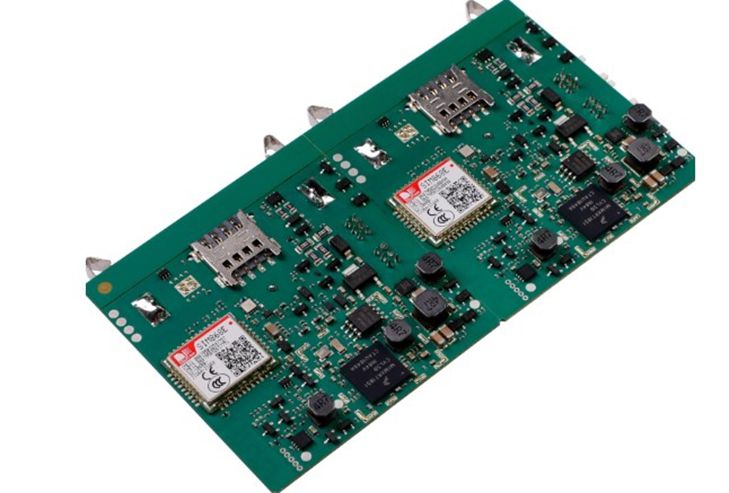
Where Is Automotive PCBA Used?
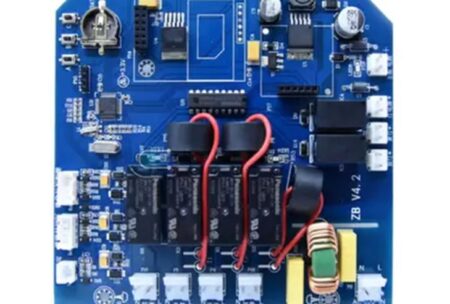
A reliable automotive PCB assembly supports a broad range of electronic systems, including:
- Engine control units (ECUs): Process sensor inputs and support engine or powertrain control.
- Battery management systems (BMS): Monitor battery conditions and support battery protection in electric vehicles.
- Advanced driver assistance systems (ADAS): Support electronic modules used in driver assistance functions.
- Automotive sensors: Process signals from radar, pressure, temperature, and other sensing devices.
- Safety and body electronics: Support applications such as anti-lock braking systems, airbag control, and body control modules.
- Infotainment and lighting: Manage electronic functions in navigation, displays, and vehicle lighting.
- EV charging and power electronics: Support electronic control and power conversion applications.
Each application has different electrical, thermal, and reliability requirements. Your design team should define the applicable validation plan before selecting materials and assembly processes.
Why Choose Ring PCB as Your PCB Manufacturer?
Ring PCB combines PCB fabrication and assembly capabilities within a manufacturing operation established in Shenzhen in 2008. Its approximately 10,000-square-meter facility and 500-person workforce support a range of PCB and PCBA projects.
Key service advantages include:
- Integrated manufacturing: PCB fabrication, component sourcing, assembly, inspection, and testing through one supplier.
- Rapid prototyping: Prototype services with lead times as short as three days for qualifying projects.
- Multilayer capability: Manufacturing support for complex multilayer PCB designs, with company-stated capability of up to 62 layers across its broader product range.
- Quality management: Listed certifications include IATF 16949, ISO 9001, ISO 14001, ISO 13485, and UL.
- Global project support: Experience serving customers in more than 50 countries, with sales and engineering support for international projects.
These capabilities allow buyers to evaluate one supplier for both bare-board manufacturing and assembled electronic products. Actual lead times, production capacity, certification applicability, and technical feasibility should be confirmed for each order.
FAQ
1. How do you choose an automotive PCB manufacturer?
Compare relevant quality certifications, engineering support, material options, inspection capabilities, traceability, prototype lead times, and experience with similar automotive applications. Request documentation and a project-specific quotation before making a decision.
2. How quickly can Ring PCB produce automotive PCBA prototypes?
Ring PCB lists prototype lead times as short as three days for qualifying projects. Actual timing depends on board complexity, component availability, tooling, testing requirements, and order specifications.
3. Can Ring PCB provide complete turnkey automotive PCB assembly?
Yes. Ring PCB offers integrated services covering PCB fabrication, component sourcing, SMT and through-hole assembly, testing, and quality control. Confirm the BOM, testing scope, applicable automotive requirements, and delivery schedule with its team.
Conclusion
Selecting the right PCB Manufacturer helps you manage engineering complexity, production quality, and supply chain coordination for automotive electronics. Ring PCB offers automotive PCBA manufacturing, multilayer PCB capabilities, rapid prototyping, and full-turnkey assembly services backed by an established manufacturing operation and listed quality certifications. Evaluate these capabilities against your design requirements, qualification plan, and production targets before committing to a supplier.
Request a Custom Automotive PCBA Quote
Contact Ring PCB to discuss your Gerber files, BOM, technical specifications, testing requirements, and production volume. Request an engineering review and project-specific quotation to determine the most suitable manufacturing solution for your automotive electronics.